
 Gaby
Gaby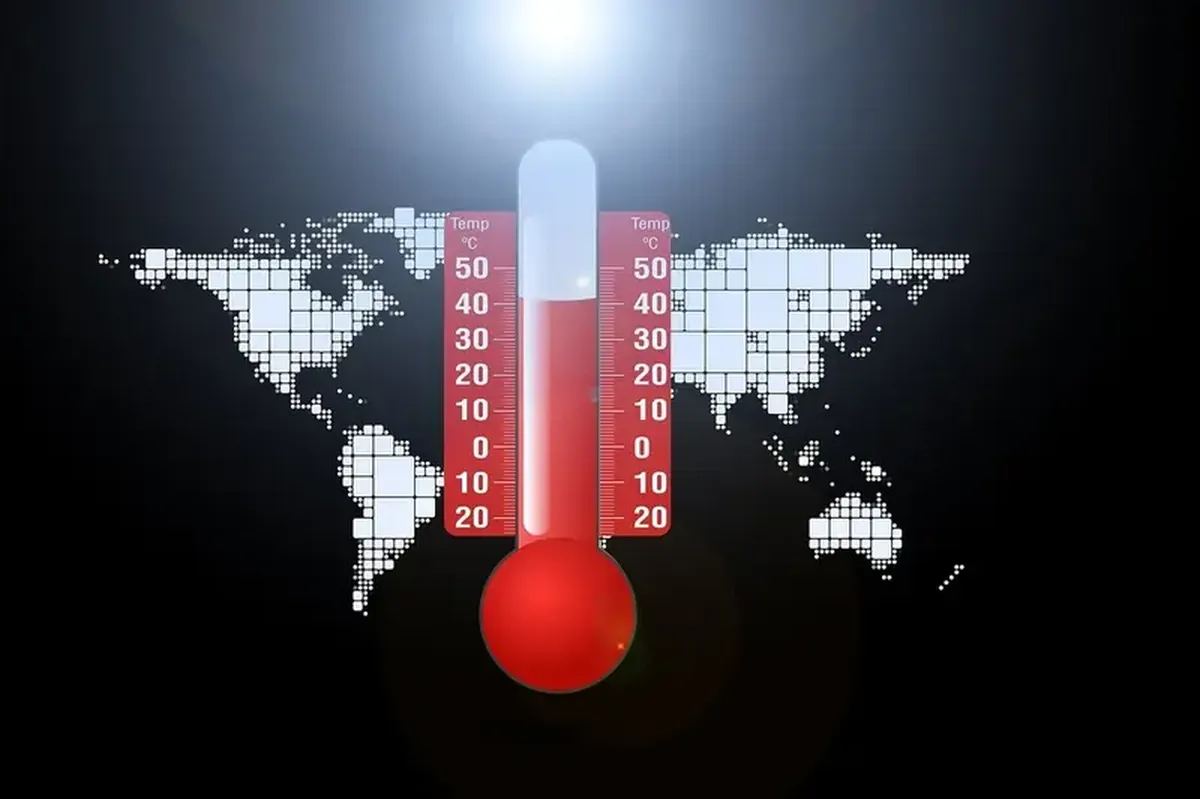
In a June report, more than 60 climate scientists warned that if carbon dioxide (CO2) emissions stay at current levels, humanity could cross the 1.5 °C warming threshold within three years. Can we reverse the temperature rise, or is catastrophe inevitable?
Experts told Live Science that once we reduce greenhouse gas emissions, temperatures can gradually fall again — even if we temporarily surpass the threshold.
Michael Mann, a climate scientist at the University of Pennsylvania, says it’s far better to cut emissions now than to try to reverse the warming later.
The report says that to meet the 1.5 °C target set by the Paris Agreement, humanity can emit only 143 billion tons of CO2. At current emissions rates, that’s not much: the World Meteorological Organization says we emit about 46 billion tons of CO2 each year.
The report says global temperatures are about 1.2 °C above the preindustrial average. But emissions have caused even more warming that’s been hidden because the ocean has absorbed much of the excess heat.
The National Oceanic and Atmospheric Administration (NOAA) says the ocean will release that stored heat over the coming decades through evaporation and direct heat exchange, regardless of future emissions.
That means even if CO2 emissions dropped to zero today, global temperatures would keep rising for several decades. Experts predict an additional 0.5 °C of warming mainly from ocean heat release.
Why 1.5 °C?
But why do scientists consider 1.5 °C critical? A larger temperature increase is dangerous for the planet, especially for island nations, says Kirsten Zickfeld, a professor of climatology at Simon Fraser University in Canada.
She calls the 1.5 °C threshold an “indicator of the state of the climate system at which we still feel we can control the consequences.”
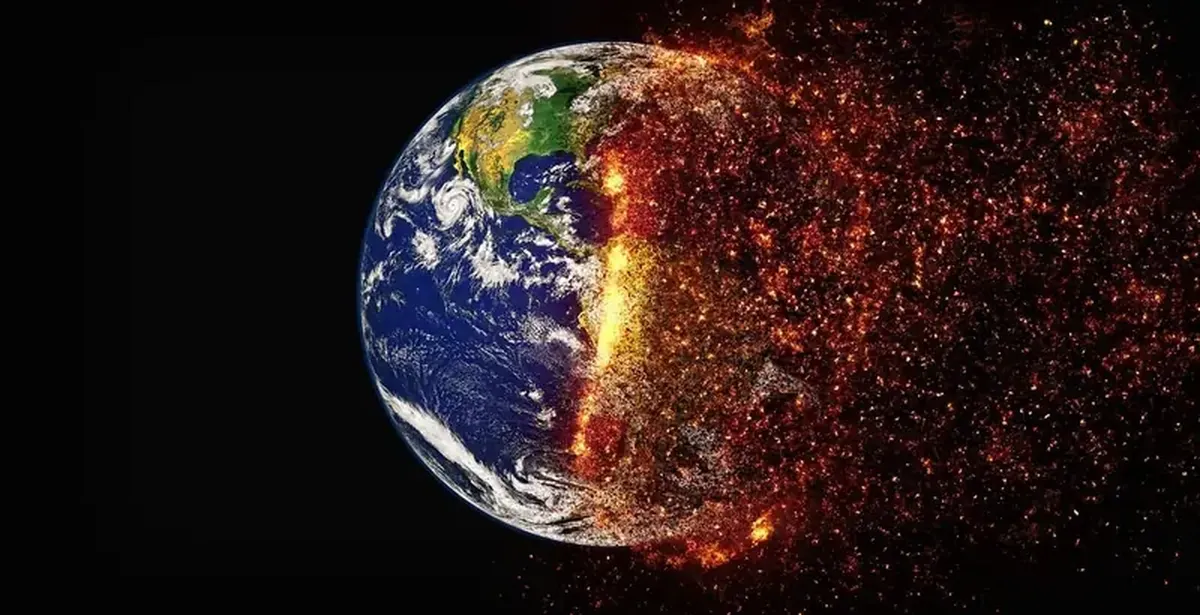
If temperatures exceed 1.5 °C, a massive amount of additional heat will be absorbed by the ocean and eventually released. Crossing this threshold raises the risk of hitting climate tipping points—parts of the Earth system that can rapidly shift to a different state. For example, the Greenland ice sheet could collapse into the ocean, and the Amazon rainforest could transform into a dry savanna.
All Hope Rests on Revolutionary Technologies and Our Awareness
Zickfeld says that to slow warming we need more than zero emissions — we need negative emissions. Zero emissions means capturing as much CO2 with natural sinks and technology as we emit. Negative emissions require systems that pull carbon from the air and store it underground.
“To reverse warming, we must remove more carbon from the atmosphere than we emit,” Zickfeld said.
“If we reach 1.6 °C and want to bring it down to 1.5 °C, we will need to remove about 220 billion metric tons of carbon dioxide,” she added.
Today, natural carbon removal methods like tree planting absorb about 2.2 billion tons of CO2 each year. That would have to grow by about 100 times to lower the threshold by even 0.1 °C per year.
Zickfeld doesn’t see large-scale reforestation as a viable primary solution. With rising demand for land, it’s unlikely we could plant enough forests to reverse global warming.
Most greenhouse-gas removal technologies are still in testing, so their effectiveness is uncertain, she said.
Robin Lamboll, a climate researcher at Imperial College London and a co-author of the report, says these technologies are expensive and will likely remain costly for a long time.
The Paris Agreement doesn’t require countries to deploy emissions-removal technologies. But Lamboll says its goal—to keep warming well below 2 °C—could push governments to scale up those technologies if temperatures pass 1.5 °C.

