
 Carlos Solis
For many people, appearance, especially hair, signals youth, attractiveness, and how they think others see them.
Why hair matters so much
Fabio Zuckelli says this comes from our need to belong. From an evolutionary point of view, people have an innate drive to be part of a social group, so departures from the perceived “norm”, like thinning hair, can feel like exclusion.
“Many ideas about how we should look are socially constructed — they aren’t innate. What counts as attractive changes from generation to generation,” Zuckelli says.
History shows that baldness was admired in some eras and cultures. Today, though, people often link hair to youth and social status, and markets for treatments and transplants keep expanding.
Five ways to cope with hair loss
1. Focus on function, not just appearance
Try shifting your attention from how your body looks to what it does. Skin protects against infection and helps regulate temperature; hair also plays a role in thermoregulation and in wicking away sweat. Recognizing a body part’s biological role can help you move toward acceptance.
Zuckelli emphasizes that strengthening a healthy body image can reduce the distress tied to hair loss. One evidence-based method uses short writing exercises that prompt people to think about what their bodies can do, not only how they look.
The goal isn’t forced self-love. Aim for a neutral attitude toward your appearance — acceptance instead of constant pressure to adore every detail.
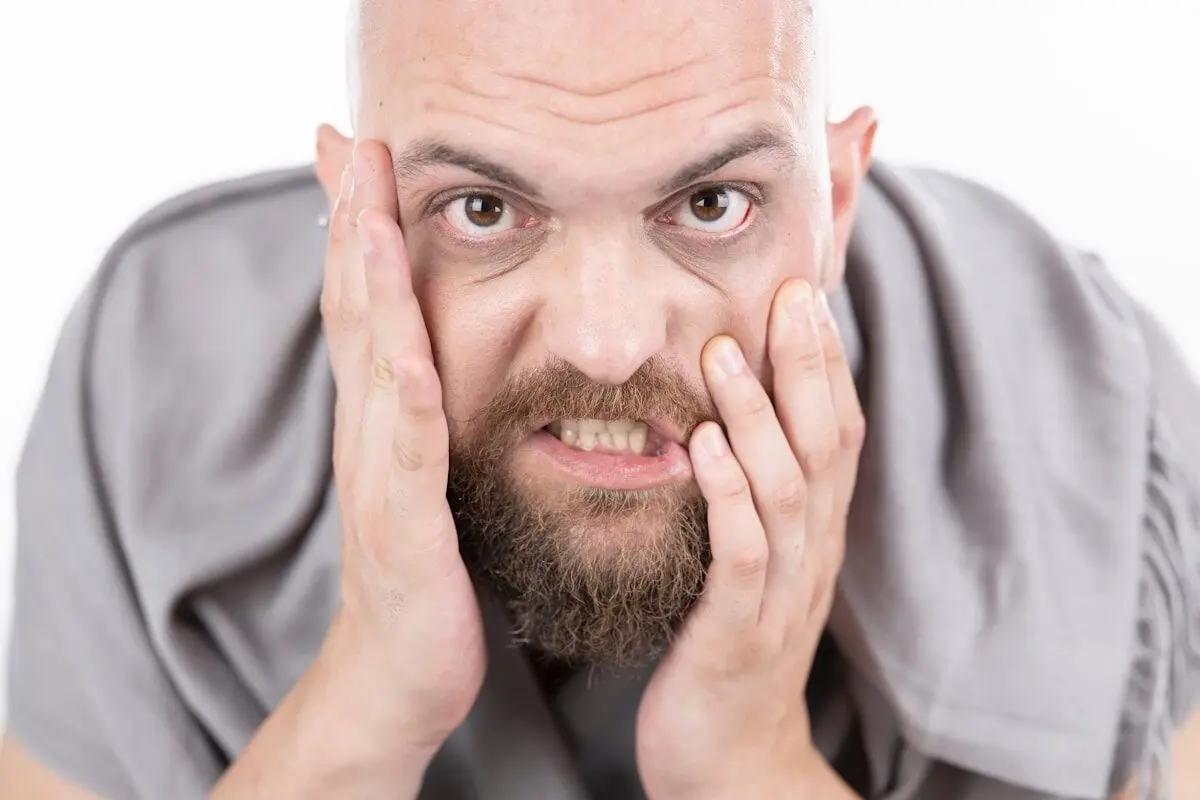
2. Build your media literacy
A lot of how we think about hair comes from outside us — ads, algorithms, celebrity photos, family conversations. Zuckelli urges people to look critically at what they consume: “Recognize how much your ideas about hair depend on outside influences.”
Glen Jankowski, an associate professor of social and medical psychology at University College Dublin, points out that the hair-loss treatment industry has huge financial interests. Many pieces that look like neutral information are actually promoting products or services.
If ads or algorithmic suggestions follow you after one search, change your ad settings in social apps or your browser to reduce repeat exposure.
Media literacy works like a shield: it gives you distance and lets you ask, “Why am I feeling this anxiety, and who profits from it?”
3. Find people who are going through the same thing
Hair loss can feel dramatic and lonely, but it’s very common. Androgenetic alopecia (male- or female-pattern baldness) affects about 50% of men by age 50 and nearly 50% of women by age 70.
Other causes include alopecia areata (patchy autoimmune hair loss), scarring alopecia (inflammation that destroys follicles and causes permanent loss), and chemotherapy-related shedding. That means far more people experience hair loss than casual observation suggests.
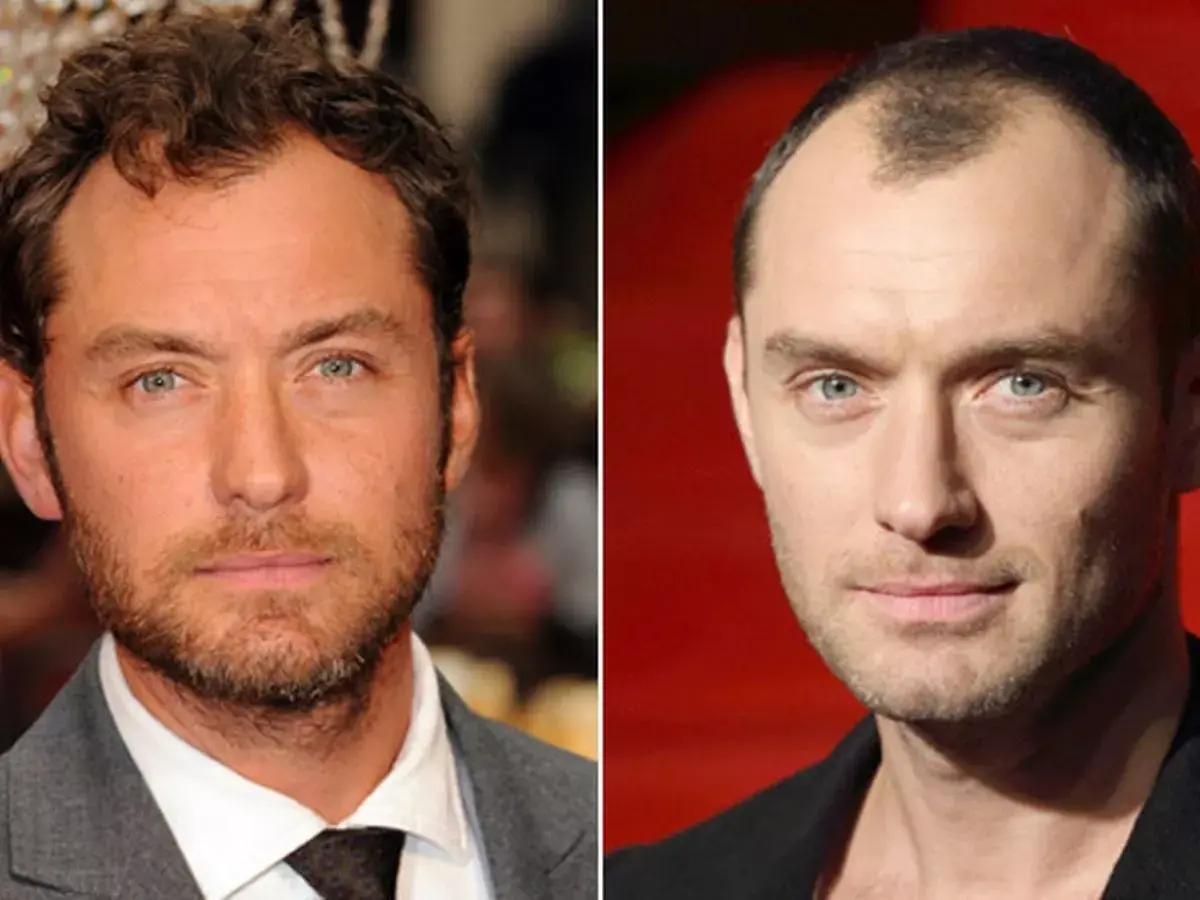
Jankowski calls many affected men “hidden”: “When you start looking, you find them everywhere — from well-known political leaders to close relatives.” Public figures such as Dwayne “The Rock” Johnson or Jude Law provide familiar examples.
4. Get professional help when you need it
Sometimes personal efforts and support aren’t enough, and hair loss starts to harm your mental health. In those cases, talk with a clinician who can help you process emotions and develop practical coping strategies.
Zuckelli highlights Acceptance and Commitment Therapy (ACT) as a useful approach. ACT trains people to accept difficult thoughts and feelings without harsh self-judgment and to act according to their values. The key skill is separating thoughts from facts — for example, the thought “baldness will make me unattractive” is just a thought, not an unavoidable truth.
5. Give yourself time
Hair loss can feel like a form of loss, so grief and upset are normal reactions. Zuckelli stresses: “You may need some time to get used to the changes — that’s completely normal.”
For many people, the most painful phase is the change itself; once the change settles, the new reflection in the mirror usually becomes familiar with time. As Jankowski points out, many older men who are content will tell you that losing hair often turns out to be an ordinary life event.
Hair loss isn’t a sentence or a sign of inferiority. You can pursue medical treatments, or you can focus on acceptance and adaptation. Working on bodily function, practicing media literacy, finding supportive communities, seeing a therapist if needed, and giving yourself patience — these five practical tools can help you regain comfort and confidence.
Based on BBC Science Focus
