

Hair thinning and loss have many causes: aging, illness, hormonal changes, and genetics — and sometimes an unsuitable shampoo.
A Trichologist on Hair Loss
According to the American Academy of Dermatology, losing 50 to 100 hairs a day is considered normal — this doesn’t usually lead to noticeable thinning. However, if hair loss becomes heavier or is accompanied by symptoms like itching or scalp redness, consult a doctor to find the exact cause and treatment. You can read more about causes and treatment in related articles.
Excessive hair loss falls under the expertise of a trichologist — a specialist who diagnoses, treats, and prevents hair and scalp disorders, working at the crossroads of dermatology, endocrinology, and cosmetology. Trichologists often call your hair the “crown on your head” because intense hair loss can signal internal health problems and also reflect how you care for your hair.
Trichologists separate internal causes of hair loss (from a weak immune system, sudden weight changes, and hormonal imbalances to medication use and infections) from external causes (like an unhealthy lifestyle, poor diet, and improper hair care). Chronic and acute stress can significantly worsen hair loss by affecting the immune system and hair follicles — read more about this in related articles.
So if there are no other obvious causes, experts recommend switching hair-care products, since some shampoos contain harmful ingredients.
Internal Factors of Hair Loss:
- Genetics (the most common hereditary cause is androgenetic alopecia, or male and female pattern baldness).
- Hormonal disorders (menopause, polycystic ovary syndrome, pregnancy and postpartum changes, and thyroid disease).
- Diseases (scalp fungal infections, certain chronic internal illnesses, and autoimmune diseases such as lupus and scleroderma).

External Factors:
- Chronic stress
- Lack of sleep
- Rapid weight loss
- Nutritional deficiencies — low levels of vitamins A, B, D, biotin, zinc, iron (anemia)
- Severe infections
- Surgical procedures
- Chemotherapy
- Side effects of certain medications
- Thermal or chemical damage to hair (excessive heat styling, harsh coloring, or harmful ingredients in cosmetics)
External factors also include mechanical stress, such as tightly styled hairstyles that cause hair loss from chronic tension. Read more in the HouseWife article on healthy styling.
The right hair-care products help hair stay healthy and shiny; the wrong ones can leave it greasy or dry, dull, brittle, and weak. That’s why it’s important to know how to wash your hair properly and which ingredients to avoid in shampoos.
How to Identify a Dangerous Shampoo
Harmful ingredients in cheap shampoos often include aggressive sulfates, silicones, and parabens, which can dry out and irritate the scalp, clog follicles, and trigger allergic reactions. Can a shampoo cause hair loss if it contains these substances? Yes. Many people have experienced increased shedding after switching to a cheaper, harsher shampoo.
Which Shampoo Ingredients Are Harmful to Hair:
- Sulfates (SLS/SLES) — aggressive foaming agents that strip natural oils, dry out the scalp, make hair brittle, and cause irritation.
- Silicones (dimethicone) — add shine and smoothness but can build up, clog pores, and hinder nutrient delivery to the follicles.
- Preservatives and fragrances — parabens in cosmetics prevent microbial growth and extend shelf life, but they can irritate the scalp and trigger follicle inflammation in people with sensitivities (an allergy to shampoo is an individual intolerance to specific components).
The safety of these ingredients is debated. Trichologists point out that sulfates (sodium lauryl sulfate appears in many shampoos and conditioners) and parabens (esters of para-hydroxybenzoic acid) can jeopardize scalp health and may have wider effects on the body with prolonged use, potentially affecting hormonal balance.
Research has shown that some of these components can mimic estrogens and have been found in breast tissue samples, although a direct link to cancer hasn’t been established. Studies have also noted potential harms during early development: researchers found an association between parabens in cosmetics and higher weight in children born to pregnant women exposed to them.

How to Choose a Shampoo and Prevent Hair Loss
First, look for shampoos that are free of sulfates, silicones, and parabens. Check the ingredient list and avoid components that end in -paraben: ethylparaben, methylparaben, butylparaben, propylparaben. The European Union allows parabens at concentrations up to 0.4% for a single paraben or 0.8% for a mixture.
Instead, opt for plant-based alternatives and products containing biotin (vitamin B7), saw palmetto extract, and natural oils like peppermint and rosemary, which can help strengthen hair. Saw palmetto — an extract from the berries of Serenoa repens — may block production of the hormone dihydrotestosterone, which helps reduce hair loss and slow pattern baldness.
Biotin is often linked to thinning and brittle hair. Vitamin B7 is found in foods such as milk and broccoli and plays a role in maintaining hair thickness and strength as hair ages. Biotin in topical products may help support scalp circulation and hair growth.
Signs of a Low-Quality Shampoo:
- Tightness, dryness, and itching of the scalp after washing
- Unruly, dull, brittle hair that quickly becomes greasy
- A noticeable chemical smell
- Excessive foaming (often indicating aggressive sulfates in the product)
- Insufficient foaming
- Rapid color fading in dyed hair
Choose gentle shampoos with natural ingredients that do not strip moisture from the scalp and hair. Good natural shampoos remove impurities, strengthen hair structure, improve scalp condition, and add volume. For extra nourishment and hydration, use masks, conditioners, oils, or serums that contain vitamins and plant extracts.

Safe Hair Care
Trichologists recommend using professional care products from reputable or niche brands and sticking to products from the same line for comprehensive care: manufacturers usually offer products for cleansing, protection, hydration, nourishment, growth stimulation, and preventing hair loss. Hair care after 50 should focus on gentle, natural shampoos and avoiding products that irritate or strip the scalp.
To stimulate growth, some topical products and supplements claim to “awaken” follicles. There are also comprehensive oral supplements packaged for internal use that combine ingredients to support growth and strengthen hair from within. Protect hair from external damage with sprays that offer heat protection.
The foundation of safe hair care is consistency (use products several times a week or daily, following the instructions) and a combined approach (pair external care like washing and conditioning with internal support such as supplements). Avoid very hot water and minimize heat styling, which can damage hair.
Cleanse colored hair with nourishing shampoos and always follow with a conditioner to lock in moisture and preserve color. Severely damaged hair may benefit from protein conditioners with amino acids that help rebuild the structure, conditioners with cationic surfactants (such as behentrimonium), and penetrating oils and moisturizers. Hair care includes preventing loss and maintaining the overall condition of the strands, including color — read more in related coverage.
For scalps prone to dandruff and dermatitis, products containing oils and dimethicone are often recommended because they don’t cling to damaged hair. Use therapeutic medicated shampoos for dandruff and dermatitis 1–2 times a week for up to two months if symptoms like itching, flaking, and redness persist — these conditions are often linked to a weakened local immune response.
Hair care has five basic steps: washing, combing, drying, applying protective products, and styling. Washing comes first: hair attracts dust and dirt, and the oily film on hair can become a breeding ground for microbes, so remove buildup regularly. To avoid unwanted effects, choose a shampoo that matches your scalp and hair type.
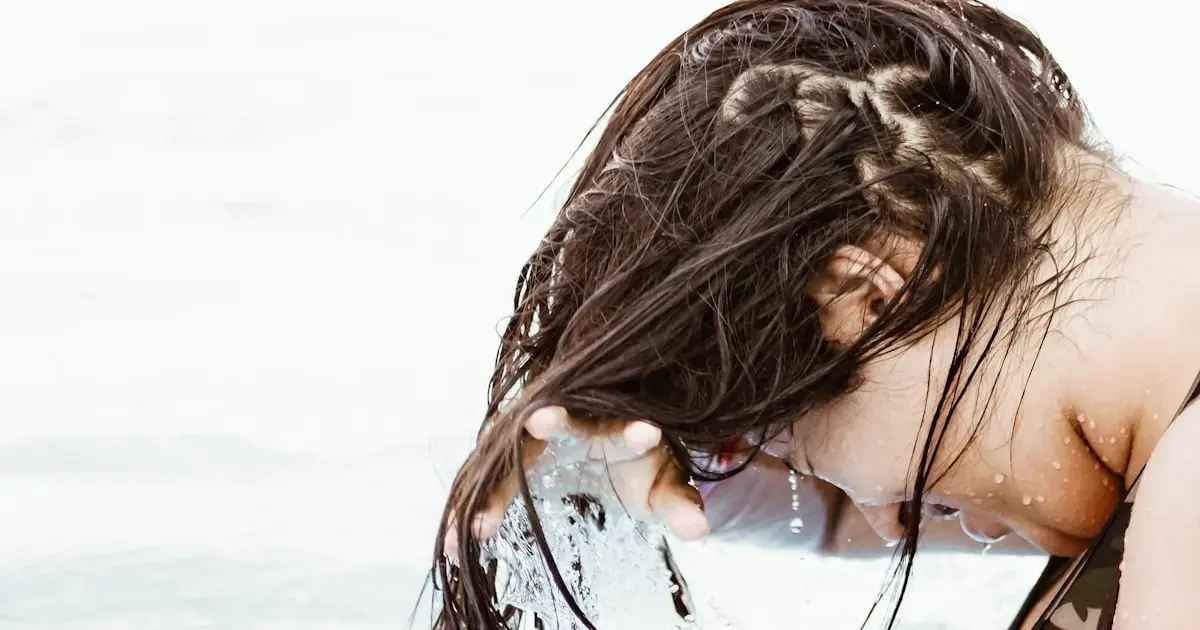
How to Wash Your Hair Properly
The condition of your hair depends on proper washing. A common cause of hair loss after washing is improper shampoo use: applying shampoo directly to the scalp in large amounts, excessive rubbing, and using hot water.
Wash hair with warm water. Apply shampoo to your palm, lather it, and massage only the scalp. Apply conditioners and balms along the length of the hair, avoiding the roots.
The frequency of washing depends on your skin type and how much sebum your sebaceous glands produce. For normal hair that becomes oily 2–3 days after washing and doesn’t lose volume on day one, use a gentle natural shampoo and a compatible conditioner.
If hair stays clean for more than 3–5 days after washing, classify it as dry. Treat dry hair gently with nourishing, moisturizing shampoos and conditioners that contain coconut, shea, ylang-ylang, or avocado oils.
For oily hair that becomes greasy the day after washing, use shampoos with clay or charcoal to help control sebum production.
For combination hair (oily at the roots and dry at the ends), use a balancing shampoo and apply a conditioner or oil to the dry ends. Problematic hair with damaged structure requires therapeutic masks and specialized conditioners with herbal extracts, natural oils, amino acids, hyaluronic acid, keratin, and provitamin B5.
Keep towels and combs clean. Keep your comb as a personal item. Clean combs regularly of hair and sebum and disinfect them periodically. Before washing, comb hair and wet it thoroughly with warm water. Apply shampoo to the scalp, massage for two minutes, then comb through the hair without rinsing the foam.
Use a wide-tooth comb for wet hair and follow the massage lines: from the base of the neck to the crown, then from the ears along the direction of hair growth. Rinse shampoo thoroughly with plenty of warm water. After shampooing, apply conditioner, oil, or serum along the length of the hair, distribute with a comb, and then rinse to remove excess product.

Professional Tips
People used to think washing hair too often made it produce more oil. Modern cleansing products usually don’t have that effect. Trichologists recommend washing as needed — anywhere from once a week to two or three times a week. If you use styling products, you will need to wash more often.
Colored, damaged, dry, coarse, and curly hair types are especially at risk from frequent washing. When choosing a shampoo, aim for a balance between scalp health and hair freshness: alternate a mild natural shampoo every two weeks with more frequent co-washing (washing with conditioner) every three days if needed.
Experts warn that letting hair stay damp for too long can be as harmful as using heat. Prolonged dampness causes hair to swell and weakens the structure — hair can absorb up to 30% of its weight in moisture — so slow drying increases the risk of damage and can contribute to seborrheic dermatitis.
Research links the Malassezia fungus, which causes dandruff, to going to bed with wet hair. Trichologists advise against sleeping with wet hair: keep both hair and pillow clean and dry because fungi thrive in warmth and moisture. Modern hair dryers and straighteners used with heat-protection products are considered safer options by specialists.
Hair and hairstyles have carried aesthetic and social meaning for centuries — they can signal status, age, and lifestyle. To learn how curls, waves, bangs, and wigs evolved through different eras, read more in related features.
Frequently Asked Questions about Hair Loss and Shampoos

Can shampoo cause hair loss?
Yes. Harmful components — sulfates, silicones, and parabens — can dry out the scalp, clog follicles, and trigger allergies, leading to weaker hair and shedding.
Which shampoo components are the most harmful?
The most problematic ingredients are sulfates (SLS/SLES), which dry out the scalp; silicones, which can build up and clog pores; and parabens (ingredients ending in -paraben), which can irritate the scalp and may affect hormonal balance.
How to identify a dangerous shampoo?
Watch for itching or tightness after washing, quick greasiness, dull brittle hair, a strong chemical smell, or excessive foaming. Check the ingredient list and avoid components ending in -paraben.
How to choose a safe shampoo?
Choose products free of sulfates, silicones, and parabens. Look for natural ingredients like biotin (vitamin B7), saw palmetto extract, and oils such as peppermint and rosemary.
How to wash your hair properly?
Use warm water. Apply shampoo with massaging movements to the scalp and apply conditioner along the hair length. Wash 1–3 times a week, and rinse products thoroughly.
How many hairs is it normal to lose?
Losing 50–100 hairs a day is normal. If you lose more than that or notice itching and redness, consult a trichologist.
