
 Carlos Solis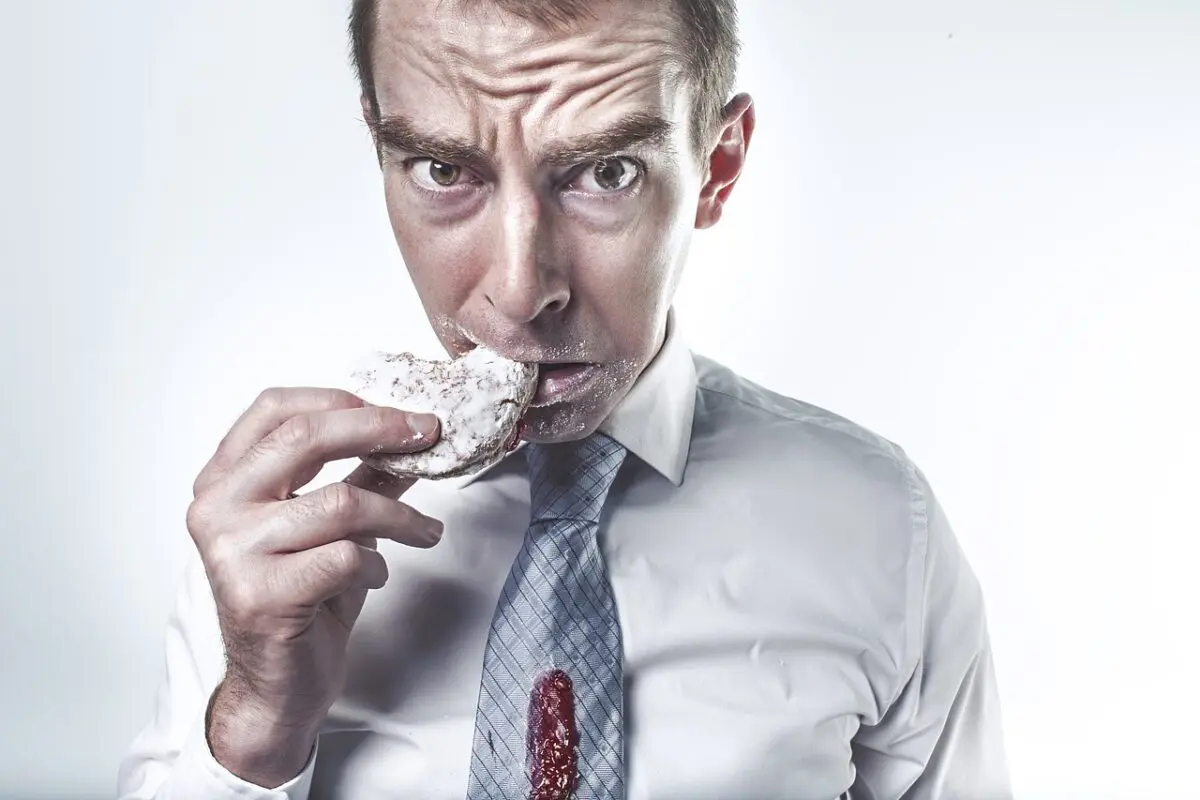
Modern life has erased the habit of sitting down to eat, and parents’ reminders to sit while you eat can feel outdated. But is eating while standing actually harmful?
Why gravity matters for digestion
For optimal digestion, it’s better to work with gravity than against it. The key is to eat while upright; the worst thing you can do is eat while lying down or lie down immediately after a meal.
“A very common way to trigger heartburn is to eat and then lie down immediately,” says Dr. Carolyn Newberry, a gastroenterologist and associate professor of medicine at Weill Cornell Medical College. “When the stomach releases gastric acid and digestion occurs, food and the acidic environment can reflux back up if you don’t use gravity to help them move down properly.”
Generally, food moves from the stomach into the intestines in about two hours or longer, so eating right before bed is not recommended.
Standing vs. sitting: does it matter?
Given gravity, eating while standing might not be any worse than eating while sitting. But the main problem isn’t standing itself — it’s that people usually eat standing up because they’re in a hurry. And that hurry is what causes trouble.
Why rushing meals causes problems
Eating quickly can cause bloating, stomach upset, and overeating. Rushing leads to swallowing extra air unintentionally and not chewing your food enough, which stresses the digestive system.
“Digestion begins in the mouth,” explains Dr. Newberry. “Even salivary enzymes already break down some macronutrients.”
Also, the brain’s satiety signals arrive with a delay — roughly 20 minutes after you start eating. If you eat quickly, you might not notice when you’re full and end up overeating.
Tips for when you have to eat quickly
- Take smaller bites and chew your food thoroughly.
- Have smaller, more frequent protein-rich snacks.
- Pause during your meal to check whether you’re really hungry.
Moving after a meal matters too
Sudden changes in body position during or immediately after eating can cause dizziness because of shifts in blood flow and hormonal changes. Moving while you eat — for example, eating on the go when you’re walking or running — is generally not recommended: it not only increases the risk of choking but also recreates the risks associated with rushing.
Blood flow needs to go to the digestive tract during digestion; diverting blood to muscles makes the process harder. So a gentle walk after a meal is helpful, but intense exercise should wait: about 30 minutes after a light snack and roughly two hours after a large meal.
“‘Rest-and-digest’ is a parasympathetic response,” says Dr. Newberry. “It’s the opposite of adrenaline. Different hormones are released, the body relaxes, blood can flow to the intestines, and normal digestion and metabolism occur.”
So eating while standing isn’t a disaster by itself, as long as you eat slowly, chew your food well, and don’t lie down right after a meal. The most important thing is to give digestion time and not make eating something you do on the run.
