
 Carlos Solis
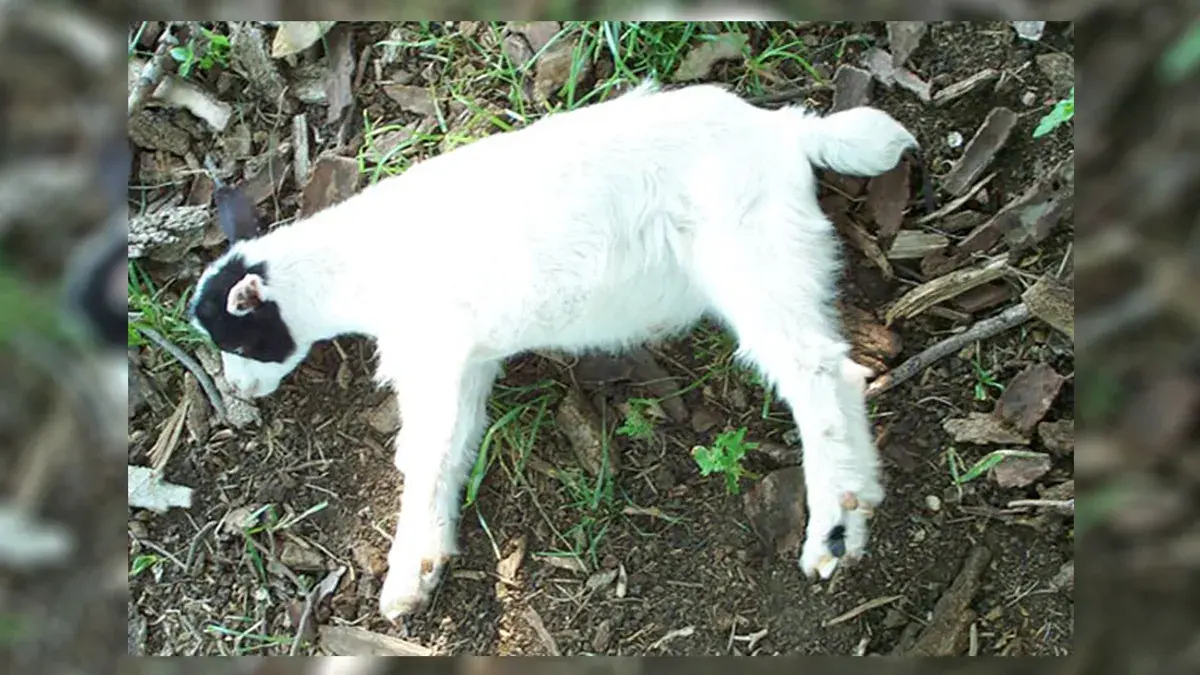
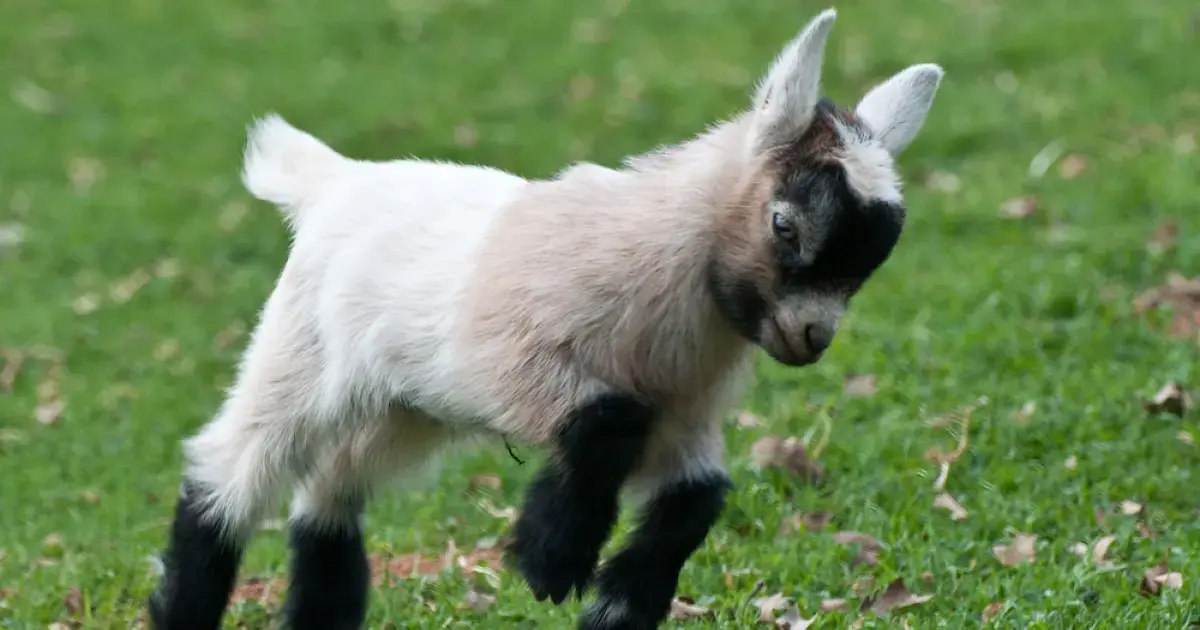 If you suddenly spot a goat that has stiffened and fallen on its side, don’t jump to conclusions. It’s likely not dead; instead, it has reacted in an unusual way to intense stress, such as fear.
This behavior is typical of myotonic goats, also known as Tennessee fainting goats or wooden-leg goats.
These animals are characterized by a genetic condition called myotonia. This neuromuscular disorder causes a startled goat’s muscles to temporarily freeze. Congenital myotonia doesn’t cause loss of consciousness. In these cases, the goat’s muscles contract and tense up for about 5 to 20 seconds.
When any other goat that does not suffer from myotonia senses a threat, its nervous system sends a signal to the muscles, which tense momentarily and then relax, allowing the animal to flee. However, in Tennessee fainting goats, the muscles remain tense for a significantly longer period, causing them to freeze and typically fall over. Instead of the ‘fight or flight’ response, they activate a different one: ‘fight, flee, or fall.’
When did the world learn about these goats?
This rare myotonic breed was first described in the 1880s by a farmer in Tennessee who acquired four goats prone to fainting. He bred them, establishing the breed, according to IFLScience.
Unlike mountain goats, myotonic goats are known for their poor climbing abilities, making them easier to manage.
Today, there are between 3,000 and 5,000 myotonic goats in the United States. They are typically raised for meat, but recently they have increasingly been bred for tourist entertainment. Their unusual behavior has made them a popular attraction. The breeding of these goats is monitored and regulated by breed organizations such as the International Myotonic Goat Association and the Myotonic Goat Registry.
Although these goats may look quite alarming when they suddenly fall, fainting does not harm them at all. It passes quickly, and the animals return to normal.
Photo: Openverse
