
 Carlos Solis
Exercise does wonders for the human body. An international team led by researchers at the University of Iowa found that after a single 20-minute session of easy to moderate cycling, people show positive changes in brain activity linked to memory.
They explained that sharp-wave activity starts with synchronized neuron firing in the hippocampus — the region that converts short-term memories into long-term ones. Those signals then spread across the cortex and into some subcortical areas.
Most knowledge about these events comes from animal studies and from recordings in people with implanted electrodes.
Measuring rapid changes in brain activity immediately after exercise is harder. Researchers usually do that with neuroimaging, which only indirectly shows how exercise improves brain function — for example, by revealing increases in oxygen-rich blood.
Now they’ve produced what they call the “first direct evidence” of hippocampal pulsations in the human brain after physical activity. The researchers had a rare chance to record neuronal activity inside the human brain after exercise, Michelle Voss, the study’s lead author, said.
“Using direct recordings of brain activity, our study shows in humans for the first time that even a single bout of exercise can rapidly change the neural rhythms and brain networks involved in cognition,” she said.
How researchers measured brain activity after exercise
The team recorded brain activity from 14 epilepsy patients aged 17 to 50. Clinicians implanted the electrodes “exclusively for clinical reasons determined by a team of epileptologists and neurosurgeons,” the authors wrote in Brain Communications.
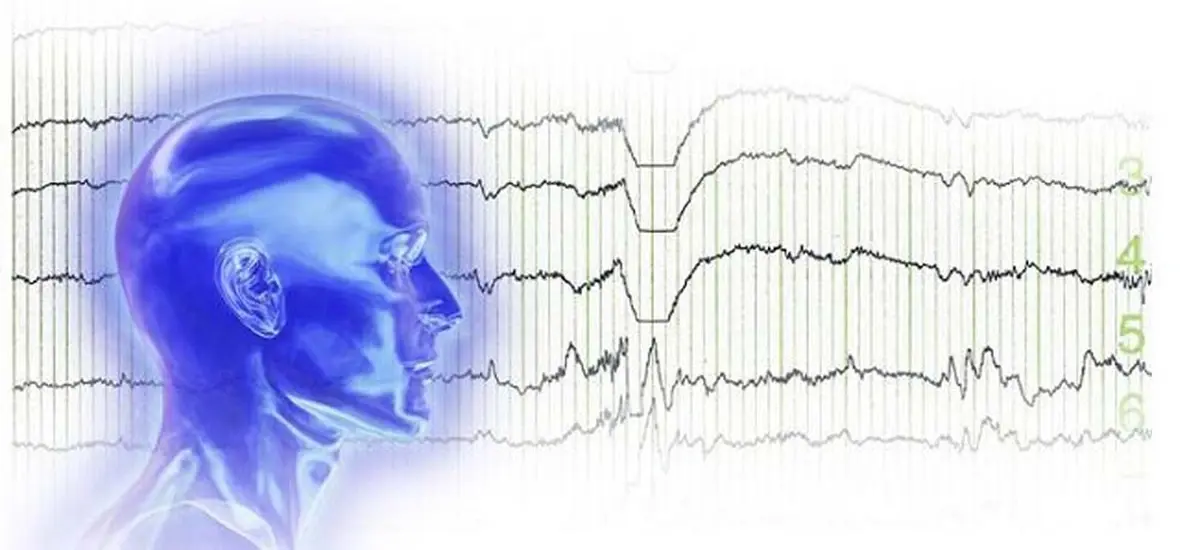
All participants had drug-resistant epilepsy and were undergoing pre-surgical evaluation. The implanted electrodes allowed the researchers to record intracranial electroencephalography (iEEG) data, which can clarify brain phenomena such as hippocampal pulsations.
After a short warm-up, participants pedaled on a stationary bike for 20 minutes at a pace they could sustain for the entire session. The iEEG recorded brain activity before and after the session, revealing how exercise altered brain function.
Exercise sped up hippocampal pulsations and strengthened the link between those pulsations and activity in other regions, including the limbic system and the brain’s default mode network (DMN).
Those changes appeared after a single session of light or moderate exercise, confirming results from earlier neuroimaging studies.
The researchers also found a link between higher exercise intensity — measured by heart rate during the session — and stronger pulsation dynamics in specific neural networks, such as the DMN, during rest after exercise.
Although the sample was small, the study gave researchers a rare window into human brain activity after exercise.
“The post-exercise changes we observed largely match what has been seen in healthy adults using noninvasive neuroimaging,” Michelle Voss said.
