
 Carlos Solis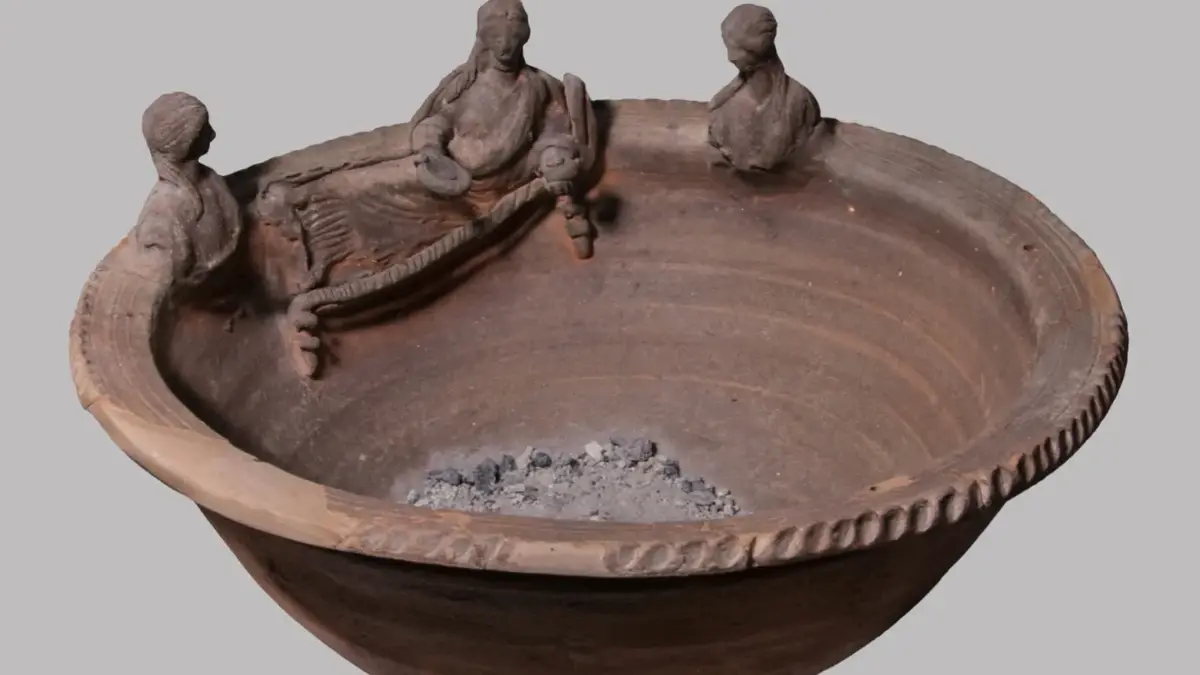
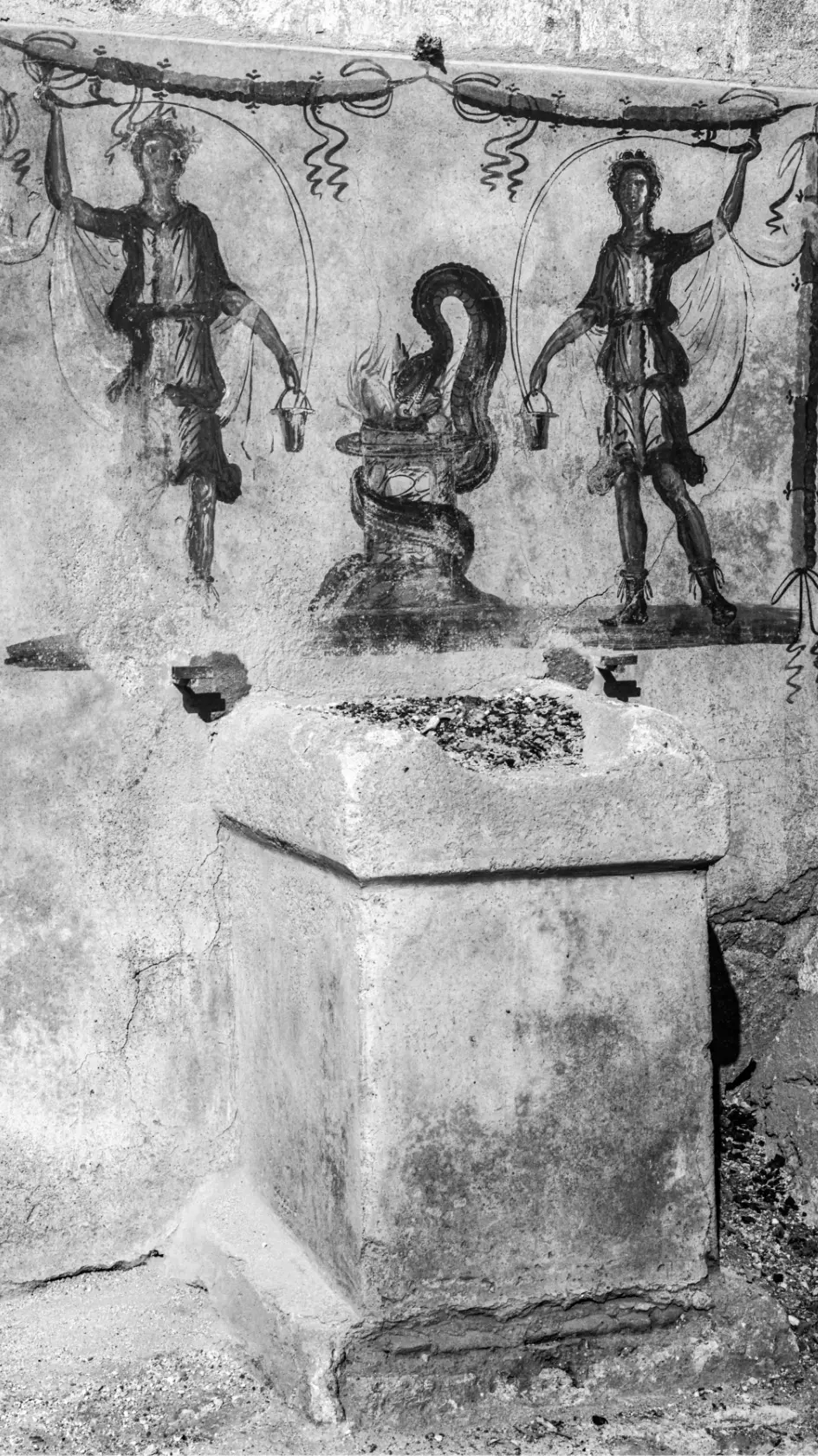
In AD 79, the eruption buried Pompeii under ash and pumice, preserving the city’s final moments for later generations. The plaster casts of the victims draw the most attention, but the volcanic deposits also preserved other domestic details: for example, the ash from incense burners used for offerings to household deities.
The first scientific study of Pompeian incense-burner contents
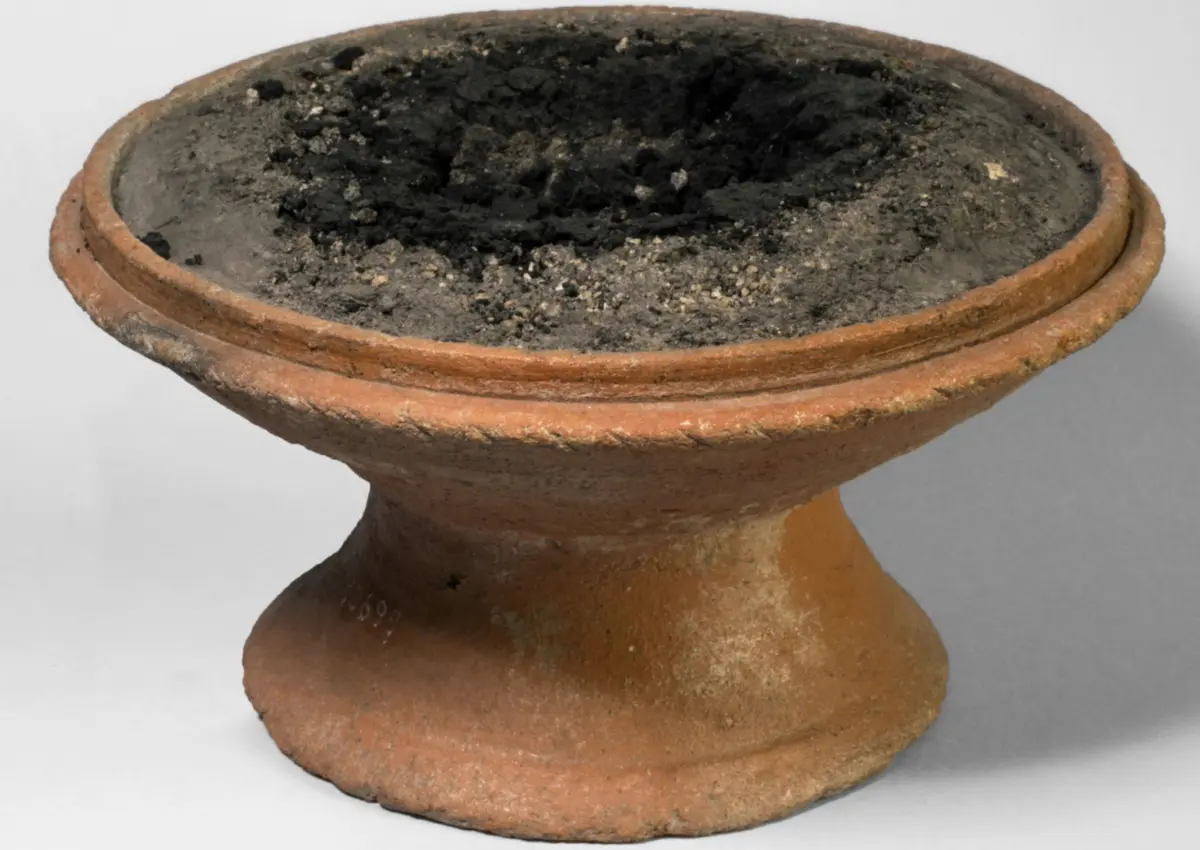
In an article in the journal Antiquity, scientists analyzed ash residues from two terracotta incense burners found in Pompeii and from one burner at a neighboring villa. The researchers searched not just for traces of local plants but also for the chemical signatures of substances burned in those vessels.
“Now we can precisely identify the scents used in Pompeian household cults,” said Johannes Eber, the study’s lead author and an archaeologist at the University of Zurich. “Beyond regional plants, we found traces of imported resins — evidence of Pompeii’s far-reaching trade networks.”
The findings included traces of tree resin that likely originated in tropical parts of Africa or Asia. That indicates Pompeii participated in a broad international trade network through which not only goods but also ritual materials reached the city.
Not just resins — they even found wine
In addition to resins, molecular analyses detected a grape-derived product in one of the incense burners. As Maxime Rajo, a biomolecular archaeologist at the University of Bonn, explains, that aligns with Roman images and texts that show wine being used in rituals.
“That confirms the use of wine in rites as depicted in Roman sources,” added Rajo, “and shows why it’s important to combine archaeological work with scientific analyses.”
Why this matters
- This is the first scientific study of the contents of Pompeian-style incense burners and reconstructs the material side of domestic religious practices.
- The identified imported resins point to long-distance trade links, and the traces of a wine product confirm the ritual customs described in historical sources.
- The results complement a new permanent exhibition in the Pompeii Archaeological Park, which displays many organic remains — from wooden objects to food and plant residues.
We can’t literally “taste” the smell of a Pompeian house yet, but studies like this are gradually reconstructing the city’s environment and daily life — from visible objects to the invisible scents that once filled its rooms, Popular Science reports.
