
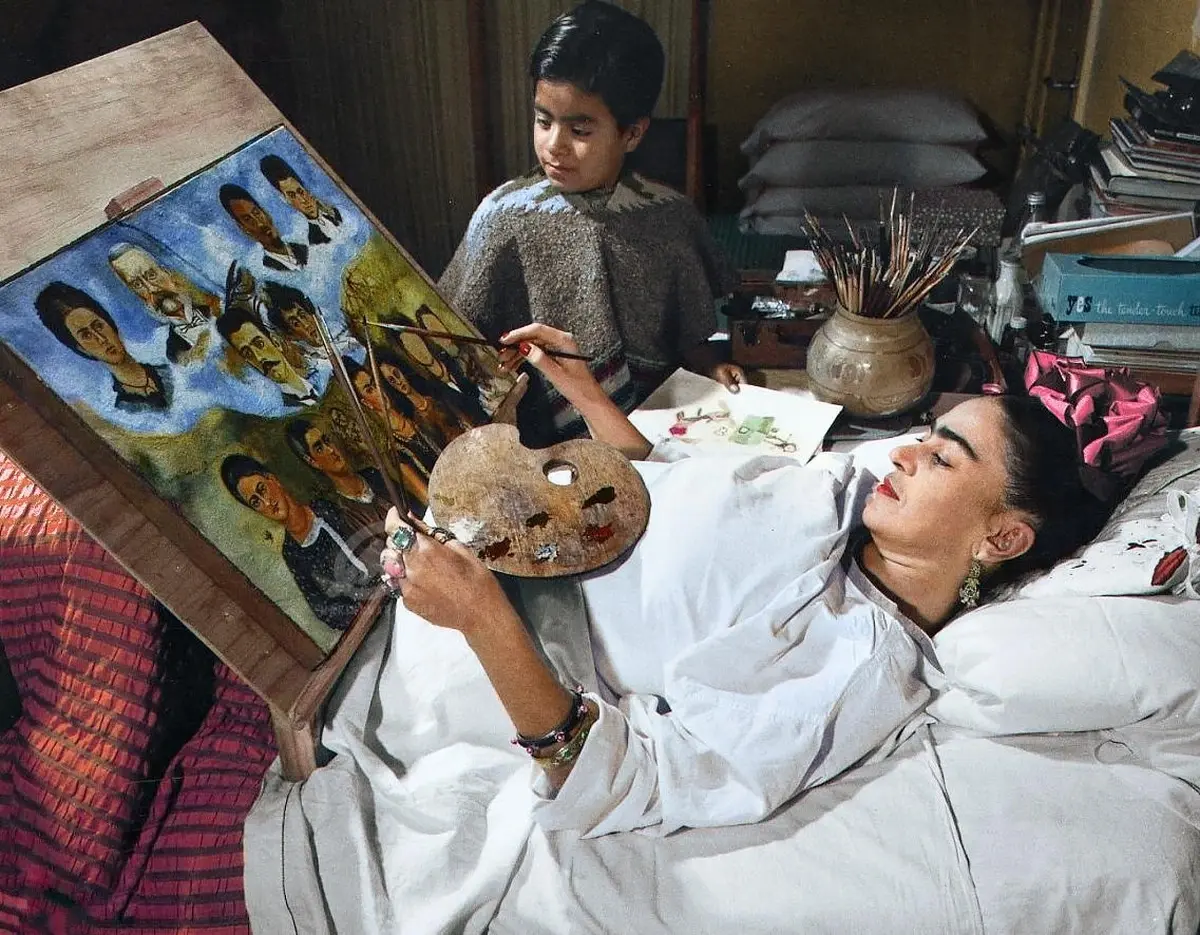
The image of the suffering artist has existed for as long as art itself. But is the link between creativity and pain just a metaphor — the same one at the center of Pedro Almodóvar’s film Pain and Glory — or does that link have a scientific basis?
Lead author Radwa Khalil, a neuroscientist at Konstrachter University (Germany), and her colleagues at the University of Zurich (Switzerland), the University of Oslo (Norway), and the University of Bordeaux (France) argue that creativity and pain share neurological mechanisms.
The team published their paper, “Pain as a Muse: How Creative Acts Flourish in the Shadow of Struggle,” in Neuroscience & Biobehavioral Reviews (via Science Direct). In it they propose a framework aimed at a holistic understanding of creative self-expression and its links to pain.
“The same mechanisms that fuel our creativity — from generating new ideas to shifting how we think — also play a role in how we perceive and regulate pain,” Radwa Khalil said.
The researchers reviewed numerous studies that connected creative self-expression with reductions in pain. That evidence suggests holistic therapeutic approaches that integrate creativity into pain management are possible and deserve further study.
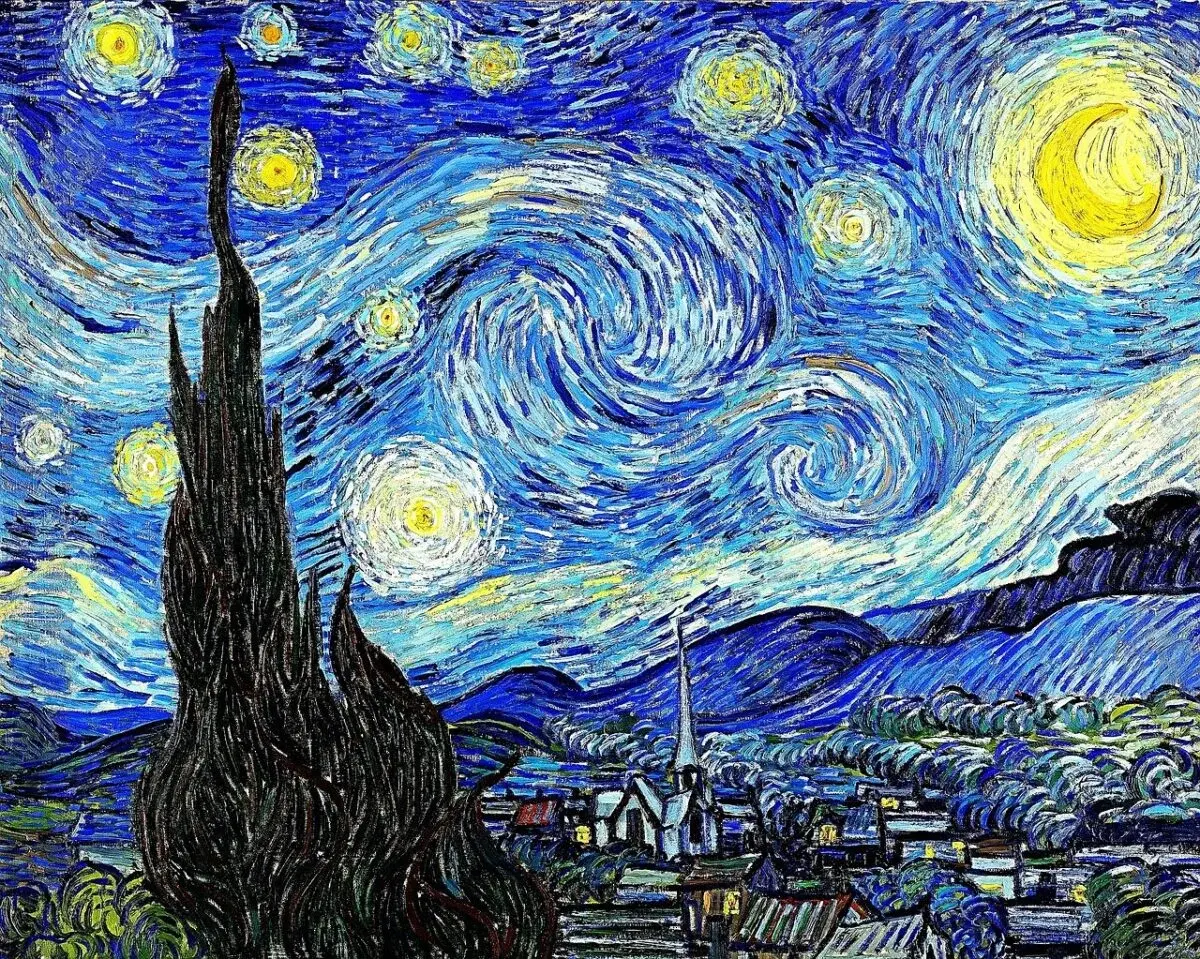
What the researchers found
The authors emphasized that creativity and pain are not isolated experiences. Creativity and pain use the same neural systems, which are involved in:
- attention control
- emotion processing
- cognitive control.
The scientists identified several key brain regions and networks that link pain experiences and the creative act:
- Cognitive control and attention. Mechanisms that help us shift attention, generate new ideas, and search for unconventional solutions also play a direct role in how the brain perceives, evaluates, and regulates pain signals.
- The limbic system (the emotional brain). Pain signals inevitably pass through the limbic system, converting a physical sensation into negative emotions. That system supplies the “emotional fuel” for creative self-expression.
- The default mode network (DMN). This network activates during mind-wandering, daydreaming, and idea generation. Under chronic pain, the DMN’s function is often disrupted, making it harder for the brain to disengage from a pain-focused state.
When pain becomes inspiration
“Pain typically disrupts cognitive functions and narrows our attention. But when people deliberately redirect their attention through creative engagement, they activate alternative neural pathways that modulate pain perception. That process not only distracts from pain but also activates reward systems in the brain, helping to shift attitudes toward suffering,” Dr. Khalil explained.
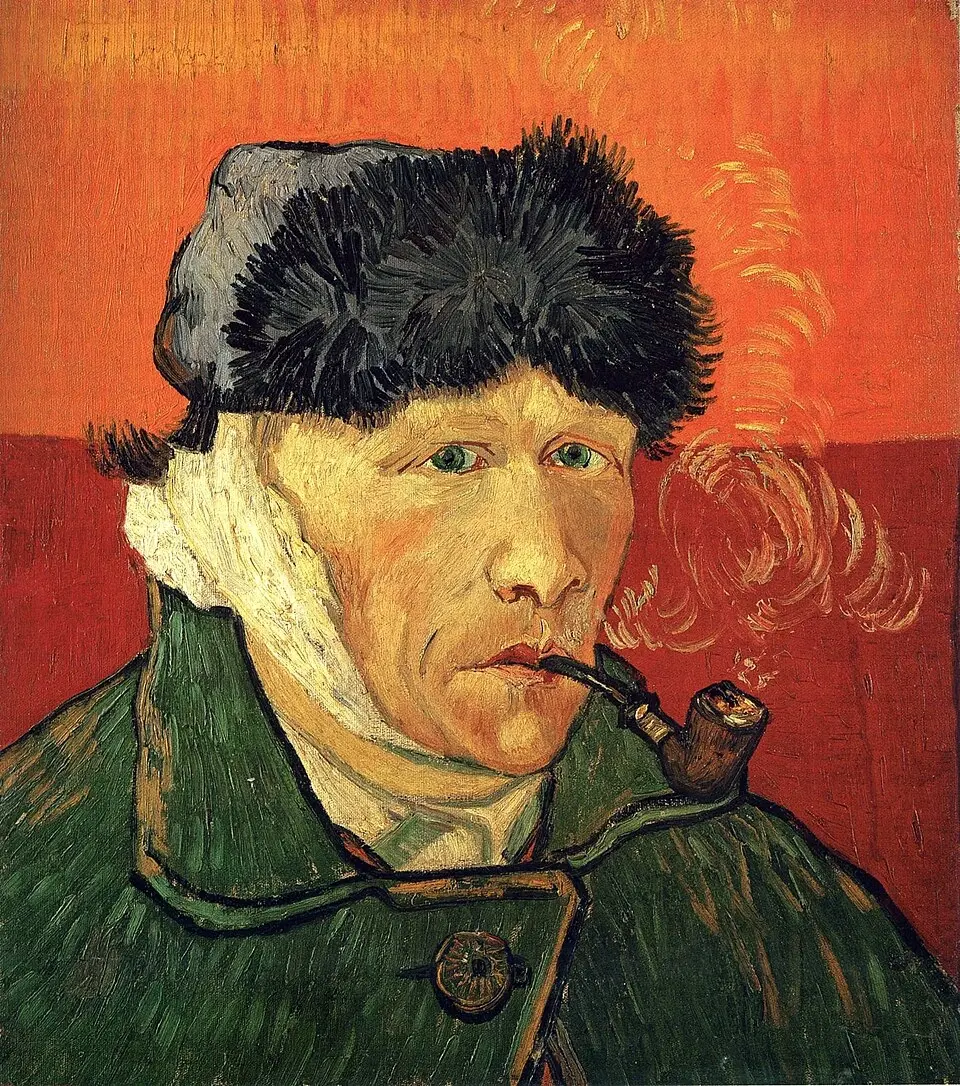
“Self-Portrait with Bandaged Ear and Pipe” — painting by Vincent van Gogh.
Pain becomes a muse when unbearable experiences are transformed into art. Pain often needs an outlet through creative work, becoming a powerful catalyst for masterpieces.
So, pain can very much be a muse because:
- Expressing pain on canvas or in a musical score reduces internal tension.
- Suffering strips away masks, and the resulting work often feels deeper and more honest.
- By sharing their suffering, artists seek empathy from others.
You can see this pattern in famous cultural examples:
- Deafness and isolation didn’t stop some composers; those challenges pushed them toward groundbreaking works.
- Severe mental crises were transformed by artists into intensely emotional and vivid paintings.
- Physical and emotional pain fueled piercing images on some artists’ canvases.
Khalil’s team also pointed out a research imbalance in studies of art and pain, according to Medical Xpress. For example, about 65 times more studies focus on pain than on creativity, and only a small number of scientists investigate the connection between the two.
