
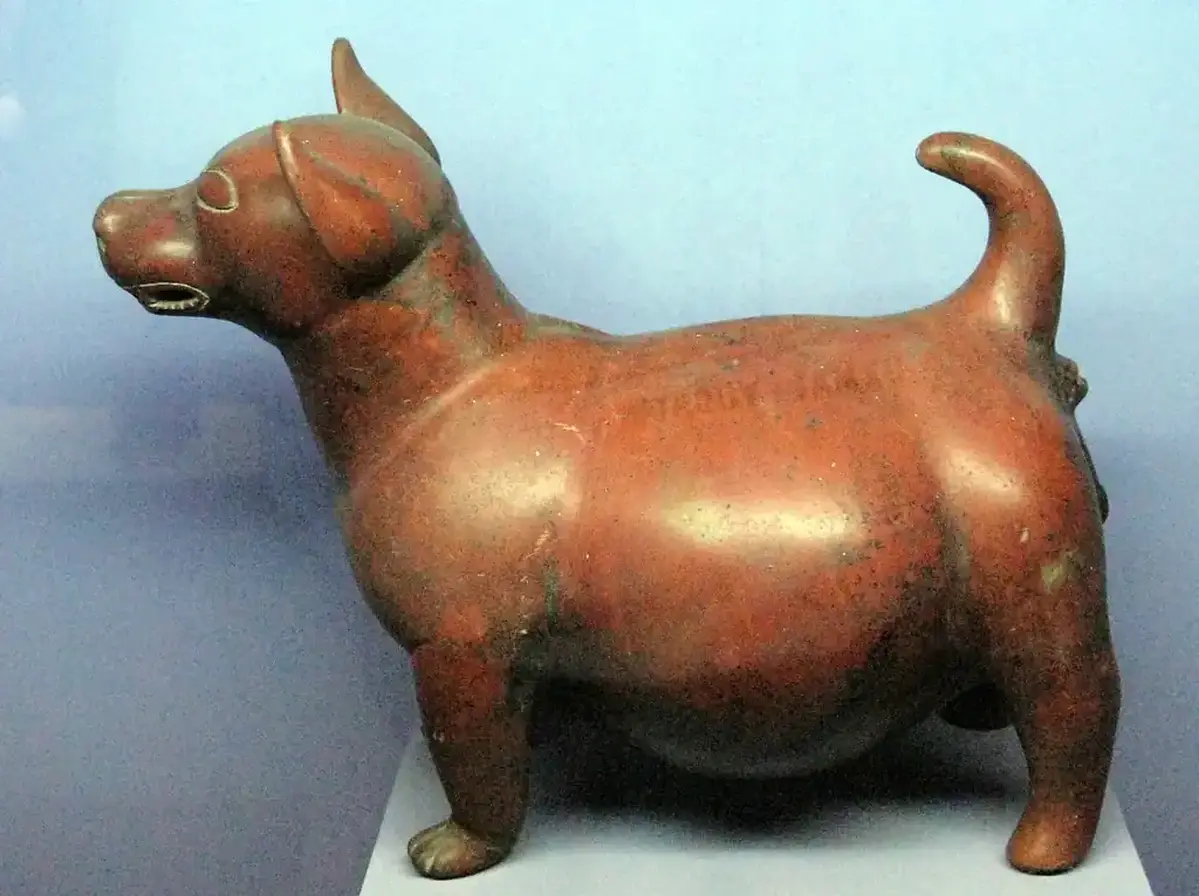
 Archaeologists long ago established that the Maya economy relied on trade in jade, obsidian, and pottery. A new study adds a “living” layer to that picture: dogs were part of an organized interregional exchange network around 400–800 CE.
An international team of archaeologists analyzed the chemical signatures recorded in animal teeth. As Chris Stantis, an associate professor of anthropology at Southern Illinois University Carbondale, explains, “When an animal eats and drinks, specific chemical elements become incorporated into its body. Tooth enamel is especially useful because it forms early in life and doesn’t remodel the way bone does.”
The team studied animal bones from two hilltop settlements in the Chiapas highlands — Moxviquil and Tenam Puente.
By comparing the animals’ isotopic signatures with a local baseline, the researchers could identify who was local and who was an outsider. Deer bones from middens looked local — hunters were catching deer in the surrounding forests. The dogs, however, turned out to be nonlocal.
Where did the Maya dogs come from
All four dogs from Tenam Puente had chemical signatures indicating origins in the lowland Maya kingdoms hundreds of miles away — likely from areas around present-day Calakmul or Becan, deep in the jungle.
The overall distance between the lowlands and the highlands was roughly 640 km, which implies complex logistics — live animals needed food, water, and protection during long journeys.
To learn about their diets, the researchers analyzed carbon and nitrogen isotope ratios in the bones. The result: the dogs weren’t eating scraps or animal waste. They were fed high-protein, maize-rich food. That diet points to deliberate, targeted feeding.
Companions, gifts, sacrifices — and food
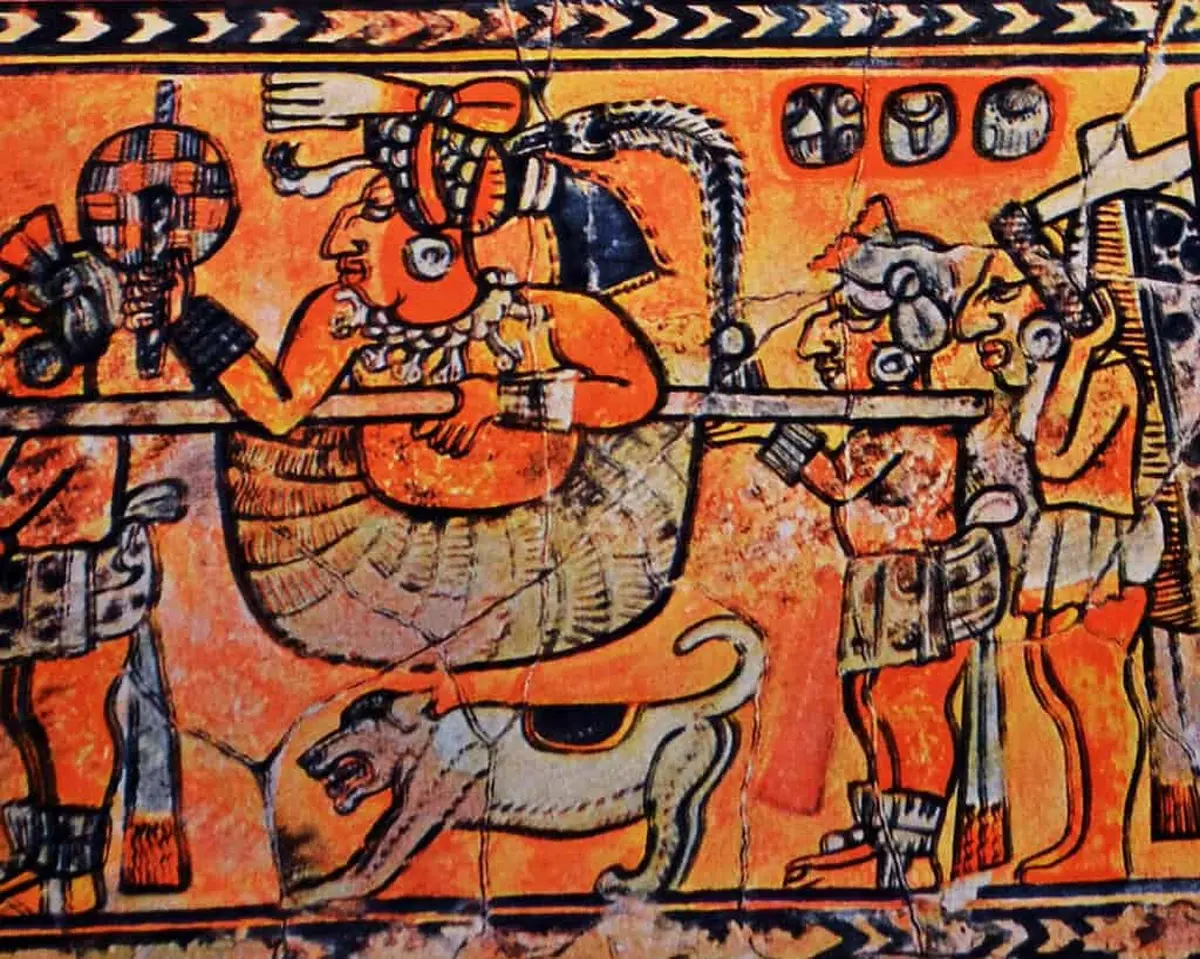
Why did they go to such lengths to transport and breed these animals? Unlike inanimate goods, live animals filled several social roles at once. Ancient images show Maya rulers in hammocks with small dogs beneath them, suggesting a status role or gifts — symbols of alliances and respect.
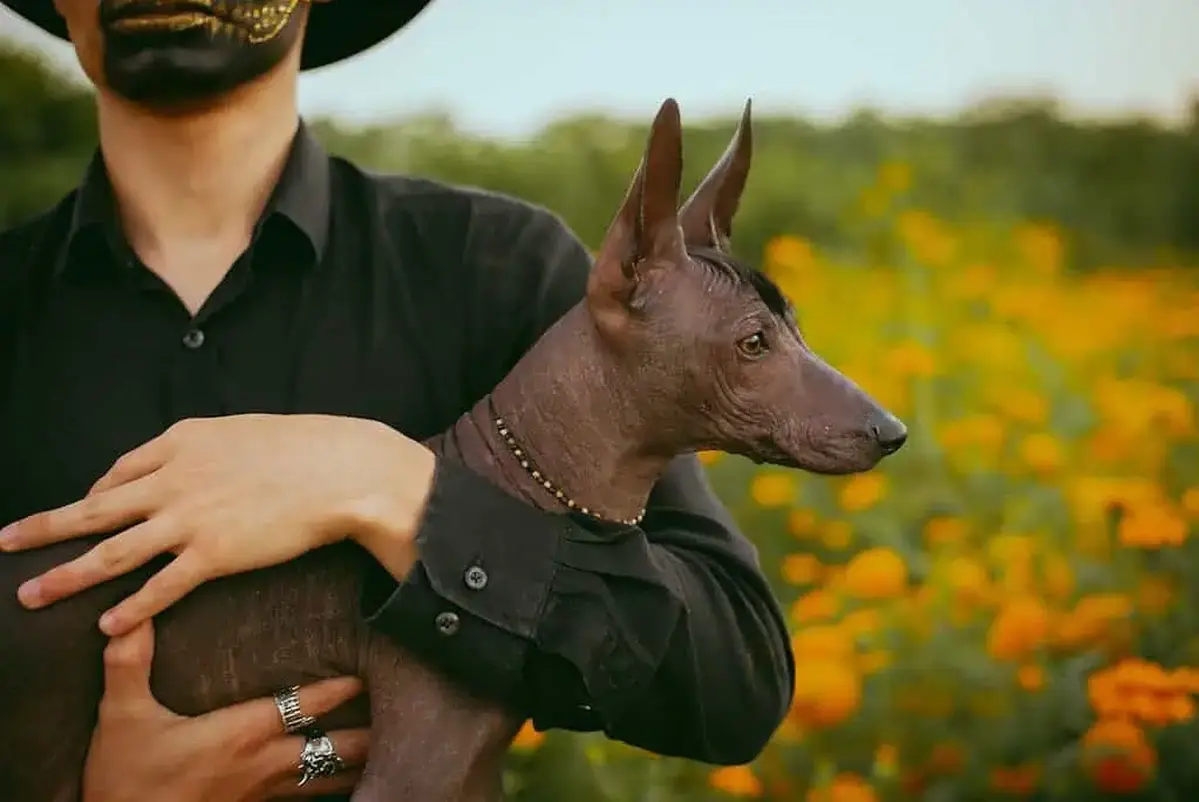
The team also observed some physical traits: several individuals had unusual-looking teeth, a genetic mutation often seen in hairless breeds. That suggests the Maya may have traded ancestors of the xoloitzcuintli, the Mexican hairless dog.
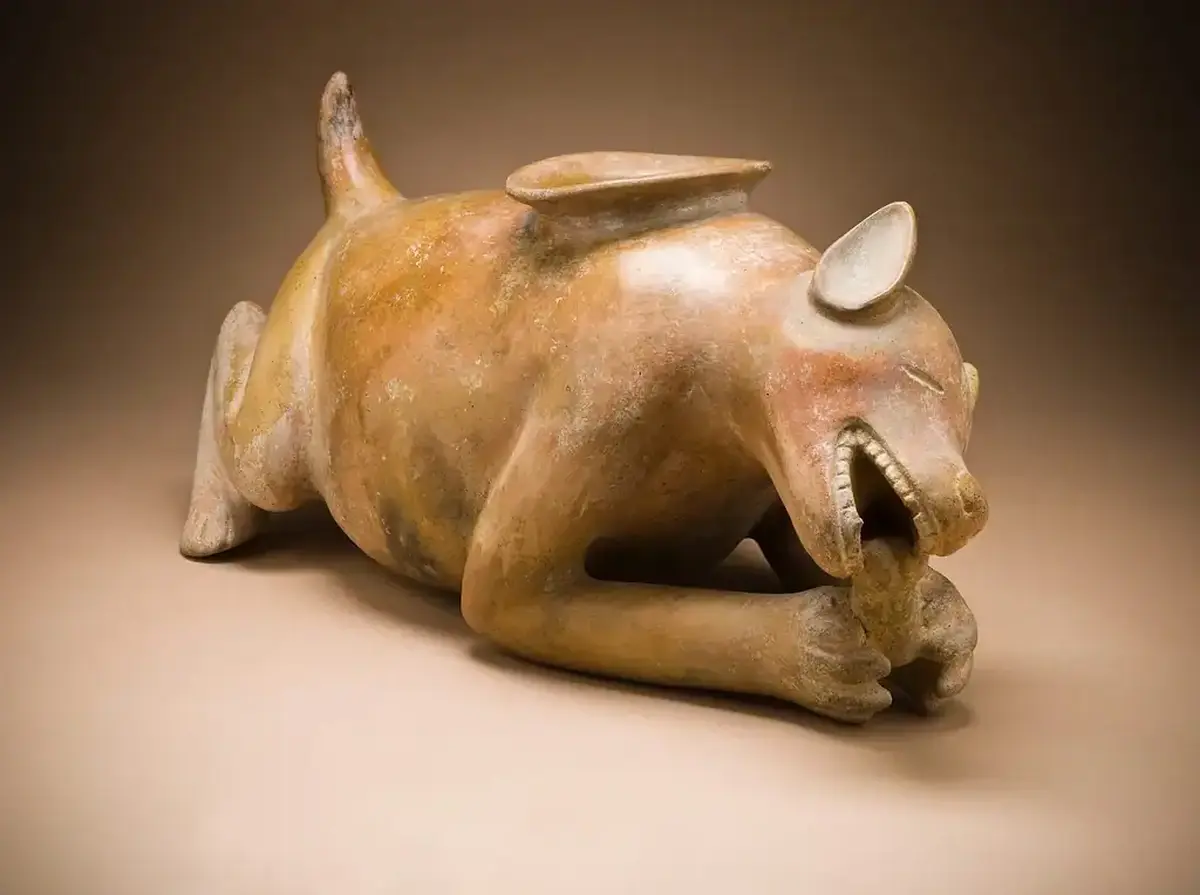
But dogs also served a practical role — they were food. Many bones show characteristic butchery and processing marks. The researchers found breeders raised some animals specifically for food, similar to small pigs: most of the dogs they examined died between one and two years of age.
Beyond the dinner table, dogs were also used in sacrifices. For example, archaeologists have found pits containing sacrificed dogs at the city of Kaminaljuyu — burials near a drying lake that were likely offerings to the gods for water.
Today we think of dogs as family members. The ancient Maya valued their animals too, but in a different way: sometimes the animals were companions to rulers, sometimes a source of food, and sometimes offerings to the gods.
This report is based on material from ZME Science
