
 Carlos Solis
Why Breakfast Is the Best Time
If you want to add more fiber to your diet, the easiest place to start is breakfast. People call breakfast the most important meal of the day for a reason: what we eat in the morning sets the tone for the rest of the day.
Studies show that your breakfast choices influence what you eat at lunch, dinner, and snacks. For example, an Australian study found that adults who ate a fiber-rich breakfast were more likely to choose healthier, fiber-rich foods throughout the day compared with people who skipped breakfast or ate low-fiber options.
“A balanced breakfast makes healthy choices easier throughout the day,” says Dr. Emily Liming of King’s College London. Fiber differs from other nutrients because we don’t digest it directly: it passes through the digestive tract and feeds the microbes in the large intestine.
Fiber also bulks up food, slows its exit from the stomach, stretches the stomach walls, and boosts feelings of fullness. Pairing carbs with fiber slows the release of sugars into the bloodstream, stabilizing glucose and energy. In 2021, researchers found that people whose breakfasts cause smaller spikes — partly thanks to fiber — generally feel less hungry and consume fewer calories over the day.
Even without measuring glucose, studies consistently show this: after a fiber-rich breakfast (oatmeal, whole-grain bread, etc.), people feel fuller than after a calorie-matched but low-fiber meal. So a better morning pays off all day.
Gut Benefits and Morning Motility
Fiber also helps with morning bowel problems. Harvard gastroenterologist Trisha Pasricha, author of You’ve Been Pooping All Wrong, says, “One of the most reliable ways to improve bowel movements is simply to eat more fiber. When you see a softer, easier stool and you stop straining, that means you’re hitting your fiber goals.”
Fiber works especially well in the morning because it amplifies the gut’s natural circadian rhythms. Pasricha explains that during sleep the colon is relatively “quiet,” and on waking it receives cues and becomes active, most strongly in the first one to two hours after getting up. That activity includes contractions that push contents toward the exit; a filling, fiber-rich breakfast can trigger that process and help you have a comfortable bowel movement without straining.
Research backs this up. In a group of 153 adults who started eating a wheat-bran breakfast in the morning, participants reported improved gastrointestinal function after just two weeks: easier bowel movements, less bloating, and higher energy and mood — all after adding only 5.4 g of fiber at breakfast.
How to Avoid Problems
Breakfast is a key opportunity to add fiber. If you decide to skip breakfast, hitting your daily fiber target will be much harder. But that doesn’t mean you should pack all your fiber into the morning. A sudden, large jump in fiber intake, such as adding a lot at breakfast while staying low all day, can cause discomfort. “It’s best to spread fiber across the day because the gut needs time to adapt,” Liming says. Fiber acts as fuel for the microbiome, and increasing it slowly reduces the risk of bloating and pain.
Even a small daily increase helps: just 7 g more fiber per day is linked to a significantly lower risk of heart disease, colon cancer, and type 2 diabetes.
Ideas for a Fiber-Packed Breakfast
- Choose whole-grain crispbreads instead of corn cakes.
- Swap white toast for seeded rye bread.
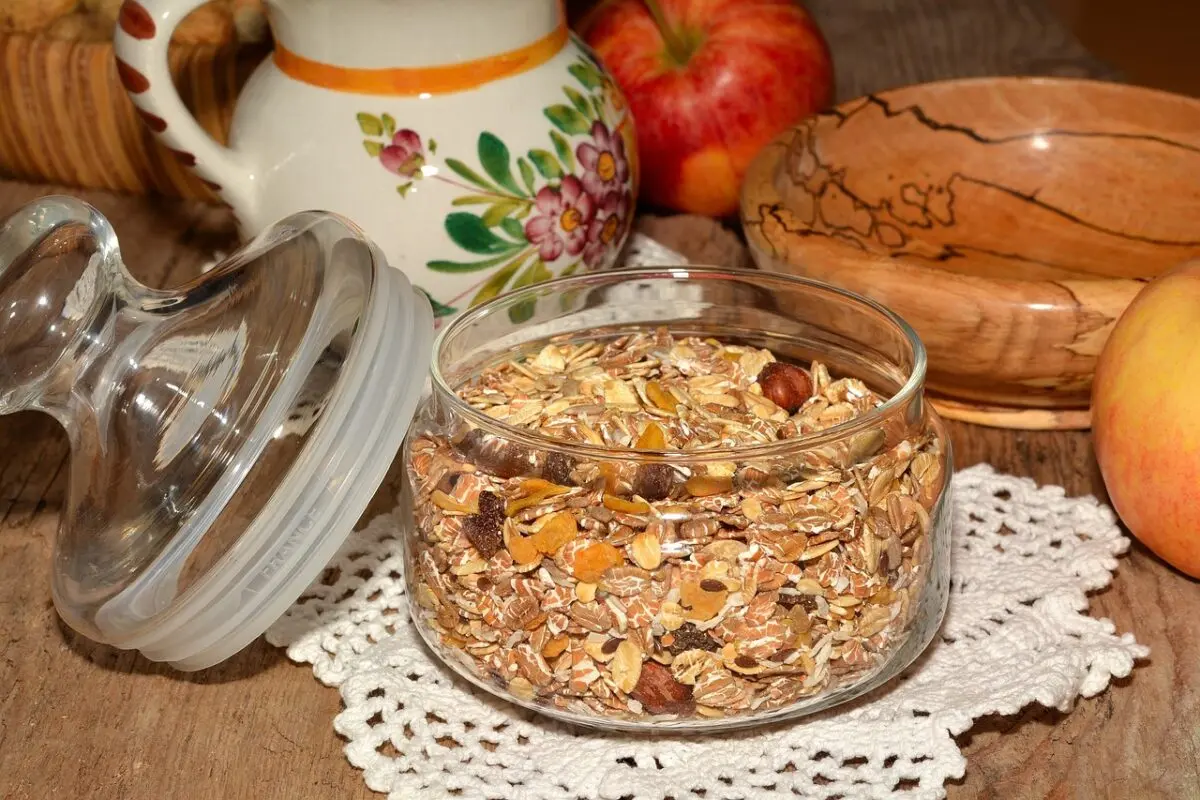
- Make oatmeal or soaked oats with milk or yogurt, then top with seeds and berries.
- Mix Greek yogurt or kefir with seeds, nuts, and fruit.
If you make these swaps daily, simple breakfast steps can substantially boost your daily fiber intake and overall health.
From BBC Science Focus
