
 Carlos Solis
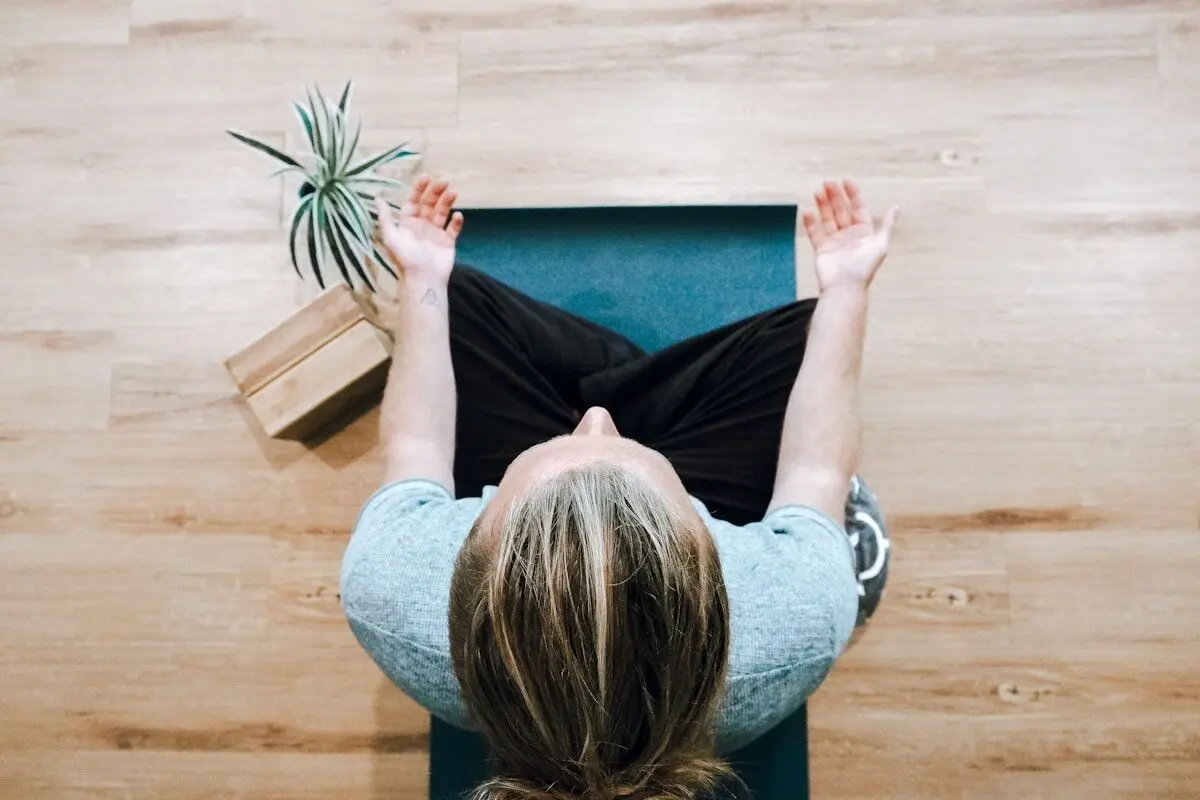
In the last decade, mindfulness went from a niche practice to a go-to for stress relief — but it doesn’t help everyone. Mindfulness, the practice of intentionally focusing attention on the present moment without judgment, has become one of the major breakthroughs in well-being science. Studies show that meditative practices can reduce stress, slow the heart rate, improve sleep, and lift mood.
But there’s another side. Mindfulness doesn’t affect everyone the same way, and in some people it can make things worse: for certain individuals, it increases anxiety or deepens depression. That reaction makes sense once you think about what the practice asks you to do.
Like in the 1997 film As Good as It Gets, Jack Nicholson yells, “I’m drowning here… and you’re describing the water!” That line is about love, but it also applies to mindfulness.
When Mindfulness Didn’t Help
In 2024, a team of researchers compared mindfulness with a mindset you might call hope. Researchers at Clemson University and North Carolina State surveyed people in the music industry whose jobs were especially vulnerable during the COVID-19 pandemic.
“We deliberately targeted a group that the pandemic hit hard,” Dr. Kristin Scott explains. “Their work was effectively halted for a long time. We wanted to know what kept these people from giving up, from sliding into depression, and what helped them stay focused.”
The result was stark. Hope boosted resilience and professional engagement among musicians and industry workers, while mindfulness was associated with greater job strain and higher stress levels.
What “Hope” Actually Means
You might assume hope is passive waiting — a “maybe things will sort themselves out” attitude. Dr. Scott says that’s not the case. In a psychologically useful sense, hope is active, goal-directed, and future-focused.
“It’s a mindset oriented toward a goal,” she explains. “I don’t know how things will turn out, but if I take specific steps and stay focused, I can reach positive outcomes. You don’t get swallowed up by the noise and the distractions of negativity; you leave that negativity behind.”
Those findings line up with other research on the power of optimism. Several long-term studies show that optimists tend to live longer, be happier, and more often maintain healthful habits compared with pessimists.
Mindfulness vs. Hope
Dr. Scott stresses that this doesn’t invalidate mindfulness. “Mindfulness isn’t harmful; it can calm you. There’s also the idea of mindful acceptance, where you acknowledge that a situation is bad but refuse to let it break you. I think hope takes the next step because it pushes you: ‘I’ll actively work to overcome obstacles.'”
Critics point to the risk of “false hope,” since telling someone to “hang on” can sometimes be unjustified. Even so, hope in its constructive form isn’t naive optimism; it’s the drive to find what you can do instead of sinking into passive helplessness.
Practical Tips From Psychologists
- Treat hope as an action, not just a feeling. Set realistic goals and plan specific steps that will help you reach them.
- Combine acceptance of problems with an active strategy. Use mindfulness to calm yourself, and let hope push you to look for ways out of difficulty.
- Focus not only on emotions but also on your resources and the next actions. That reduces the chance you’ll freeze in the face of obstacles.
Based on material from BBC Science Focus
