
 Gaby
GabyFor the eighth year running, former surfers Andrew Turton and Pete Ceglinski are on a mission to clean the oceans for future generations.
Their invention has filtered a volume of seawater—equivalent to five thousand Olympic swimming pools—removing microplastics and other pollutants.
A simple device that cleans the ocean
In 2015, the two friends developed a small but effective filtering collector called the Seabin. It removes plastic, cellophane, paper, oil residues, detergents, and other pollutants. It even captures microplastic particles as small as two millimeters.
The device doesn’t harm fish or other marine life. It skims debris from the top 10 millimeters of the water surface, shallow enough to avoid injuring marine animals.
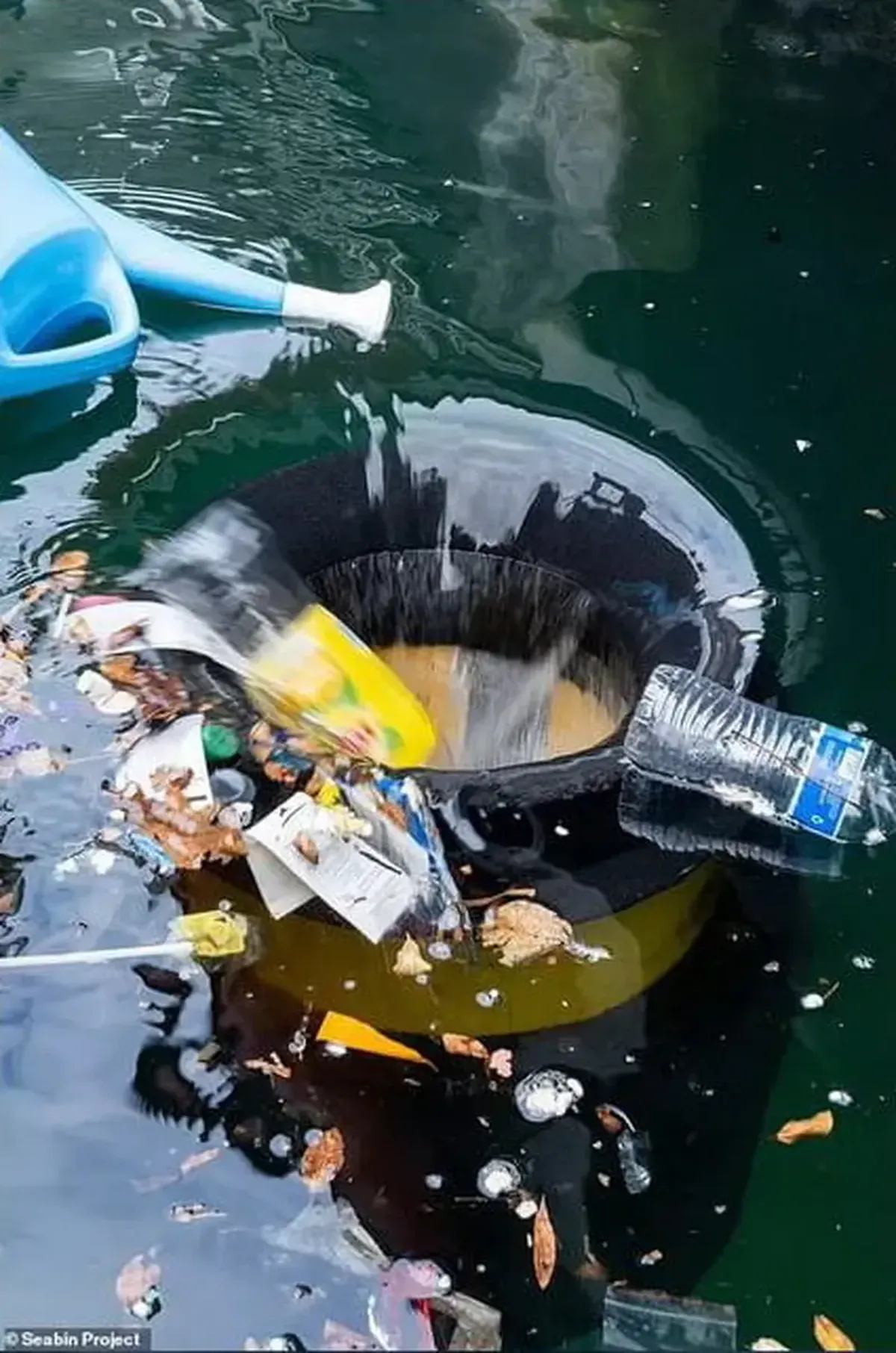
Throughout the year, the device—nicknamed the “marine trash bin”—collects about half a ton of debris.
The invention has spread to dozens of countries, the Daily Mail reported. It’s being installed in ports, yacht clubs, docks, and marinas.
What else to know about the “marine trash bin”?
When they launched their startup, industrial engineer Pete Ceglinski and designer Andrew Turton left their jobs. They raised $300,000 via crowdfunding in just two months—well above their $230,000 goal.
They focused on cleaning nearshore waters, where large amounts of marine debris accumulate.
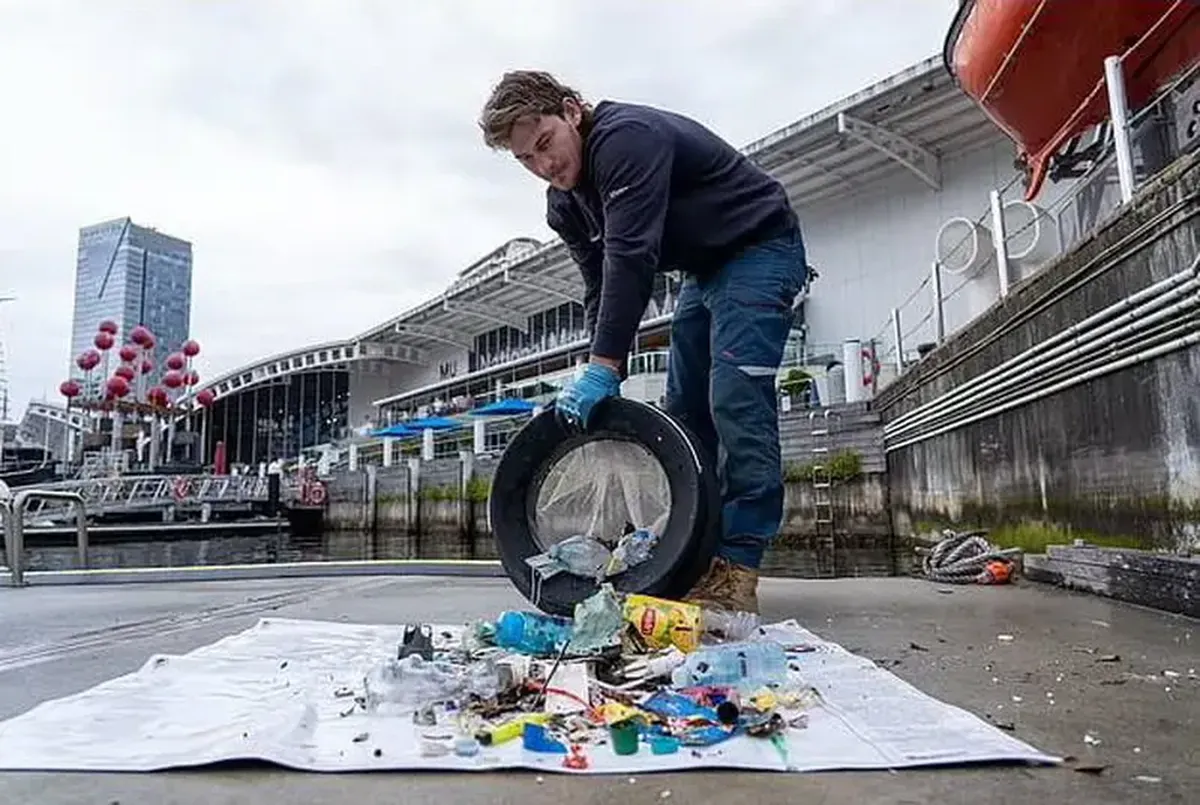
A filtration basket that can hold 20 kg of waste sits on a floating platform. The main requirement is access to a power source. The “marine trash bin” works like an aquarium filter. Inside the bucket there’s a water pump and a mesh bag made of a burlap-like natural fabric. That bag traps the waste.
The Seabin pulls in polluted water, filters it, and returns cleaned water to the sea. It filters about 25,000 liters of water per hour.
The improved V5 Hybrid runs on 110–120 V and costs about $4,000. Operating it is roughly $1 per day.
The founders plan to build more energy-efficient collectors that run on wind or solar power.
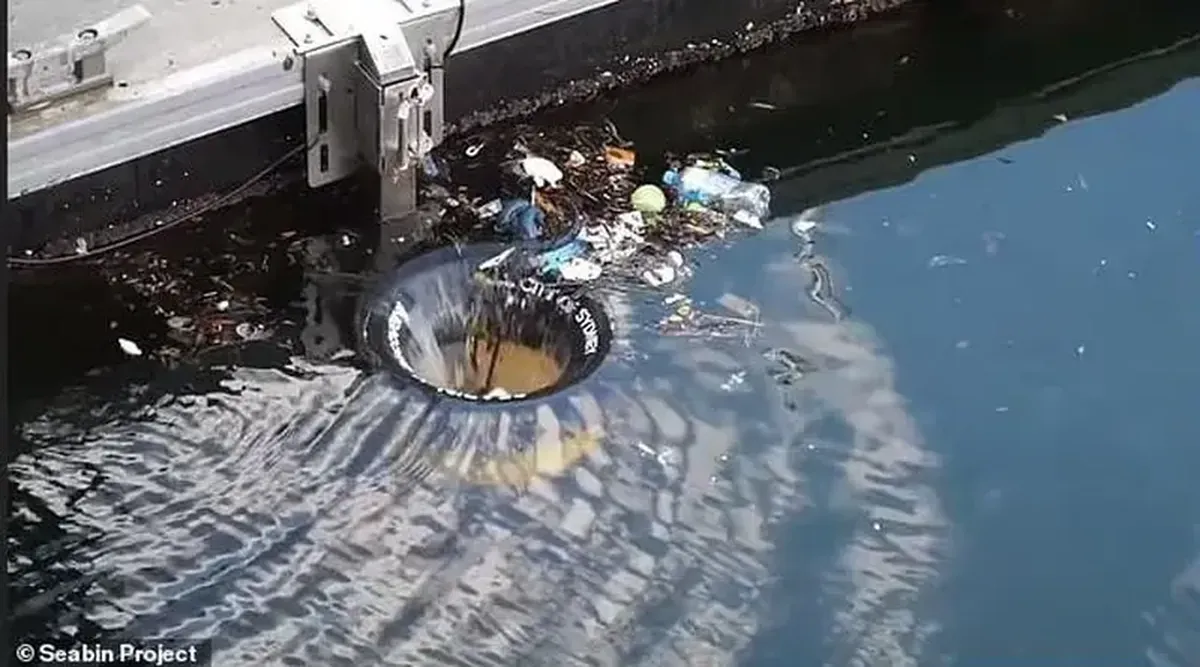
Recently, the founders announced an ambitious project to clean coastal waters: “100 cities by 2050.” The first cities where it’s being implemented are Sydney and Los Angeles. The team predicts that by 2025 they will remove roughly 54 tons of marine debris from Los Angeles alone.
Each year, about 12 million tons of plastic end up in the oceans. Pete and Andrew call the climate crisis devastating, but they’re determined to do everything they can to improve ocean health.
