
 Gaby
Gaby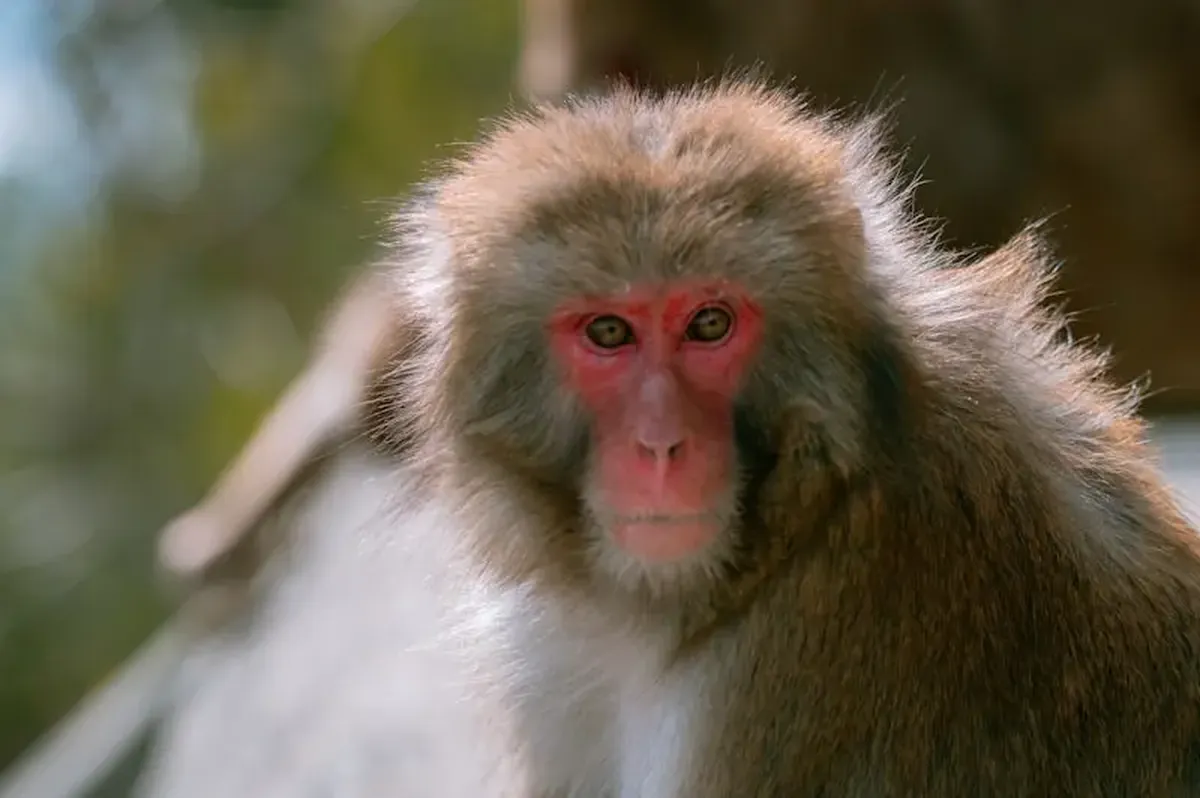
A team of British and American scientists from the universities of Exeter, New York, Arizona, and Pennsylvania analyzed eight years of data on more than 200 rhesus macaques on Cayo Santiago, an island near Puerto Rico known as Monkey Island. Long-term monitoring, supported by the Caribbean Primate Research Center, revealed that mature monkeys significantly narrow their social circles as they age. They limit their interactions to long-time friends and relatives. This isn’t because other monkeys avoid older female macaques. In fact, it’s the females themselves who initiate the reduction of social ties.
During the study, the scientists ruled out obvious causes, such as the death of partners, as the reason for shrinking social circles. Lauren Brent, a professor at Exeter’s Animal Behavior Research Center, said this gradual reduction in social networks mirrors a pattern seen in humans. This selectivity is an adaptive strategy: people often use it to cope with the physical and physiological limits they face later in life. Brent said the team found strong evidence that social selectivity isn’t unique to humans and may have deeper evolutionary roots.
Why do mature females prefer selective social ties?
Erin Siracusa of Exeter University says there are several possible reasons why macaques become more selective as they age. For instance, as monkeys grow older, their priorities around social interactions may shift. Young macaques benefit from a wide range of social contacts, which helps them establish their place in the group and find potential mates. For older macaques, staying close to family and longtime friends is easier and safer. That helps them avoid unnecessary conflicts and illnesses, Science Daily reported. Siracusa suggests forming new relationships requires more cognitive effort, so older macaques may cut back to conserve mental energy.
Rhesus macaques (Macaca mulatta) are the best-known species of macaque. These relatively large animals have dull greenish-yellow fur. They live in large troops of 20 or more individuals and prefer forests and open mountain slopes. They are not afraid of water and are good swimmers. Some cultures consider rhesus macaques sacred animals.
