
 Gaby
Gaby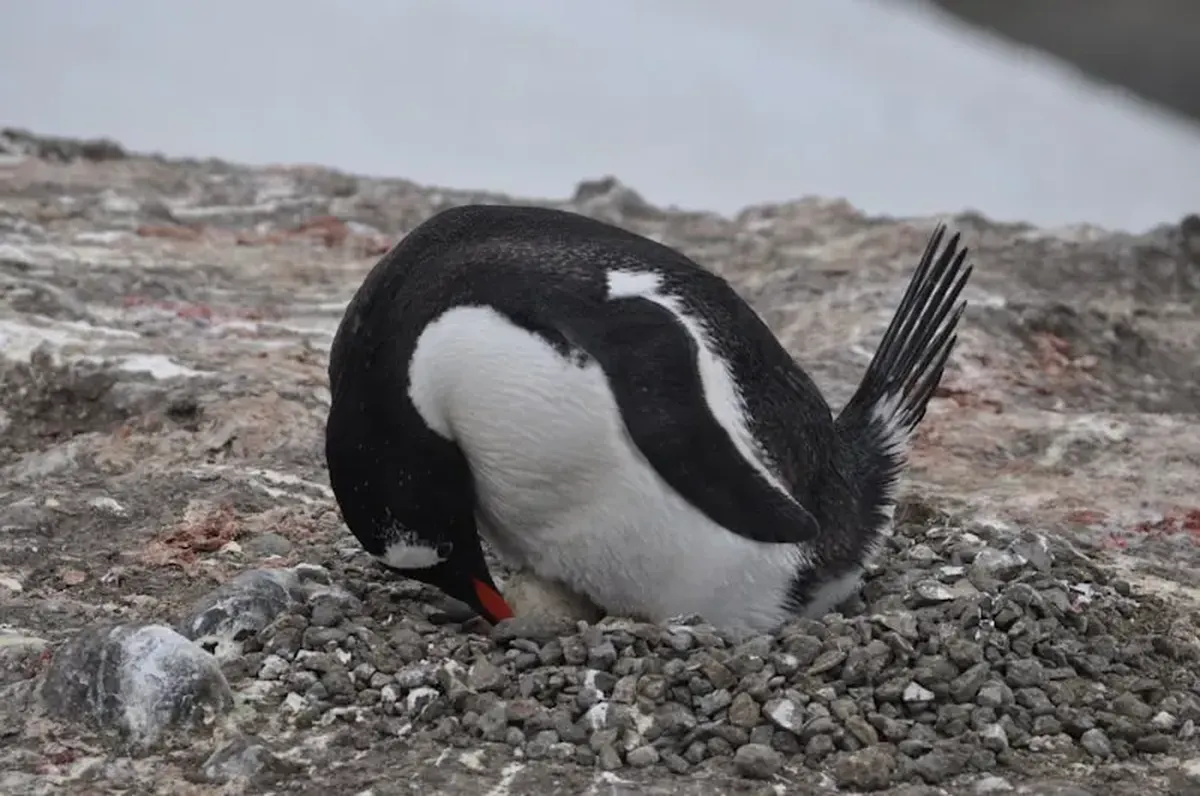
Antarctic penguins probably meet their daily sleep needs in tiny bursts. In fact, their total time spent in fragmented micro-sleeps adds up to about 11 hours. This adaptation lets them keep constant watch over their eggs against predators and aggressive neighbors in the colony. For humans, dozing off for a few seconds is usually a sign of sleep deprivation and can be dangerous—for example, when driving a car. Fragmented sleep also harms cognitive function and can increase the risk of neurodegenerative diseases such as Alzheimer’s. But for the Antarctic penguins of the species Pygoscelis antarcticus, this sleep pattern is an advantage.
How the Research Was Conducted
A team of international scientists led by Paul-Antoine Libourel from the Lyon Neurobiology Research Center found that these flightless birds developed this habit out of necessity to remain constantly vigilant. Among penguin species, Pygoscelis antarcticus is currently the most widespread, with around eight million breeding pairs. These birds primarily inhabit the Antarctic Peninsula and islands in the southern Atlantic Ocean. During nesting, one penguin typically watches the eggs while its partner forages for food; when the forager returns, they swap roles.
The researchers traveled to King George Island, where 2,700 pairs of Antarctic penguins were nesting. They implanted electrodes in 14 birds to study their sleep patterns. The team recorded brain activity and neck muscle movements and used accelerometers and GPS to track the birds’ movements and body positions.
What the Scientists Discovered
Over several days of observation, the team uncovered fascinating details about the penguins’ sleep, as reported by Science Alert. During egg incubation, the birds slept either standing or lying down, averaging 3.91 seconds per sleep. Across a day, they accumulated up to 10,000 of these micro-sleeps. Penguins on the outskirts of the colony had longer, deeper sleep than those in the center. The researchers say this likely reflects the constant noise in the colony center and higher anxiety from the greater risk of egg theft.
The scientists did not directly measure whether the birds’ bodies recovered during these fragmented sleep periods. However, because the penguins reproduced successfully, the researchers infer that the micro-sleeps provide sufficient recovery. Those brief periods of neuronal silence likely create necessary windows for rest and repair. “So, what looks abnormal for humans can be perfectly normal for birds or other animals under certain conditions,” the team concluded.
Previous studies have also identified micro-sleep in albatrosses, dolphins, ducks, and elephant seals. This adaptation helps animals rest while on the move.
