
This is the longest journey recorded for this species. The first sighting of the record-breaking penguin on Ocean Beach, on Australia’s southern coast, was made by surfer Aaron Fowler. Fowler was stunned — how did a penguin swim all the way here from Antarctica, its natural habitat? “It was big, about three feet tall, and we thought: what is that coming out of the water? The penguin stood up and waddled right towards us. It wasn’t shy at all. And it looked immaculate,” the surfer said. He also noted that the emperor penguin’s tail was sticking out “like a duck’s.” “It tried to belly-slide, as if it were on snow, then buried its beak in the sand, stood up, and shook itself off,” Fowler recounted.
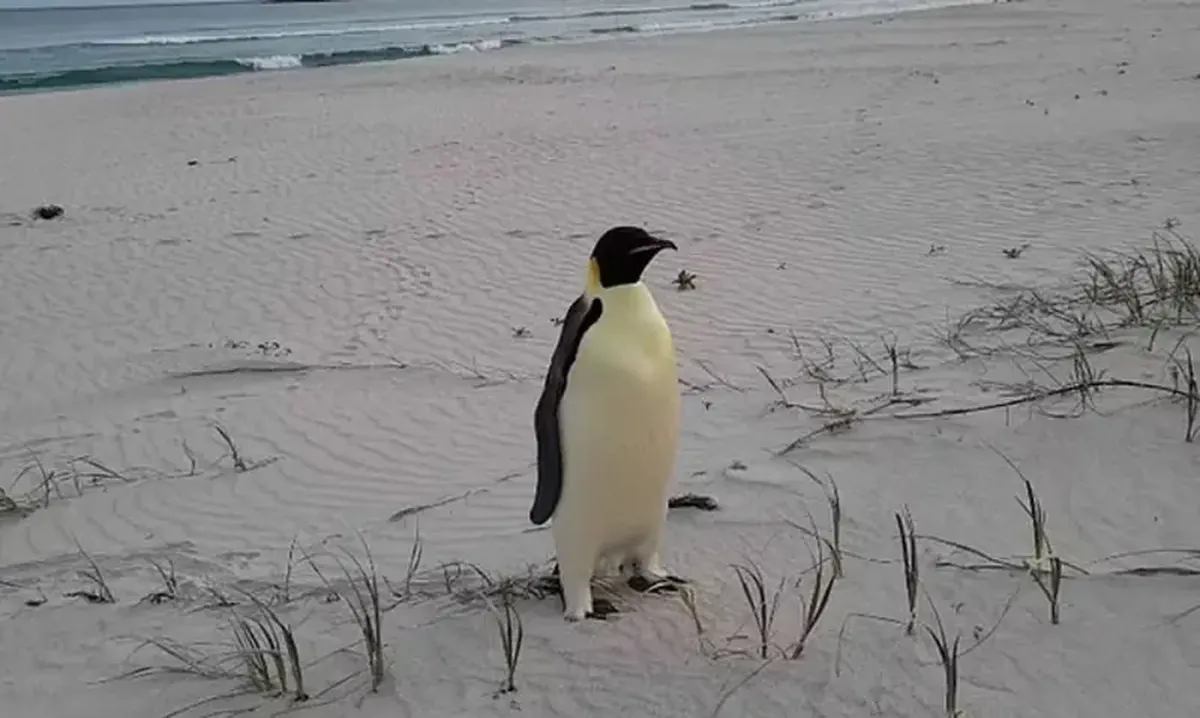
This isn’t just about the longest distance traveled by a member of this species. It also marks the northernmost movement of an emperor penguin ever observed in the wild, the Daily Mail reported. The emperor penguin is known as the “giant of the penguin world.” The British Antarctic Survey says these birds are true Antarctic species and are rarely found in sub-Antarctic waters.
Belinda Kennell, a research fellow at the University of Western Australia, confirmed this is the farthest journey of an emperor penguin known to science. “Overall, the furthest point north these birds have reached is around the 50th parallel south, while Ocean Beach is situated at the 35th parallel south, which is significantly further north than any locations where penguins from Antarctica have ever been tracked,” she explained. While the nature of this journey remains unclear, Kennell suggests the penguin likely rode a current. “This chick is less than a year old; young emperor penguins usually stay at sea for three to five years before returning to their native colony to breed,” she said. Kennell added that emperor penguins typically follow certain ocean currents that help them find food, and those currents may have shifted slightly farther north than usual. It remains uncertain whether the bird will stay in Australia or return home to Antarctica.
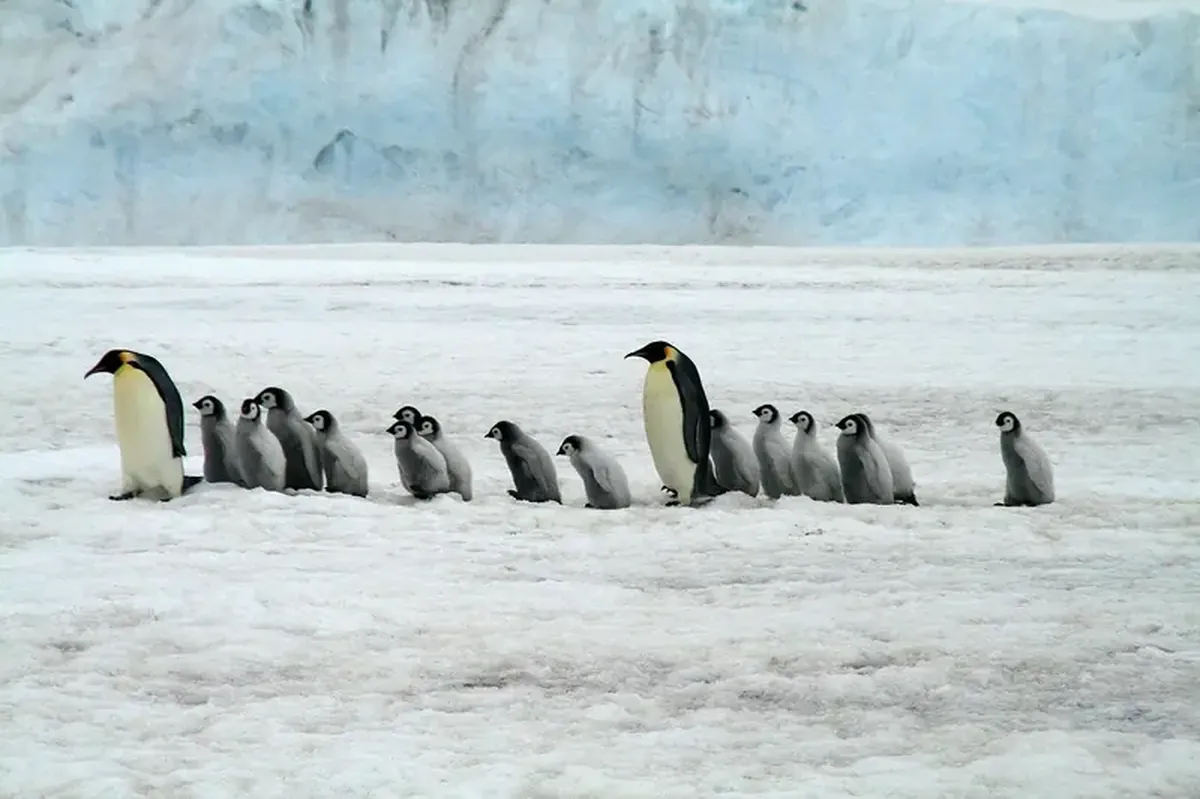
What should you know about the emperor penguin? The emperor penguin, endemic to Antarctica, is the largest flightless bird and the tallest penguin. It can reach heights up to about 4.5 feet and weigh between 49 and 218 pounds. It is easily recognized by its black back and head, white chest, and yellow patches on its neck. These birds huddle together to keep warm in the icy climate, where temperatures can plunge to among the lowest on Earth. They raise their chicks on sea ice. Females lay eggs before heading out to hunt, while males incubate the eggs. After the chicks hatch, parents take turns foraging at sea and caring for the young. Emperor penguins primarily eat fish, but they also consume crustaceans such as krill and cephalopods such as squid. During hunting, they can stay underwater for about 18 minutes and dive to depths of over half a kilometer.
