
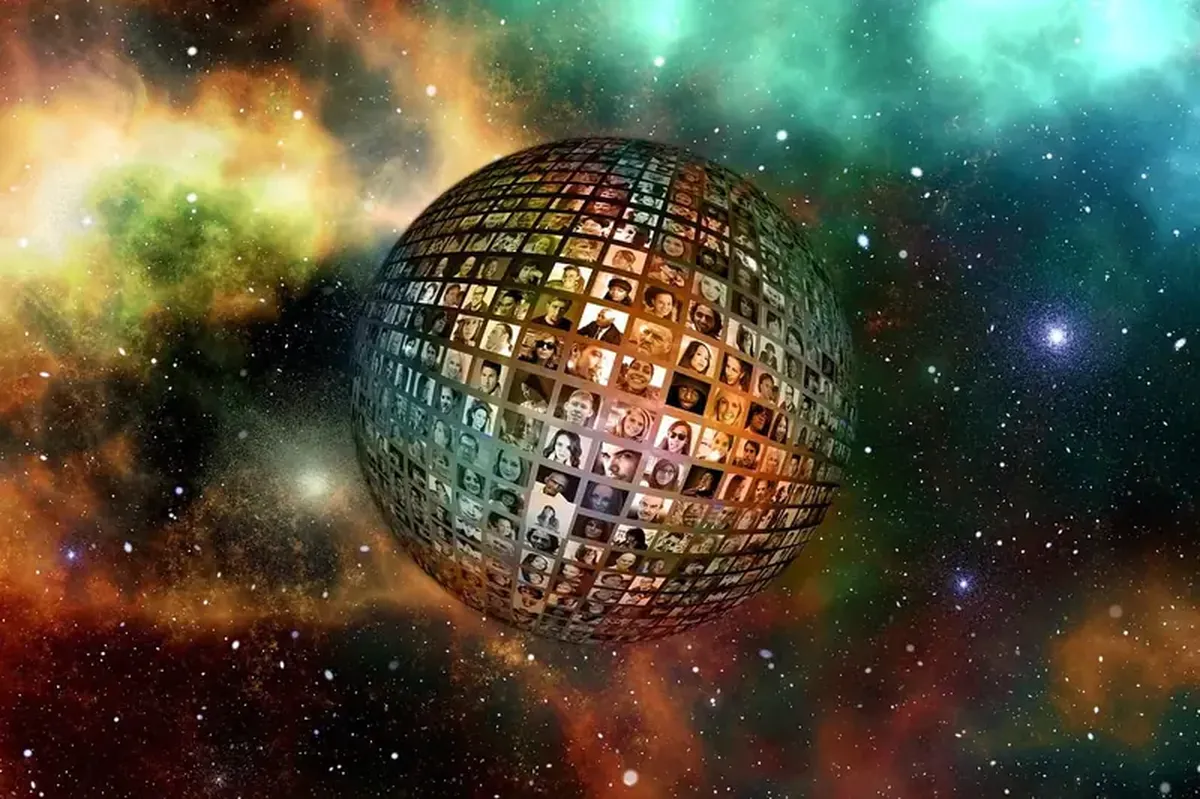
Just over two centuries ago, Earth’s population was about 1 billion. In the following century it rose by 600 million, and today it’s roughly 8 billion. That kind of rapid growth isn’t sustainable, and it raises the risk of a “population correction.” Canadian ecologist William Rees warns such a correction could occur within this century.
The Planet’s Population is Growing While Resources are Dwindling
Rees points out that humanity is consuming Earth’s resources at an unsustainable rate. Natural human tendencies also make correcting this “advanced ecological overshoot” difficult.
That could trigger a collapse of civilization that would “correct” global overpopulation. Rees told ScienceAlert that in a worst-case scenario it could happen before the end of the 21st century, leaving only the wealthiest and most resilient societies.
Rees says humanity evolved so that reproduction, geographic expansion, and consumption of available resources grew exponentially. For much of our evolutionary history, negative feedbacks kept those trends in check. But the scientific revolution and the rise of fossil fuels removed those restraints, allowing population growth to become effectively unbounded.
The Earth is Overburdened by Overpopulation
Rees says humanity now sees itself as master of the planet, forgetting that natural selection still applies. Our short-term thinking — which once helped us survive — now pushes us to consume whatever resources are available.
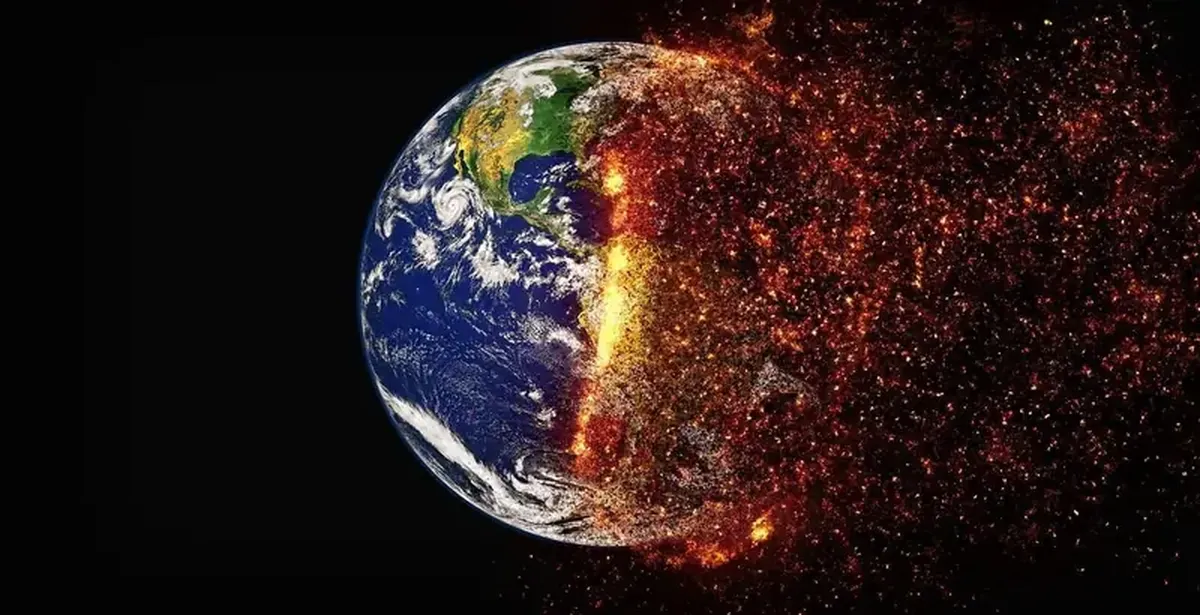
That behavior has driven excessive consumption and pollution, problems for which much of today’s global population bears responsibility. Rees points to climate change as evidence the planet is already overloaded — and that’s only part of the larger overshoot problem.
While we keep burning vast amounts of fossil fuels, we also ignore other symptoms of overshoot. Together, these interconnected pressures are driving the sixth mass extinction and increasing the risk of chaotic failures in Earth’s life-support systems.
Proposed fixes like switching to renewable energy don’t solve exponential population growth. In some cases they could even enable more consumption if population continues to rise.
Recognizing the Danger to Earth’s Population
The key question is whether technological advances — from fighting climate change to boosting food production — can keep up with rising consumption. Rees warns that if they can’t, food shortages, environmental instability, wars, and disease could sharply reduce population numbers.
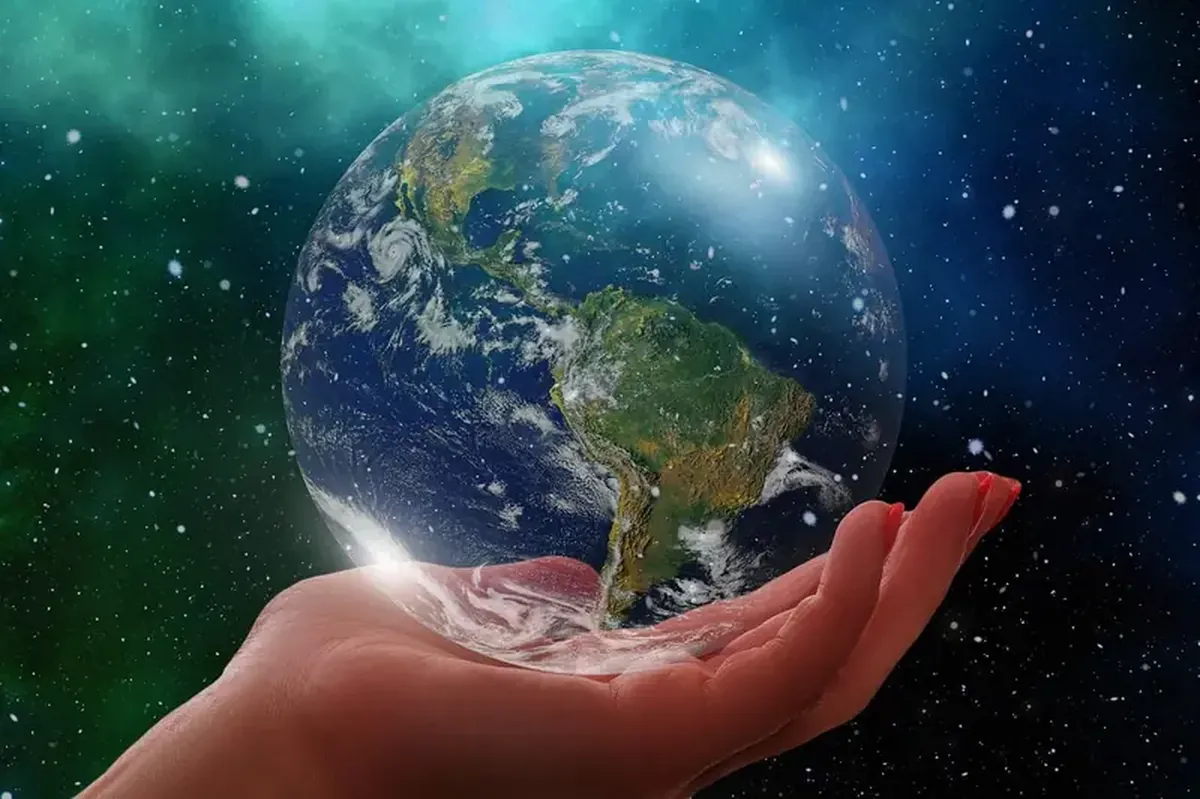 As Rees explains, no single symptom of overshoot can be tackled in isolation; addressing overshoot directly will reduce all the major symptoms at once. Rees and many other scientists also stress that people need to be far more aware of the danger.
Humanity must find a better balance in its relationship with the planet. As Rees notes, in the best case the transition could be managed to avoid unnecessary suffering for millions or billions of people. But that won’t happen in a world that refuses to recognize how dire the situation is.
