
 Carlos Solis
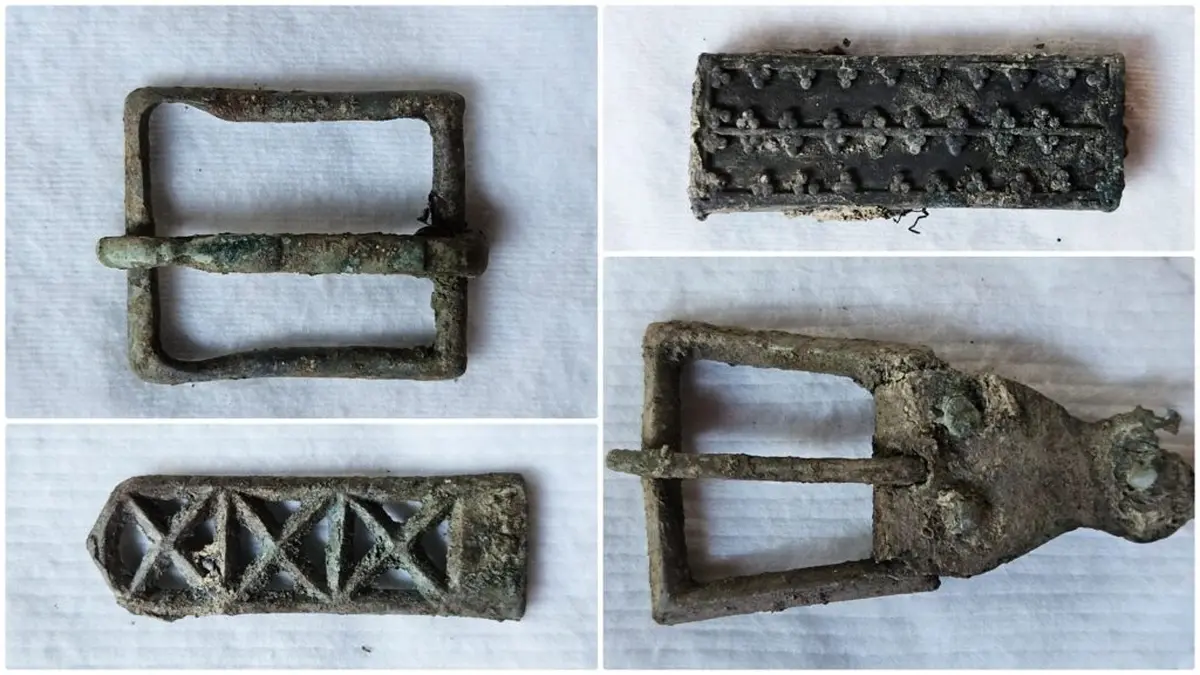
Archaeologists in Romania unearthed a burial complex that dates to the 6th–7th centuries AD. The most striking detail is the rider and his horse. Alongside the skeletal remains, the team found objects made of precious metals and bronze, which point to the buried person’s high social status.
Archaeological work took place as part of preventive excavations carried out ahead of infrastructure work on a route to Timișoara. Specialists from the Satu Mare History Museum carried out the digs under Romania’s cultural heritage protection laws.
Earlier on the same site, specialists had already found Roman remains dating to the 2nd–4th centuries AD, which shows this area played an important role in multiple historical periods.

Who Were the Avars?
The Avars were a steppe-origin polity that entered European history in the second half of the 6th century. By around 600 AD, they had established control over much of the Carpathian Basin and ruled diverse populations that included Slavic and other local groups. Their political center lay in the broad region that now covers parts of Hungary, Slovakia, Austria, Serbia, and Romania.
The Avars left no written records of their own, so most information about them comes from archaeology and Byzantine authors. Burial complexes, however, speak plainly: horse graves, weapons, decorated belts, stirrups, and jewelry reflect a society in which military rank and public displays of status were tightly linked.
Why the Horse Burial Matters
In early medieval steppe traditions, the horse often accompanied the deceased as a status symbol and possibly part of beliefs about the afterlife. A rider buried with his horse signals that the person served as a warrior whose role was inseparable from life in the saddle.
Excavations are ongoing, so the team may uncover more details about the burial and its context. For now, the find is significant because it links the Timișoara area to one of the most dynamic periods of the early Middle Ages, when steppe peoples, Byzantine diplomacy, local communities, and border politics were reshaping the region after the fall of Roman rule.
Based on reporting from Arkeonews
