
 Gaby
Gaby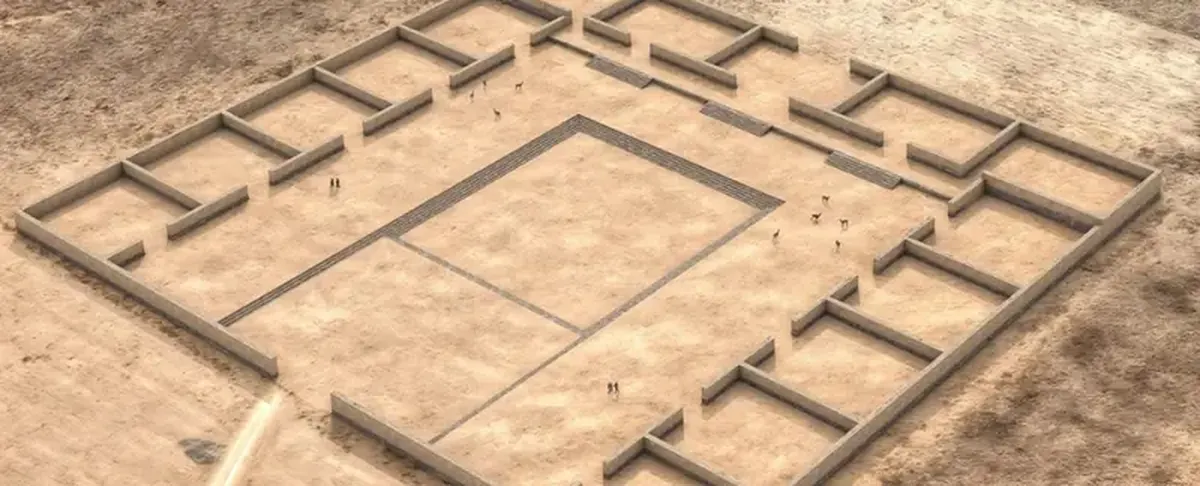
Long before the Incas arrived in the Andes, a civilization known as Tiwanaku thrived in the region. An international team of archaeologists led by José Capriles of the University of Pennsylvania uncovered the ruins of a massive temple measuring 125 by 145 meters, built by this enigmatic society.
The ruined temple, referred to by locals as Palasapata, is situated atop a hill in Bolivia, 215 kilometers southeast of the Tiwanaku archaeological site.
The team believes this temple once served as a crucial strategic location, since it sits at the intersection of three major trade routes.
Researchers haven’t yet determined why the Tiwanaku civilization declined. They do know it was a complex culture that emerged around 110 AD and lasted until roughly 1000 AD, with a cosmological religion, political institutions, and an agro-pastoral economy, Science Alert reported.
Dr. Capriles said the Tiwanaku had long since declined by the time the Incas conquered the Andes in the 15th century.
What Else Do Archaeologists Know?
The remnants of Tiwanaku architecture—pyramids, terraced temples, and monoliths—are mostly scattered around Lake Titicaca. While researchers know the civilization’s influence reached farther afield, scholars still debate how much political control Tiwanaku actually exercised over distant territories, the lead researcher said.
They used drone imagery and photogrammetry to build a detailed 3D model of the temple. Dr. Capriles said the images were somewhat blurred, so researchers combined multiple satellite images to improve the results.
The enormous temple features 15 enclosed rooms arranged around a central courtyard. This design is typical of Tiwanaku architecture, which produced many temple ruins concentrated near the southern shore of Lake Titicaca.
The main entrance of the structure faces west, toward the equinox. The temple contained artifacts that speak to everyday and ritual life: fragments of ceramic kero cups, vases, pitchers, and incense burners. Kero cups were used during ceremonies for drinking chicha, a traditional corn beer.
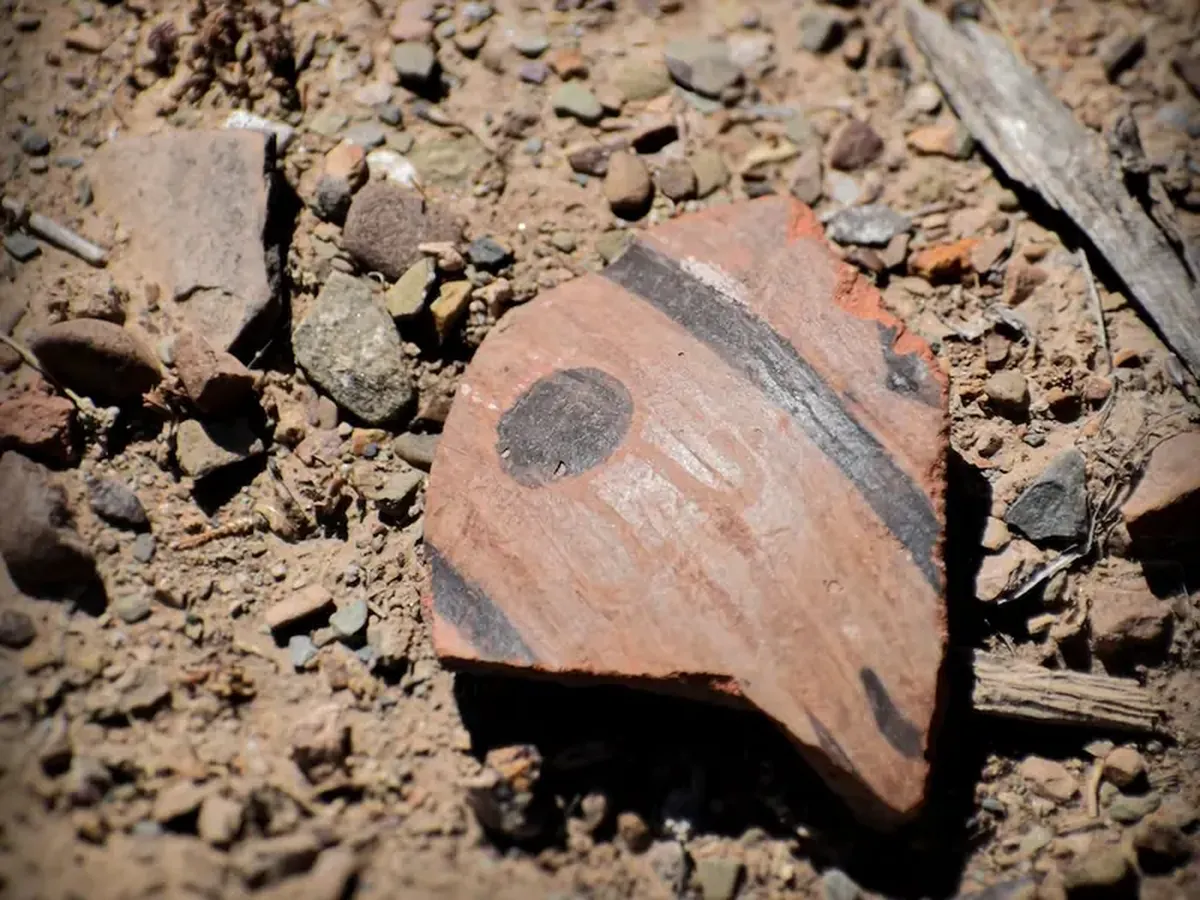
Archaeologists also found several samples of Karangas pottery with black inscriptions on a red background, fragments of camelid bones, a few pieces of turquoise, and a shell from a Peruvian sea snail.
Religion played a significant role in Tiwanaku society. The ancient inhabitants of the Andes built grand edifices not only for spiritual practice but also to extend their control over surrounding areas.
Dr. Capriles said most economic and political agreements were mediated by a deity, since shared religious practice provided a common language for cooperation among different groups.
The research was published in the journal Antiquity.
