
 Gaby
Gaby
British researchers conducted the first large-scale study to examine how sleep varies across the population. They found that sleep quality depends not only on where people live but also on their ethnic background — regardless of age, gender, personal wealth, or employment status. The study showed that middle-aged people living in impoverished areas sleep worse than those living in affluent neighborhoods, even when their personal finances are similar.
How Neighborhood Affects Sleep Quality
Lead author and study director Professor John Groger emphasizes that the problem is more about neighborhood than individual income. He says the findings have implications for health, educational outcomes, wealth accumulation, and work productivity, because poor sleep undermines all of these areas.
Professor Groger says socially disadvantaged groups sleep worse. Regular sleep deprivation can raise the risk of serious health problems, including obesity, heart disease, and diabetes, and can shorten life expectancy.
Study Findings
For the study, Groger’s team and psychologists analyzed data from about 500,000 people aged 40 to 69 in the UK Biobank, a large repository of medical records and lifestyle data for British residents. Researchers looked at reports of sleep issues such as sleeping too long or too little for one’s age, waking up during the night, early morning awakenings, snoring, daytime sleepiness, and trouble getting up in the morning.
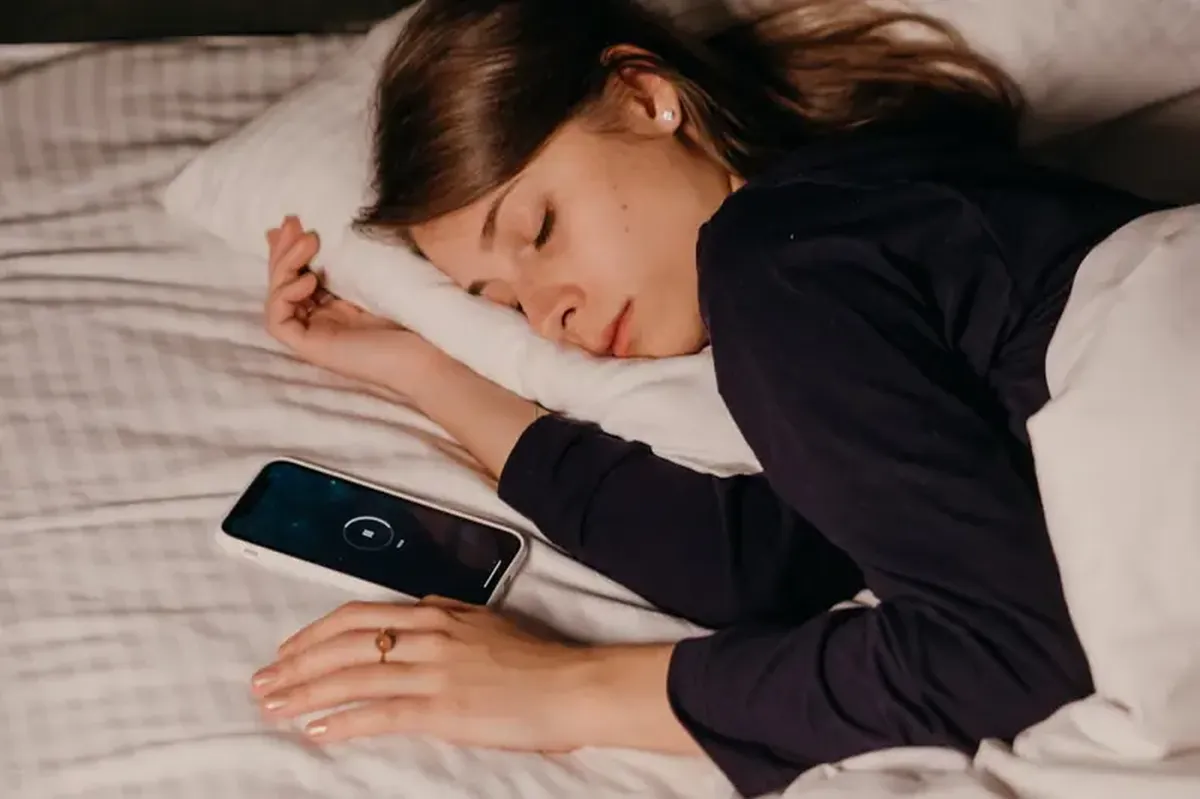 The results showed that nearly one-third of participants reported sleeping less (24.7%) or more (7.7%) than the recommended duration for their age group. Researchers also found that people of European descent (82.4%) reported it was easier to wake up in the morning than people of Asian descent (73.5%) or people of mixed ethnicity (74.2%).
At the same time, people living in low-income areas reported more trouble getting up in the morning, more daytime napping, and more nighttime awakenings. Professor Groger notes environmental problems such as noise and light pollution in overcrowded, low-income neighborhoods. He says factors like poor education, poverty, unemployment, unstable or shift work schedules, diet, and fear of crime probably make it harder to sleep.
Who Sleeps Best?
The study found that the best sleepers tended to be men, younger people, those with higher education, people who live with others, those with higher incomes, households with multiple cars, and people with long-term employment. Groger’s team also found that people who were employed or retired reported better sleep quality than those who were unemployed or unable to work.
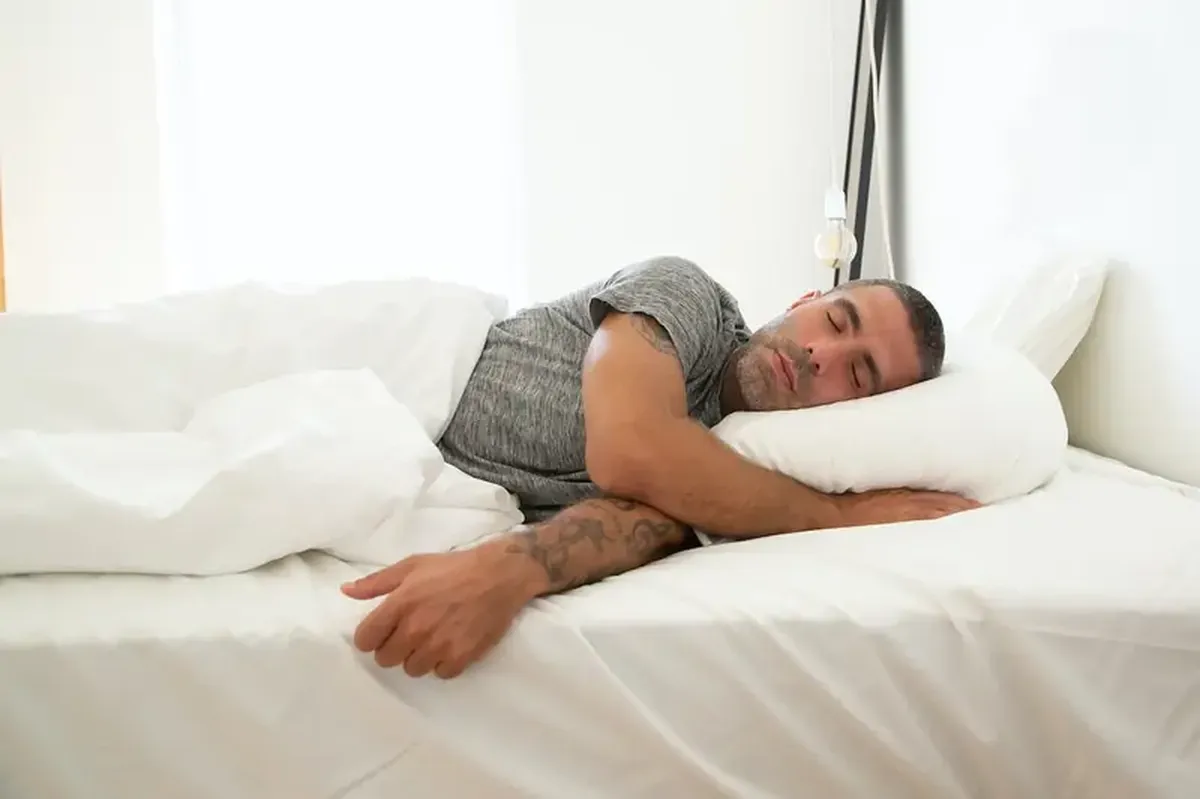 Using the data, researchers developed a Sleep Problem Index that combines the different sleep issues into a single score. As reported by the Daily Mail, clinicians could use the index to identify and support people with poor sleep.
Professor Groger says improving sleep is often easier than it seems. Many problems respond to behavioral changes, though some people have sleep disorders or medical conditions that require separate treatment. In most cases, education and targeted interventions can improve poor sleep.
