
 Gaby
GabyExcess weight, thinning hair, and eczema are just some of the unpleasant changes in appearance and health linked to microplastics.
These tiny pieces of plastic, measuring less than 5 millimeters in length, are not biodegradable. They can persist in the environment for hundreds, if not thousands, of years. They have also been found in everyday household items and even in the human body.
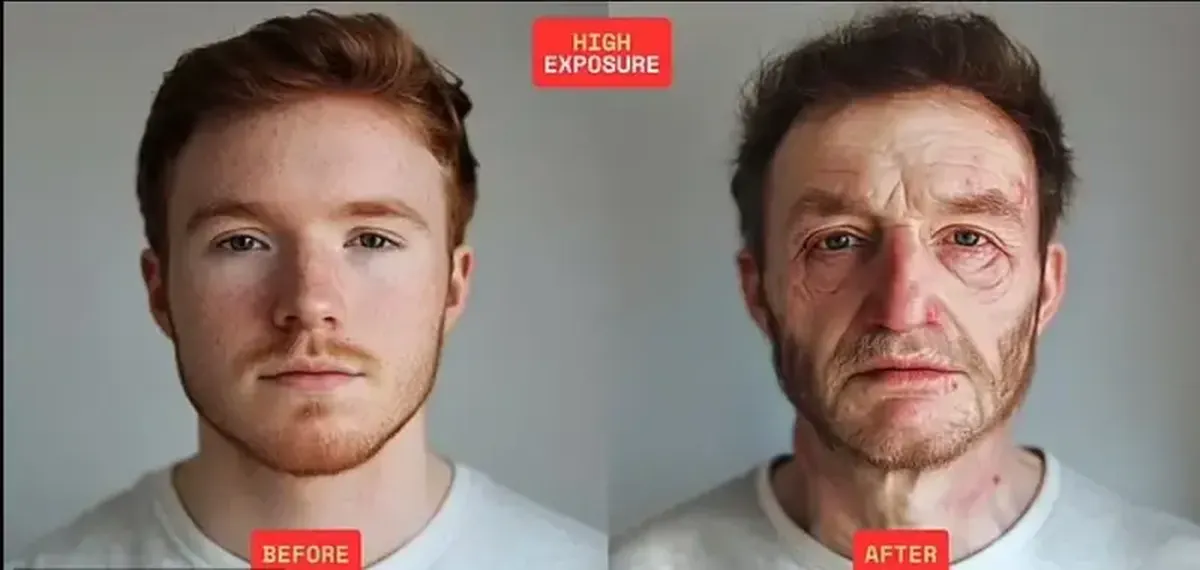
Researchers from BusinessWaste, a company specializing in industrial waste disposal, predicted what the average man and woman might look like after microplastic exposure. To do this, the team used artificial intelligence to create the eerie images, the Daily Mail reported.
“Although most research on the impact of microplastics on humans is in its early stages, there is a wealth of information about how plastic pollution can affect us,” said Mark Hall, an expert on plastic waste and co-author of the study.
He said the images are based on alarming research findings. “But we hope that these images will make people think and pay attention to a larger issue. Unfortunately, microplastics are abundantly present in the environment; they contaminate everything from the air we breathe to the food we eat,” Mr. Hall added.
To create the images, scientists analyzed three levels of microplastic impact on the human body: low, medium, and high.
Low level of influence
At this level, the body is exposed to microplastics through food, beverages, and the environment. Most symptoms are internal.
They include minor changes to the skin (dryness, redness, and irritation), some disruptions in bowel function (bloating, stomach discomfort, and digestive issues), and mild fatigue.
Average level of influence
If you regularly consume processed foods and seafood and frequently use synthetic fabrics, that indicates a moderate level of microplastic contamination.
It can manifest as increased skin irritation, signs of premature aging, redness and inflammation of the eyes, mild breathing difficulties (coughing and wheezing), persistent fatigue, and clouded consciousness. Chemicals released from microplastics can disrupt hormonal balance, leading to weight fluctuations and digestive disorders.
High level of influence
Ultimately, a high level indicates prolonged or constant exposure to microplastics. Researchers say this can result from an unfavorable working environment, poor-quality drinking water, and frequent use of synthetic fabrics in everyday life and clothing.
High exposure can cause chronic skin inflammation, rashes or eczema, and reduced lung function, which may give the skin a bluish or purplish tint. This level of exposure is also associated with microplastics in the brain, causing slowed reflexes, memory problems, confusion, and hand tremors.
Other side effects include unexpected weight loss or gain and thinning hair.

How to reduce the impact of microplastics
Use glass or metal water bottles and never reheat leftovers in plastic containers in the microwave.
Use wooden cutting boards, avoid plastic dishes, and choose loose items over packaged ones (for example, loose tea).
Buy products with minimal or no plastic packaging. Bring reusable bags made from natural fabrics to the supermarket.
