
 Gaby
Gaby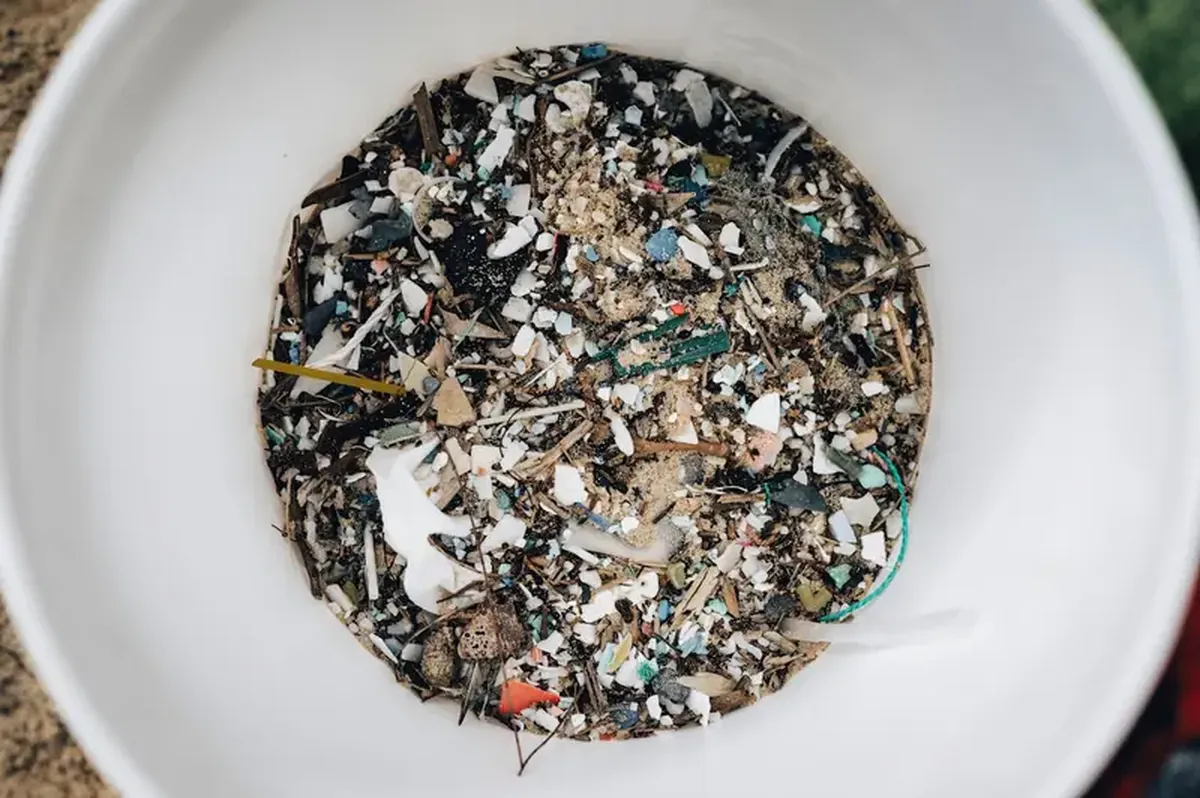
Let’s remember: microplastics are tiny pieces of plastic measuring less than five millimeters that infiltrate the deepest parts of our bodies. These particles are linked to the development of cancer, DNA damage, and other serious health issues.
Beatrice Gomber, founder of Tabor Place (USA), has shared insights on 10 common products and beverages that contain alarmingly high levels of microplastics. Her company is dedicated to eliminating microplastics from our lives.
Beatrice, often referred to as the “anti-plastic lady,” explained safe and useful alternatives for many of them, though some have no viable substitutes.
She also reminded us that food packaged in plastic containers typically contains higher levels of harmful particles. As the packaging gradually breaks down or is exposed to heat, microplastics leach into the food.
Seafood
A recent study revealed that individuals who consume a lot of shellfish ingest about 11,000 microplastic particles each year.
“The amount of microplastics in the ocean doubles every six years, and much of it ends up in our seafood,” Beatrice said. She noted that seafood is a unique segment of the diet for which no alternatives can be found. “We simply need to reduce our seafood consumption and try to avoid highly processed fish,” she advised.
Salt
Here’s something many of us might not expect: unrefined sea salt contains a very high amount of microplastics. Moreover, the much-touted pink Himalayan sea salt, popular for its mineral content, is particularly rich in microplastics due to its extraction process.
She suggests opting for highly refined table salt on your next supermarket trip.
Processed Dairy Products
Studies have shown that heavily processed dairy products contain significantly more microplastics.
Buy dairy products that have undergone less processing, she recommended. However, she cautioned that unpasteurized dairy products pose health risks, since their consumption is associated with harmful, and sometimes deadly, microbes like E. coli, salmonella, and listeria.
Pouches of Puree
These are typically found in the backpacks of travelers with young children. But these travelers should be aware that fruit and vegetable purees contain a significant amount of microplastics.
Heat greatly increases the amount of toxic chemicals and microplastics that leach into the food. Numerous studies have found high levels of microplastics and adhesive chemicals, as well as various bisphenols and phthalates, exceeding toxicological concern thresholds, Beatrice warned.
She advised against using these pouches and encouraged parents to give children as many fresh, unprocessed fruits and vegetables as possible.
Products in Foil Retort Pouches
Products like tuna, lentils, or beans are cooked in the same foil retort pouches they are sold in. Beatrice’s advice: “Avoid them. Buy dried beans and lentils, cook them yourself, and reduce your tuna consumption.”
Tea in Nylon Bags
The expert says nylon tea bags release large amounts of microplastics into a cup of hot tea.
She recommends buying loose leaf tea and using a stainless steel infuser. Or, at the very least, brew tea in paper bags.
Processed Meat
Beatrice’s team tested various meat products purchased from American grocery stores for microplastic content. They found that highly processed products, including chicken nuggets and plant-based nuggets, contained the most microplastics.
The conclusion is predictable: opt for meat products that have undergone minimal processing.
Seaweed
Microplastics cling to the surface of seaweed and adhere to its tiny cracks and fibers, according to the Daily Mail.
Seaweed is consumed worldwide, but it is especially common in some Asian diets. A new study revealed that the average Chinese resident consumes over 17,000 microplastic particles annually just from seaweed. This accounts for 13 percent of their annual microplastic intake.
“Try to reduce your seaweed consumption,” Beatrice advised.
Honey
Researchers have tested honey from around the world for microplastics and found that this food product is heavily contaminated. When bees collect pollen, they pick up plastic particles that ultimately end up in the honey.
For those who can’t live without honey, the expert recommends buying it from rural areas where the environment is cleaner.
Beer
Various plastic materials are often used in the brewing of beer. Recently, researchers discovered particularly high levels of microplastics in famous German beers. Beatrice believes it’s essential to choose beers that have undergone significant filtration.
