
 Carlos Solis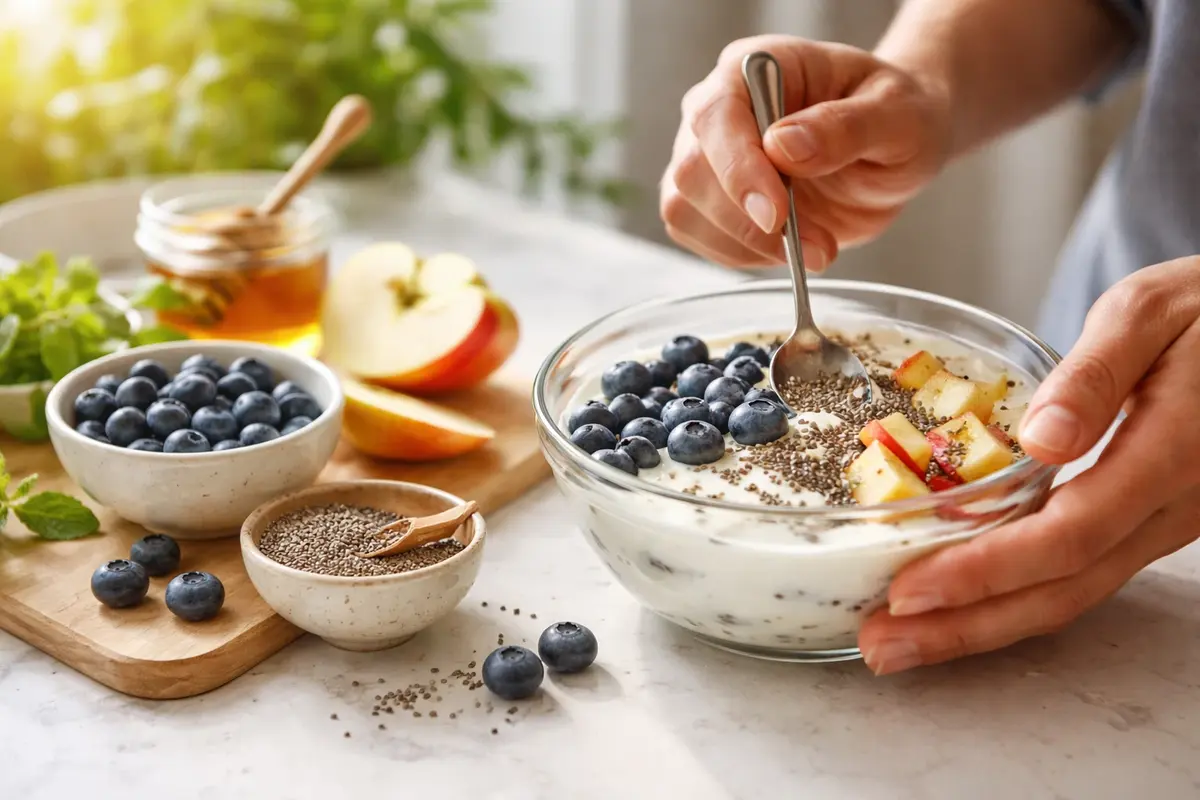
When two good ingredients meet, they can produce an effect bigger than the sum of their parts. Nutrition is chemistry, so it pays to look beyond single vitamins or micronutrients. Many studies test one compound at a time, but our meals contain thousands of compounds that can interact. The right pairings can make a real difference: they improve digestion, strengthen immune and brain function, and in some cases help with weight loss.
Here are five proven combinations to add to your diet.
1. Fiber and polyphenols
Most people can quickly improve their diet by increasing fiber intake. Fiber supports a healthy gut microbiome, and that microbiome affects digestion, immunity, and brain function.
Fiber appears in whole grains, legumes, nuts, seeds, vegetables, and fruits; two tablespoons of chia seeds provide about 5 g of fiber. Recommended daily intake is around 25 g.
Humans don’t make enzymes to break down fiber, but gut bacteria do. When those bacteria “eat” fiber, they produce short-chain fatty acids with anti-inflammatory effects that help maintain the gut lining and support the immune and nervous systems.
You can boost fiber’s benefits by pairing it with polyphenols. These compounds, found in many berries and fruits, act like prebiotics that feed beneficial microbes and also provide antioxidant protection for cells.
To strengthen the effect, add fermented foods such as yogurt with live cultures; fermented foods increase microbiome diversity. Polyphenols work best fresh or minimally processed, and choose fermented products with live cultures.
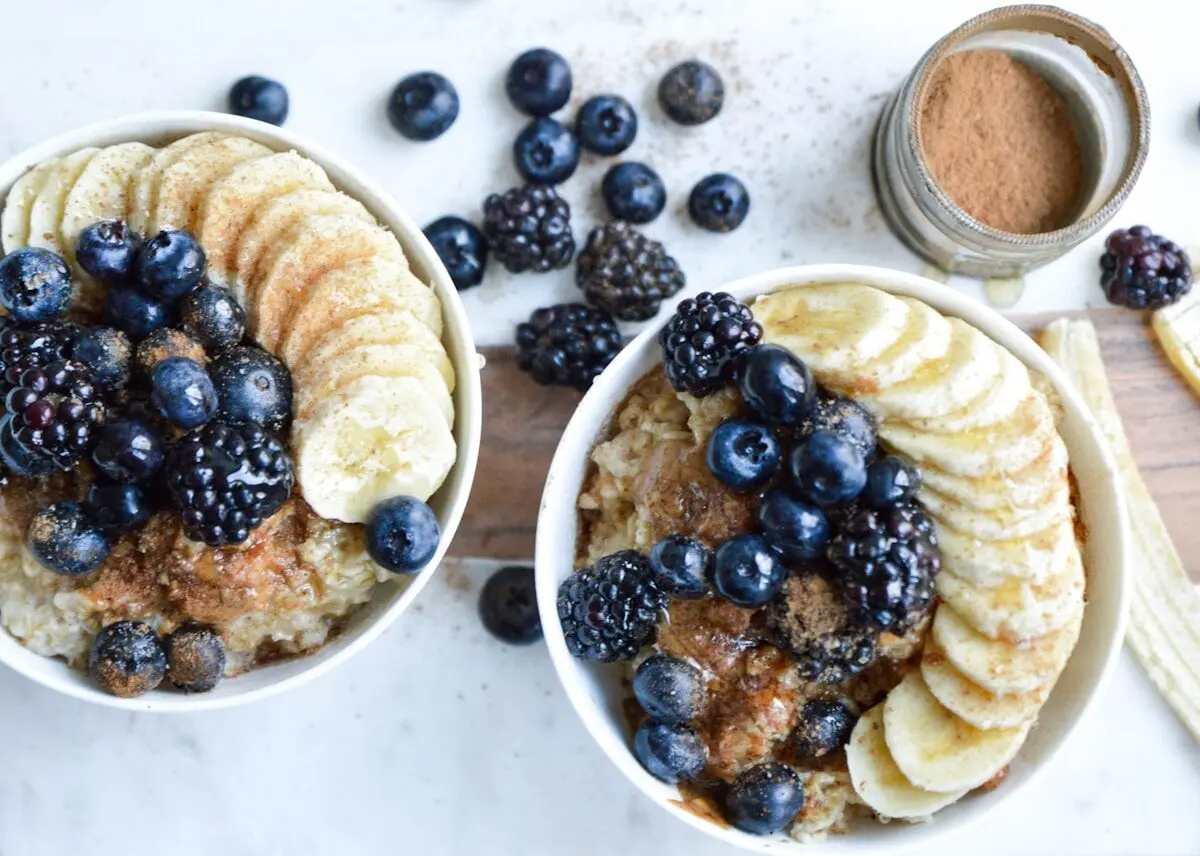
Daily menu ideas: oatmeal with kefir, blueberries, and chia seeds; sauerkraut with cheese and a slice of apple; plain yogurt with berries and ground flaxseed. These combinations also help control weight: fiber slows sugar absorption and triggers hormones that reduce appetite, so you stay full longer.
2. Calcium and vitamin D
Calcium is essential for strong bones and teeth, but the body can’t use calcium fully without enough vitamin D. The combination of both nutrients matters for absorption and bone remodeling.
Some foods contain vitamin D, such as eggs and fatty fish, but we synthesize most vitamin D when sunlight hits the skin. People who live far from the equator or don’t spend enough time outdoors often struggle to get enough vitamin D year-round.
Magnesium is another important partner for producing and activating vitamin D. Magnesium is required by the enzymes that synthesize and convert vitamin D. Men are generally recommended about 300 mg of magnesium per day and women about 270 mg. Good sources include leafy greens like spinach and kale, plus nuts and seeds.
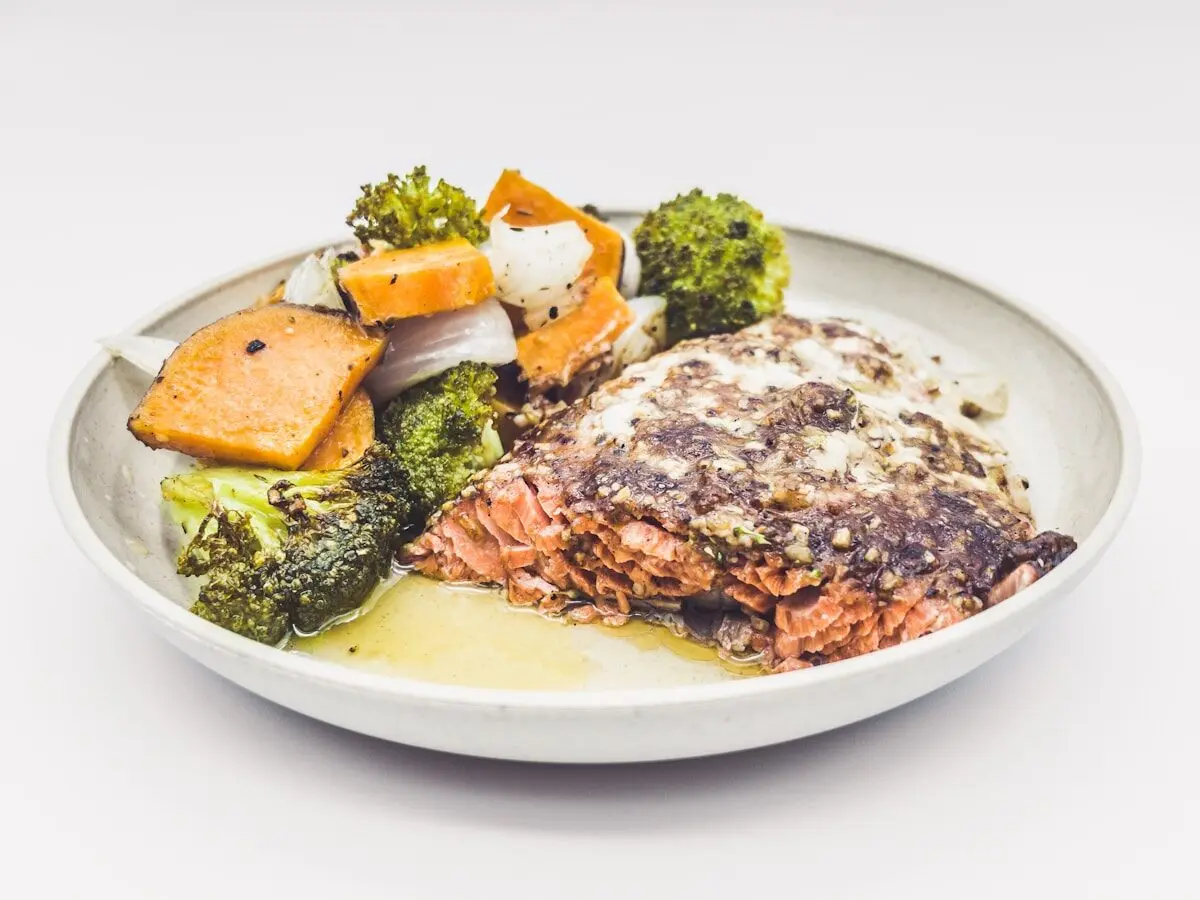
Daily menu ideas: fortified cereal with milk; salmon with broccoli or a salad of salmon, spinach, and flaxseed; asparagus salad with feta and pine nuts.
3. Iron and vitamin C
Iron helps the body make hemoglobin, the protein that carries oxygen in the blood. Iron deficiency can lead to anemia with symptoms like fatigue, shortness of breath, and heart strain. Dietary iron comes in two forms: heme iron, found in meat and fish, and nonheme iron, found in plant foods such as spinach, legumes, and lentils.
Nonheme iron absorbs less efficiently, so it helps to pair it with components that boost absorption. Vitamin C increases iron absorption by acidifying the intestinal environment. One study found that consuming vitamin C with iron in the same meal increased iron absorption by 67%.
Research also shows the biggest effect comes from combining them during a single meal. Vitamin pills containing ascorbic acid are less effective at improving iron absorption than preparing iron-rich and vitamin C–rich foods together. If you take iron supplements, take them with orange juice or eat them with foods high in vitamin C to maximize benefit.
Another way to boost iron absorption is pairing iron-rich foods with allicin from onions and garlic. Chopping or crushing garlic and onions before cooking activates the enzyme alliinase and increases allicin formation.
Combining legumes, which supply plant protein and nonheme iron, with onion or garlic offers clear advantages: it improves iron absorption, reduces inflammation, and helps control blood sugar and blood lipid levels.
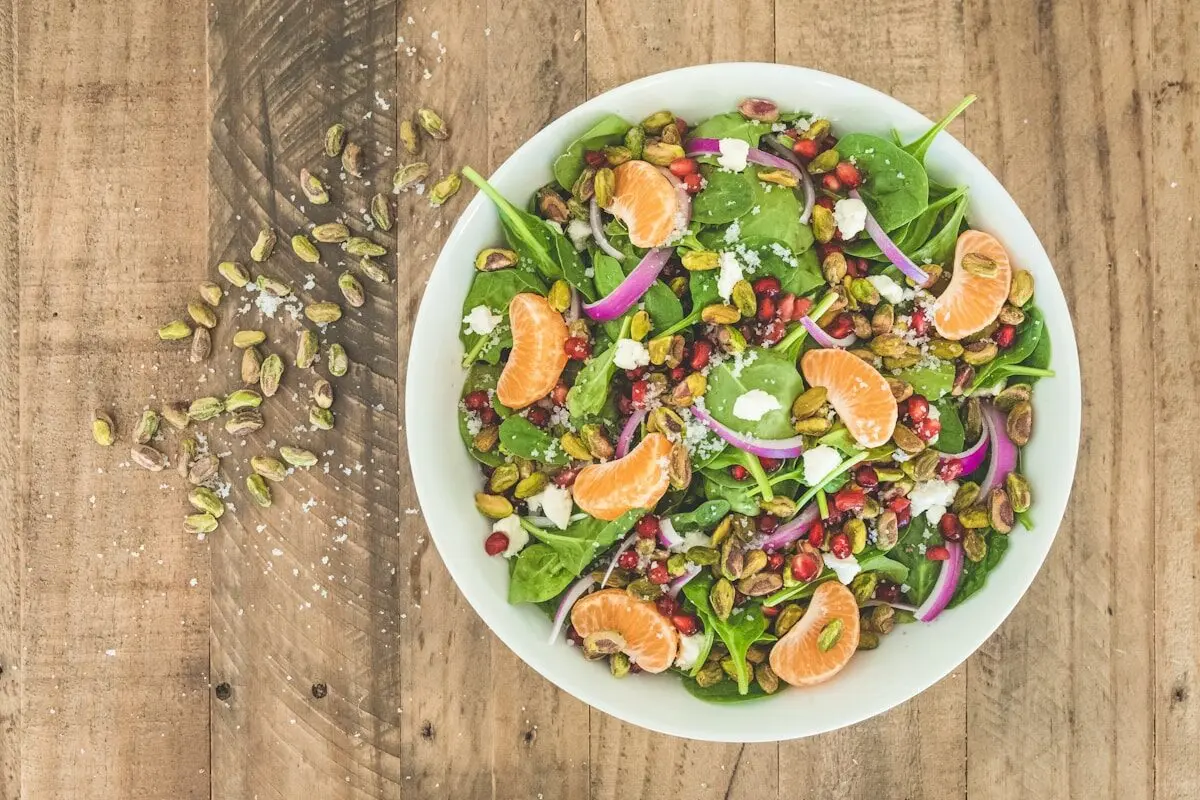
Daily menu ideas: tomato stew with lentils and sautéed garlic and onions; hummus with roasted red pepper and fresh garlic; spinach and mandarin salad with red onion.
4. Fats and lycopene
Some important nutrients don’t dissolve in water and need dietary fat to move through the gut’s watery environment and reach cells. When fat-soluble compounds meet dietary fat, they pack into tiny fat droplets called micelles that transport them to intestinal cells for absorption.
Fat-soluble nutrients include vitamins A, D, E, and K, plus carotenoids—the bright pigments in fruits and vegetables. A diet too low in fat can reduce the availability of these nutrients and affect eye, skin, and bone health, as well as immune function and tissue repair.
Lycopene, a carotenoid with antioxidant properties, helps protect skin from sun damage and aging. Lycopene occurs in tomatoes, red peppers, red cabbage, and watermelon. Cooking those foods breaks down cell membranes and makes lycopene more available. One study found that cooking tomatoes for 15 minutes can double the amount of lycopene the body can use.
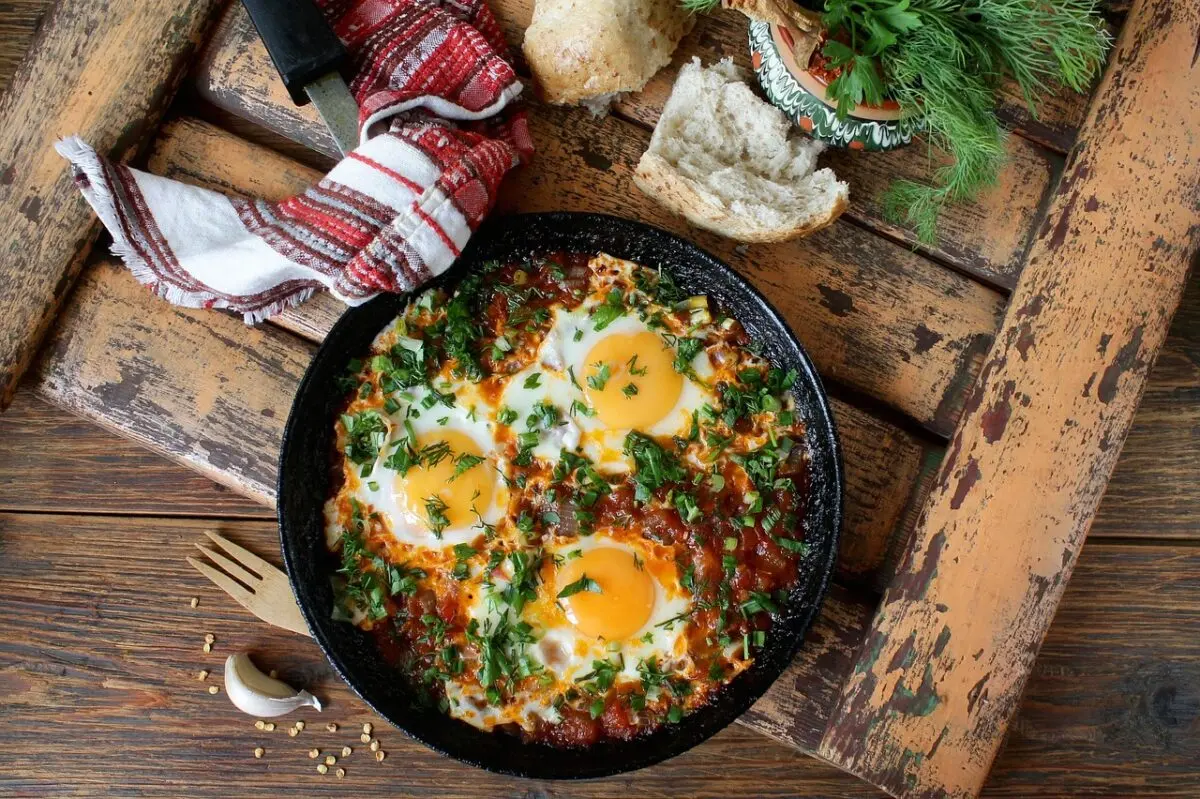
Daily menu ideas: roasted Mediterranean vegetables in olive oil; pasta with tomato sauce; shakshuka. To use the fat-lycopene synergy, add a little olive oil to these dishes.
5. Curcumin and piperine
For thousands of years, turmeric has been valued for its calming, anti-inflammatory effects. Curcumin, the polyphenol responsible for many of those effects, shows antioxidant and anti-inflammatory activity, but its bioavailability is usually low because the gut absorbs it poorly and the liver clears it quickly.
Black pepper contains piperine, which slows curcumin’s breakdown in the liver. A small study found that combining piperine with curcumin increased curcumin levels in the blood by about 2,000%.
Add a pinch of black pepper to an Indian curry or a Moroccan tagine to take advantage of the curcumin-piperine synergy.
Many studies show curcumin’s anti-inflammatory and antioxidant potential, but researchers have not turned curcumin into a pharmaceutical drug. Food can have therapeutic properties, but it is not a medicine. Turmeric does not replace anti-inflammatory medications, yet as part of a balanced diet it can boost flavor and may benefit joints, the brain, and metabolism.
Small changes in your menu—like pairing berries with oatmeal, tomatoes with olive oil, or spinach with garlic—can deliver noticeable health effects. These culinary combinations are grounded in science and don’t require exotic ingredients or strict diets.
Based on material from BBC Science Focus
