
 Carlos Solis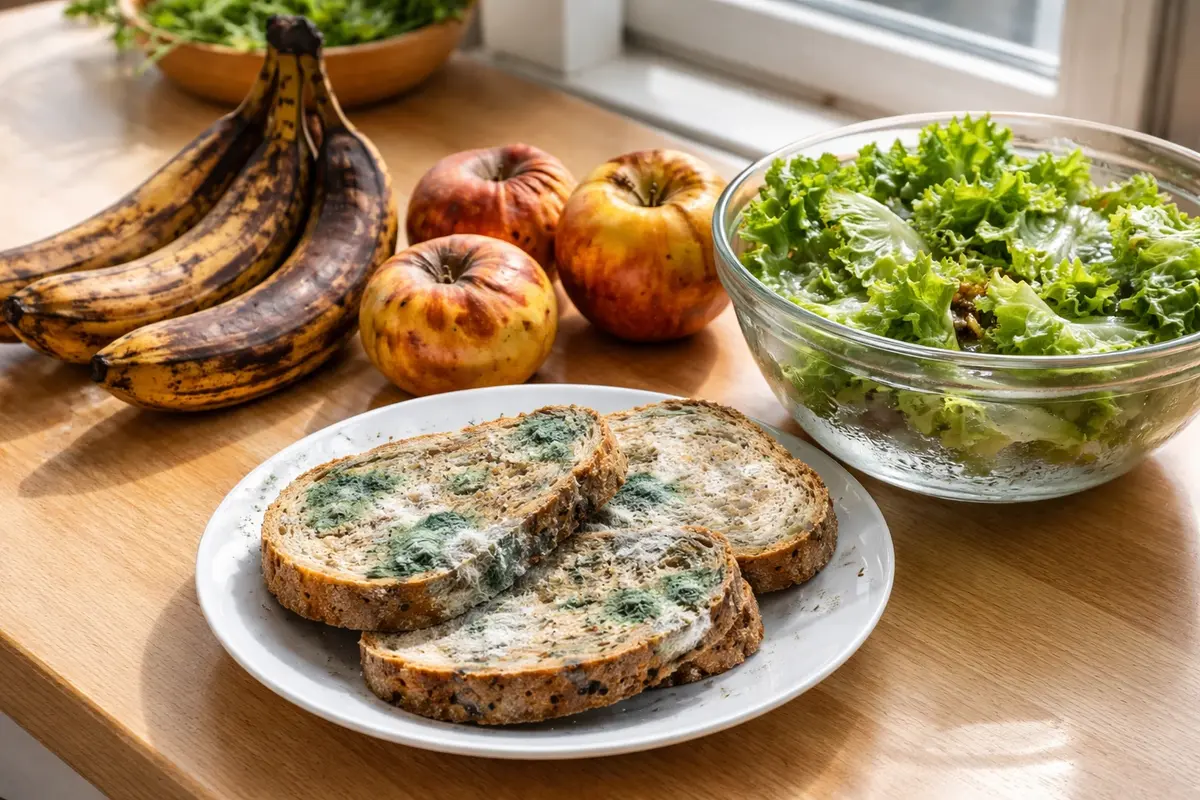
High food prices make throwing food away feel painful. That pressure pushes some people to try to extend a product’s life and to make riskier storage choices.
Four clear signs you should throw food away:
- visible mold
- slime on the surface
- leaking liquid from the package or product
- sharp, sour, or unpleasant odors
If one or more of these signs appear, it’s safer to discard the item. Doing so prevents food poisoning, which causes stomach pain, nausea, vomiting, and diarrhea.
What you can save — and what to toss: tips for major food groups
Fruits
Brown or black spots may look unappealing, but they’re fine to use in baking, pancakes, or smoothies. Overripe fruit works well for making jam, baking, or grating. Citrus rinds get tough and dry with age, but you can still use zest for baking and the flesh in drinks, dressings, and marinades.
If you see mold on large, firm fruit, you can usually cut it away by removing at least a few centimeters around the affected spot. On soft or small berries, mold means you should toss the fruit.
Vegetables
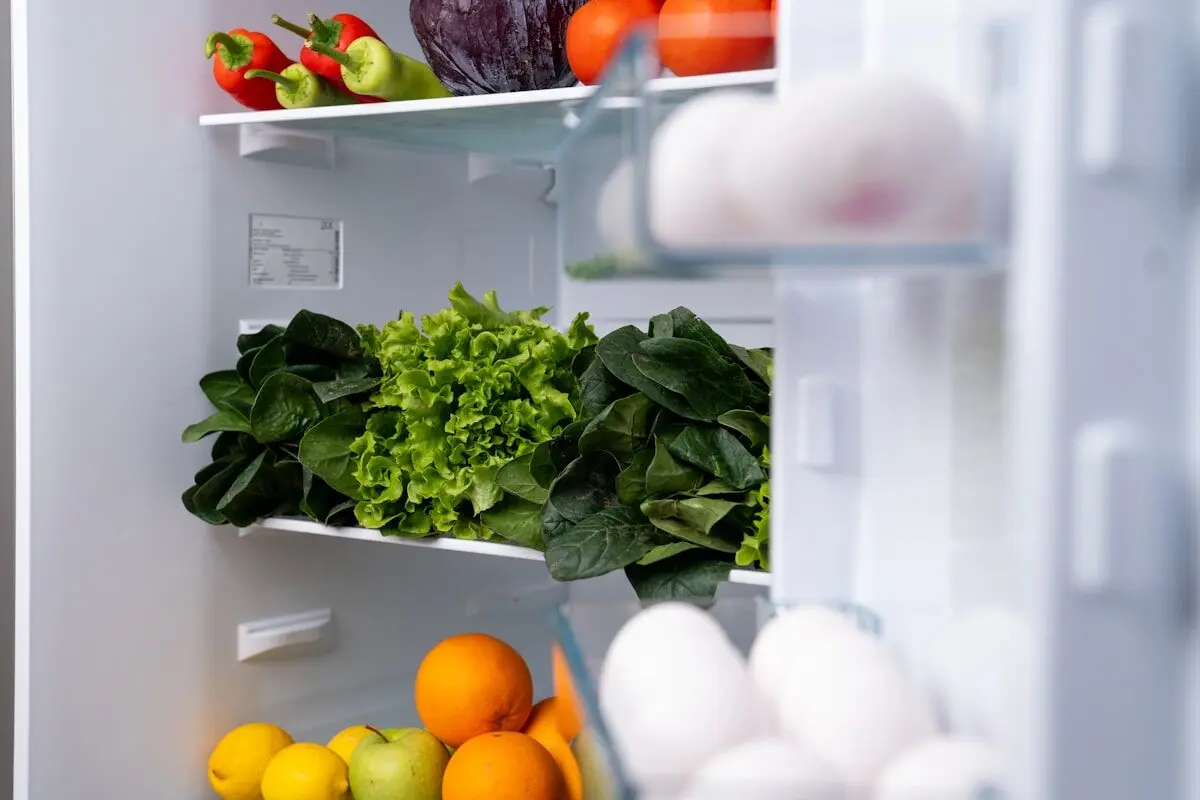
You can revive leafy greens like lettuce or spinach by separating the leaves and soaking them in ice water for at least 30 minutes.
For dense vegetables such as potatoes, carrots, or squash, cut away damaged or darkened spots and then roast, mash, or add them to soups. Watch for heavy greening or sprouting on potatoes, because those areas can contain natural toxins that are harmful if eaten in large amounts.
Button mushrooms sometimes develop a fluffy white coating — usually mycelium rather than mold. Mold on mushrooms often appears as distinct bright patches of blue, green, gray, or yellow.
Grains and bread
Mold on bread means you should throw it away, since mold can spread quickly through porous foods. Stale but mold-free bread can be toasted, turned into croutons, or dried into breadcrumbs. Bread stores best in a dry spot, such as a bread box or a paper or cloth bag, which slows mold growth.
Leftover cooked rice or pasta can be used in stir-fries or casseroles for up to two days if you cool them promptly and correctly in the fridge. Reheat leftovers until they are very hot, or at least to 60°C (140°F). When reheating in the microwave, stir to ensure even heating.
Throw away leftovers that sat at room temperature for two hours or more, because bacteria can grow and reheating won’t reliably kill them.
Dairy
Because we often eat milk and yogurt without cooking them, it’s safer to discard dairy after its expiration date. To slow spoilage, use clean utensils and return jars or containers to the fridge immediately.
Throw away soft cheeses that show mold, because mold’s roots can penetrate deep into the cheese. Hard cheeses, like Parmesan, are less prone to mold; you can save them by cutting away the affected area with a generous margin. Wrap cheese in waxed or parchment paper and place it in a container for storage.
Quick safety rules
- If you see mold, slime, leakage, or an unpleasant smell, throw it out.
- Dry or shriveled products are often just old, and you can still use them in cooking.
- Cooling leftovers quickly and properly, using clean utensils, and storing food in a dry place reduce the risk of spoilage.
A little awareness and creativity help you cut food waste and save money while keeping yourself safe.
Based on material from The Conversation
