
 Carlos Solis
Dr. Baw Shergill, a consultant dermatologist who treats skin cancer and is a member of the British Association of Dermatologists, shares simple ways to make your skincare more effective. Here are his nine top tips.
1. Cleansing and moisturizing
For most people, a basic cleanser and a moisturizer are enough. Also, use sunscreen when you go outside. Avoid complicating your routine unless you have a specific reason.
2. Some skin conditions need a different approach
There are about 3,000 skin diseases, such as eczema or psoriasis. If your skin flakes, feels dry, or looks red, a doctor might recommend a targeted care plan. Moisturizers help restore hydration, and short courses of steroid creams can reduce inflammation.
3. Moisturizers don’t add water to your skin
That’s a common misconception. Moisturizers form a protective barrier and help the skin move water naturally from deeper layers to the surface.
4. Expensive creams aren’t always better
Sometimes we pay extra for the brand, packaging, and image, and assume a higher price means more value. If you have a specific concern, spending a little more on a product with the right ingredient can make sense. For example, products with vitamin B3, known as niacinamide, can help people with brown patches of skin called melasma.
5. How anti-aging products work
Peer-reviewed studies show that vitamin A derivatives, like retinol and tretinoin, can improve the appearance of fine lines. They stimulate collagen production and even out skin tone, helping fade spots. High concentrations can cause irritation, so be cautious with stronger formulas.
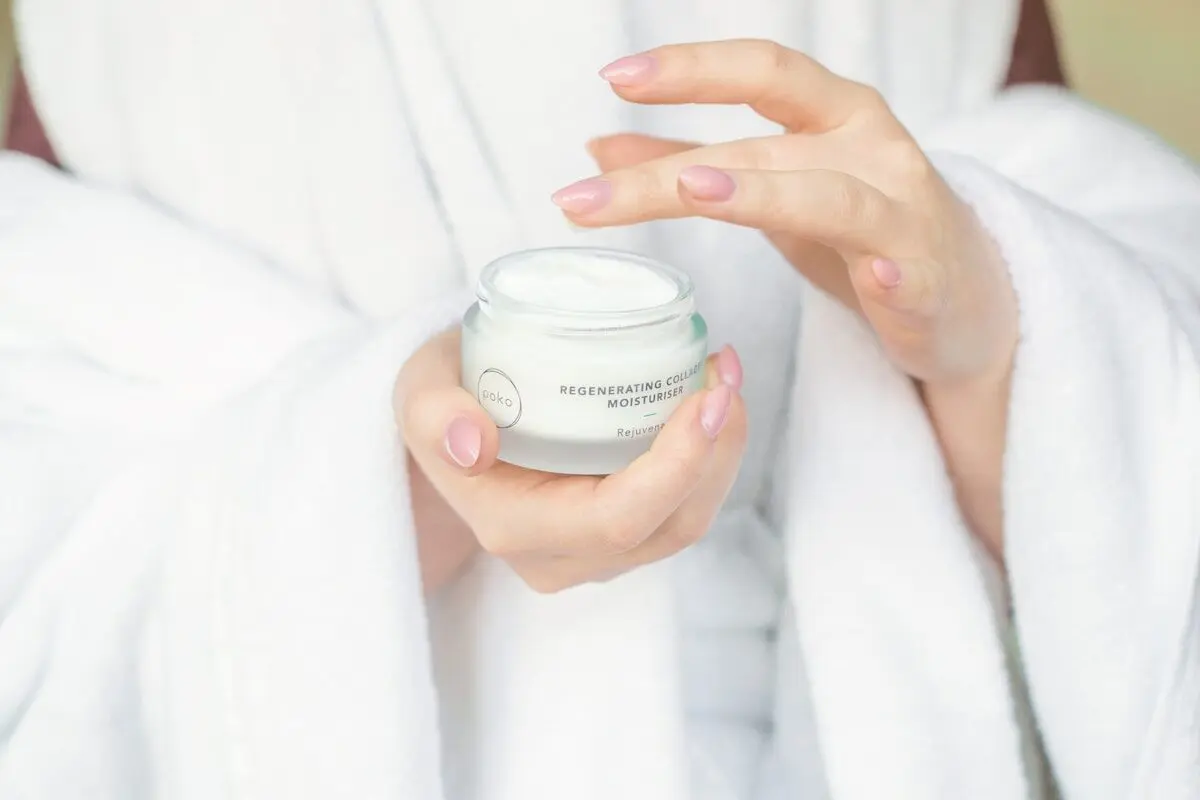
6. Men’s and women’s products are usually the same
The difference usually comes down to packaging and scent. Personally, I like the blue jar of my products, so yes—I’ve fallen for branding too.
7. You don’t always need separate day and night creams
Separate formulas usually aren’t necessary. If you use a retinol product, it’s best to use it in the evening because retinol can increase your skin’s sensitivity to the sun.
8. Cut back on alcohol
When your body is dehydrated, your skin suffers too. Drinking enough water and maintaining a healthy diet help. Foods or supplements with vitamins C and E are helpful because these antioxidants protect against free-radical damage.
9. Think about clothing and hats
During sunny months, a wide-brimmed hat worn from 11 a.m. to 3 p.m. offers strong protection. This is especially important for men with thinning hair. People often get sun damage where their hair has thinned and they think they’re protected.
This article is adapted from BBC Science Focus.
