
 Carlos Solis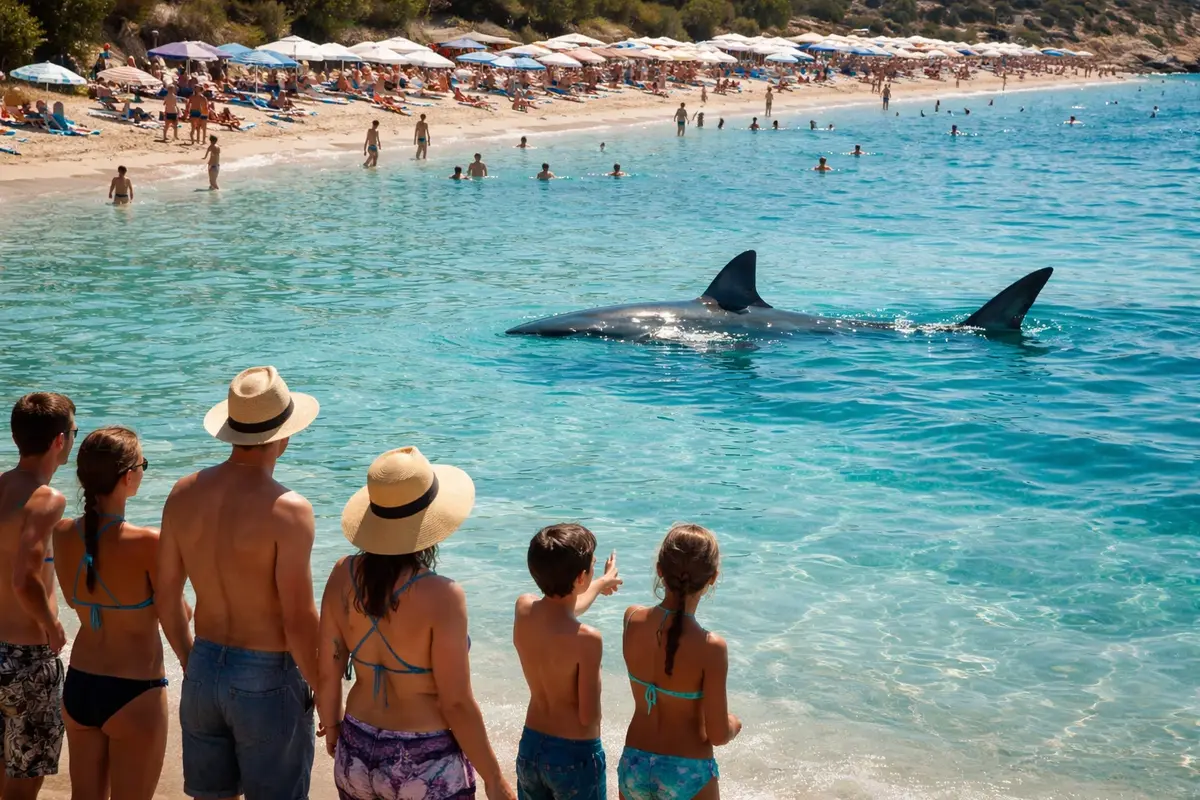
Dr. Loren Smith, a shark expert at Saltwater Life, told the Daily Mail the shark was spotted well away from coastal resorts, and there’s no reason to panic. The ocean is these animals’ natural home — encounters require respect and caution, not fear.
Where Shark Attacks Happen Most Often
The International Shark Files database, which records incidents back to the 15th century, shows the United States led the world in unprovoked bites in 2025. In total, 2025 saw 65 attacks worldwide; nine of them were fatal.
The country breakdown in 2025 looks like this:
- United States: 25 attacks, or 38% of the global total;
- Australia: 21 attacks;
- the Bahamas: 5 attacks;
- New Zealand: 3 attacks;
- Vanuatu: 1 attack.
Florida has a dubious title as the shark-attack capital — it recorded 11 incidents in 2025, accounting for 17% of all unprovoked attacks worldwide.
International Shark Files counts only “unprovoked” attacks — cases where a person did not deliberately or accidentally initiate contact with a shark. Incidents such as jumping on fish while fishing, spearing fish, or freeing a shark from a hook or net are excluded from the database.
Why Australia Has More Fatalities
In 2025 Australia had one of its worst years for shark bites in recent memory — 21 incidents versus a five-year average of 13. Those accounted for 56% of the world’s fatal attacks.
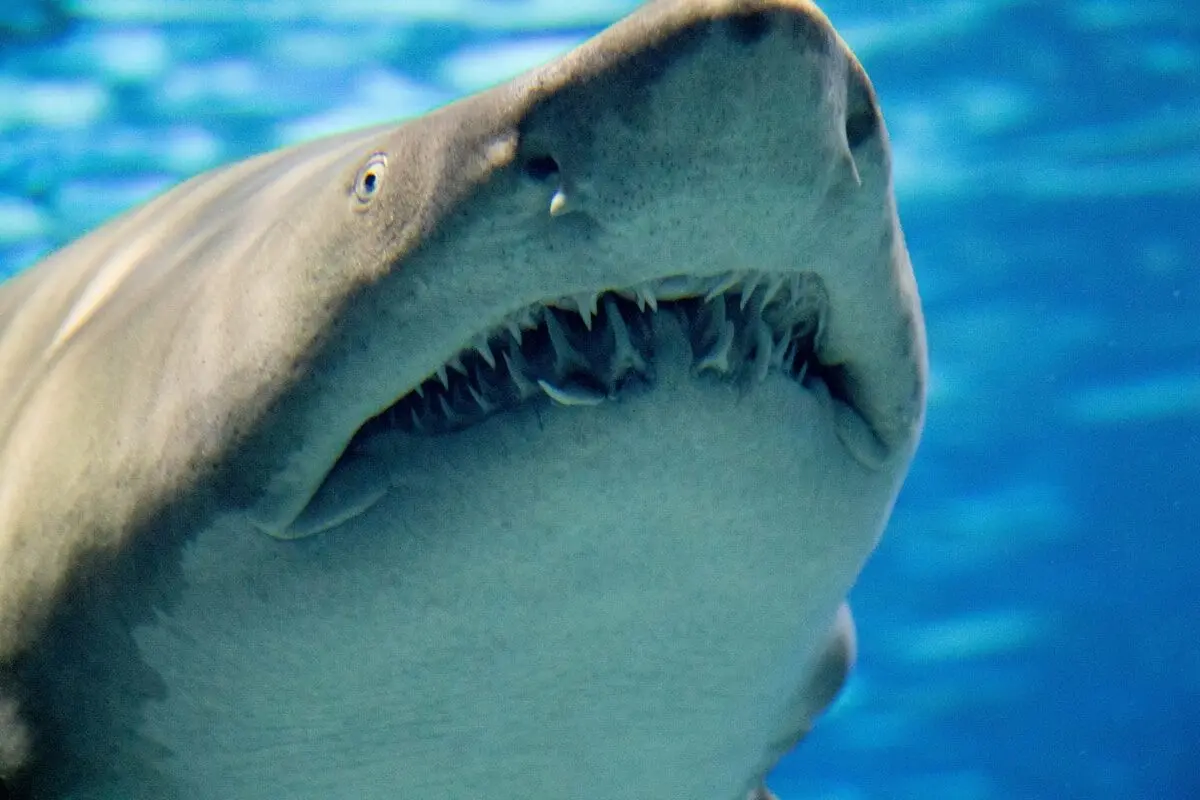
Part of the reason is Australia’s “big three” — bull, tiger, and great white sharks. A great white can reach six meters in length, and its jaws are packed with serrated teeth. Even an investigatory bite from one of these animals can be fatal because of its size and force.
Many Australian resorts maintain strong beach-safety systems, including helicopters to evacuate the injured, but the remoteness of some beaches can make prompt medical help difficult.
Population and Risk Trends
Although the annual number of bites has remained relatively steady over recent decades, shark populations worldwide have declined sharply because of overfishing and climate change. Of roughly 1,200 shark species, about 30% are classified as threatened — a large share given that sharks have survived on Earth for about 330 million years.
Experts emphasize the chance of being attacked by a shark is extremely low. By comparison, lightning is estimated to kill about 24,000 people each year and to injure roughly ten times that number.
How to Reduce Your Shark-Attack Risk
- Swim in a group. Sharks are more likely to target lone swimmers.
- Don’t swim far from shore. Solo swimmers can become isolated and far from help.
- Avoid the water at dawn and dusk, when sharks are especially active.
- Avoid entering the water with open bleeding wounds; take extra care during menstruation.
- Remove shiny jewelry; reflections can resemble fish scales.
- Avoid areas with visible sewage outflows and places where fishermen are active, especially if you see feeding activity or schools of fish.
- Be cautious in murky water and avoid high-contrast or very bright clothing; sharks detect contrasts well.
- Avoid excessive splashing and keep pets out of the water; erratic movements attract predators.
- Steer clear of sandbars and steep drop-offs — sharks favor these hunting spots.
- Stay out of the water if sharks are known to be present, and exit immediately if you spot one.
