
 Carlos Solis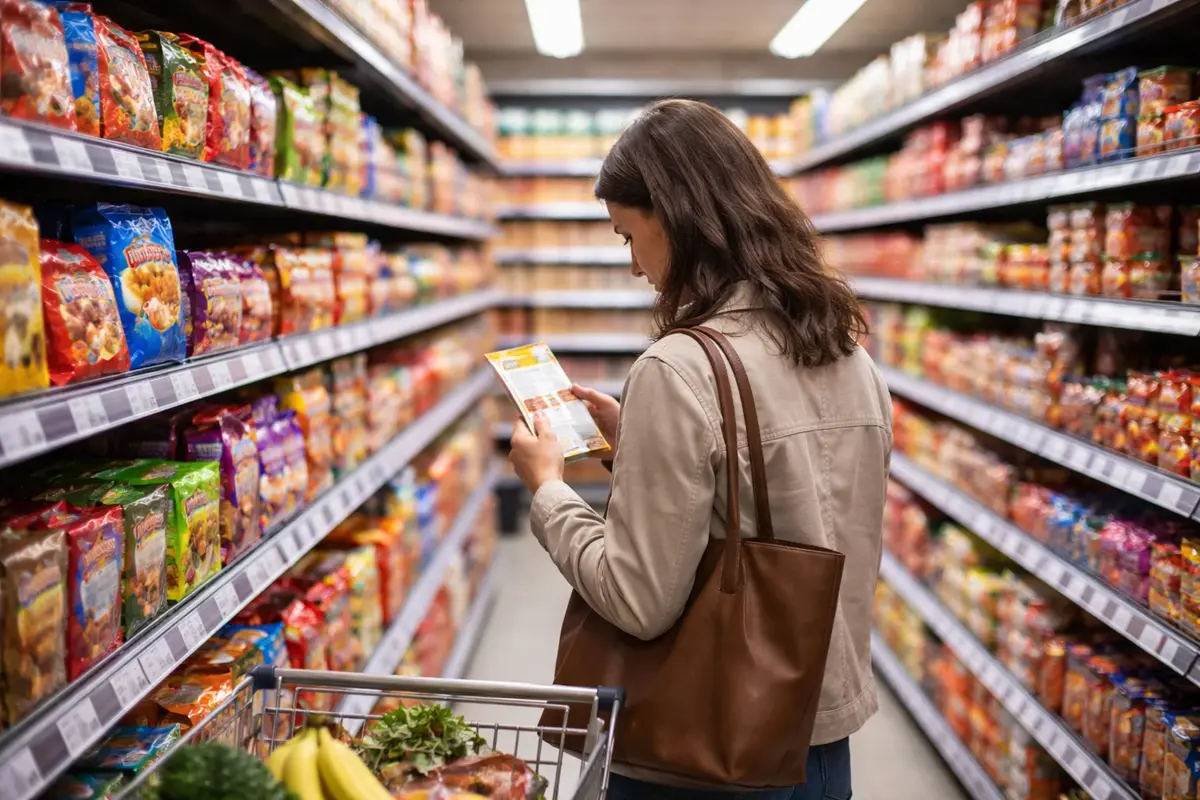
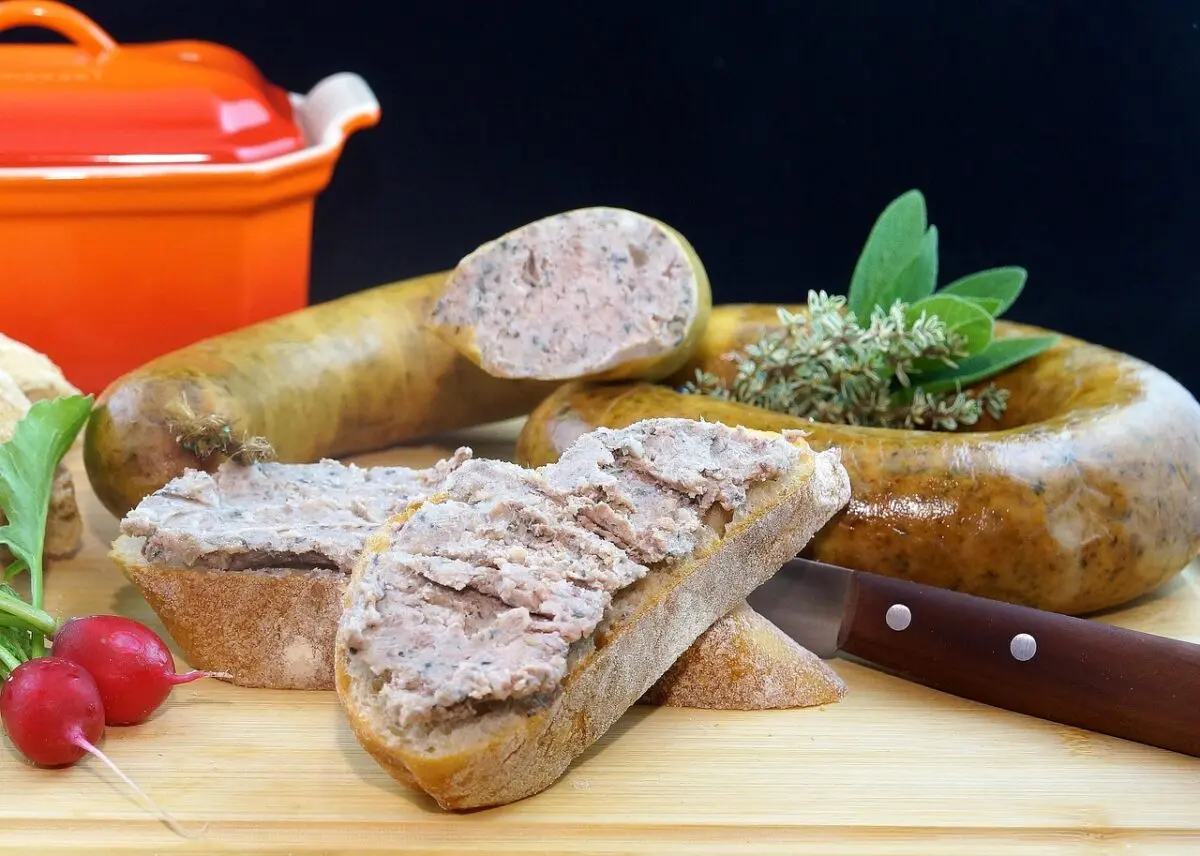
This category covers any food made industrially using ingredients or techniques rarely used in home kitchens. Strawberry yogurt with added flavor, whole-grain breakfast cereals, steak “pâtés,” protein bars, gummy bears, hot-dog sausages, supermarket cupcakes, microwave lasagna. The list of can feel endless.
Many studies link eating these products to higher risks of obesity, type 2 diabetes, heart disease, and some cancers. If you read long ingredient lists on ready meals closely, it’s easy to assume additives and preservatives are the culprit.
Additives Are Part of the Problem — But Not the Whole Story
There is evidence that some food chemicals can harm health. For example, certain colorings have been tied to hyperactivity in children, some preservatives in processed meats are linked with higher cancer risk, and certain emulsifiers can damage the gut microbiome.
Scientists are increasingly pointing to a less obvious mechanism: food texture. “The reason ultra-processed food is so bad for us isn’t just the additives and emulsifiers,” says Professor Sarah Berry, a nutrition scientist at King’s College London. “These products usually have altered textures — they’re very soft. That makes people eat them faster, and so they eat more.”
How Eating Speed Affects Calorie Intake
An influential study by Kevin Hall in the U.S. provides a clear example. Over four weeks, 20 participants alternated two-week periods on either a minimally processed or an ultra-processed diet, then switched diets. The menus were matched for calories, carbohydrates, protein, fat, sugar, salt, and fiber, and participants could eat as much as they wanted.
When people ate the ultra-processed diet, they consumed on average about 500 more calories per day — mostly from fats and carbohydrates — and gained nearly 1 kg in two weeks.
The analysis revealed one obvious difference between the diets: participants ate the ultra-processed meals faster. Soft foods are easier to chew and swallow, and industrial processing often breaks down the natural structure of ingredients to create tender, “melting” textures that need little chewing.
“We’ve long shown that if you eat faster, you’ll consume more energy,” says Professor Kieran Ford from Wageningen University in the Netherlands. His research shows that speeding up the pace of eating by 20 percent typically leads to about 15 percent higher calorie intake.
People who generally eat quickly are more likely to be , have high blood pressure, and face a higher . The explanation is simple: the first phase of digestion starts in the mouth. Chewing triggers chemical processes that signal the brain about fullness. There is a short delay between starting to eat and feeling satisfied. If food is too soft and needs little chewing, a person can eat a large portion before the fullness signal arrives.

Texture Matters
Some ultra-processed foods are crunchy or chewy, like protein bars or granola with nuts. Wouldn’t those textures slow eating? Ford wanted to know, so he ran a follow-up experiment.
Participants followed two diets that were about 95 percent ultra-processed, but the key difference was texture. One diet emphasized chewier, crunchier, firmer items that promoted slower eating. The other featured softer, airier, moister foods that made fast eating easier.
“The result was striking,” Ford says. Without giving any instructions, simply offering familiar supermarket items, people ate on average about 370 fewer calories when they ate the slower-texture diet. The faster-eating group not only consumed more calories but also added nearly 500 g of body fat, while the slower group did not.
Research continues to explore how additives, texture, and energy density interact over the long term to affect health. For now, scientists advise looking not only at the ingredient list but also at how quickly and easily you can consume a product. That perspective helps explain why some ultra-processed foods drive weight gain more than others.
Based on BBC Science Focus
