
 Gaby
GabyA fossilized skull unearthed in Antarctica links prehistoric birds to their modern descendants, a new study from Ohio State University reports. The find supports the idea that all living birds trace their origins to Antarctica. The remarkably well-preserved skull belonged to a waterfowl called Vegavis iaai. That bird lived about 69 million years ago—more than two million years before the asteroid that wiped out the nonavian dinosaurs.
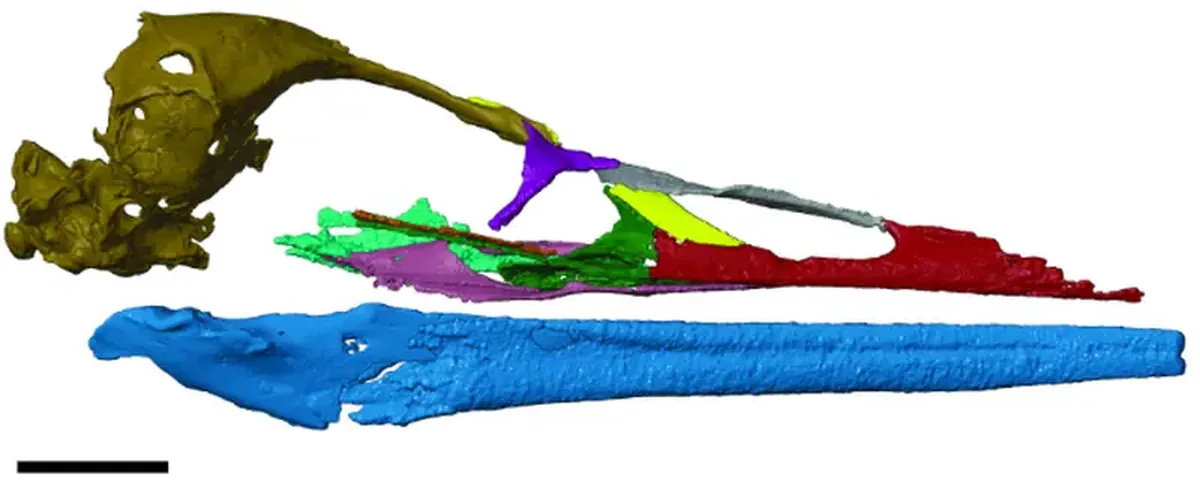
What makes this discovery so important? The skull had a long, pointed beak and a brain shape unlike any other known Mesozoic bird. When Vegavis iaai was first described 20 years ago, some paleontologists argued it showed modern avian traits while others doubted modern birds existed before the end‑Cretaceous asteroid. Until now, researchers lacked a relatively complete skull for Vegavis iaai. Finally, they found one. “Few birds have sparked as much debate among paleontologists as Vegavis iaai,” said lead author Christopher Torres. He believes this fossil will help answer many of the outstanding questions about its place on the avian tree of life.
Bird fossils are fragile, so few bones from that era survive in such good condition. All other Vegavis iaai specimens found previously were either headless skeletons or skull fragments. The species probably survived the mass extinction because it lived in Antarctica, which then had a temperate climate and lush vegetation, while much of the rest of the planet was inhospitable to life, ScienceAlert reported.
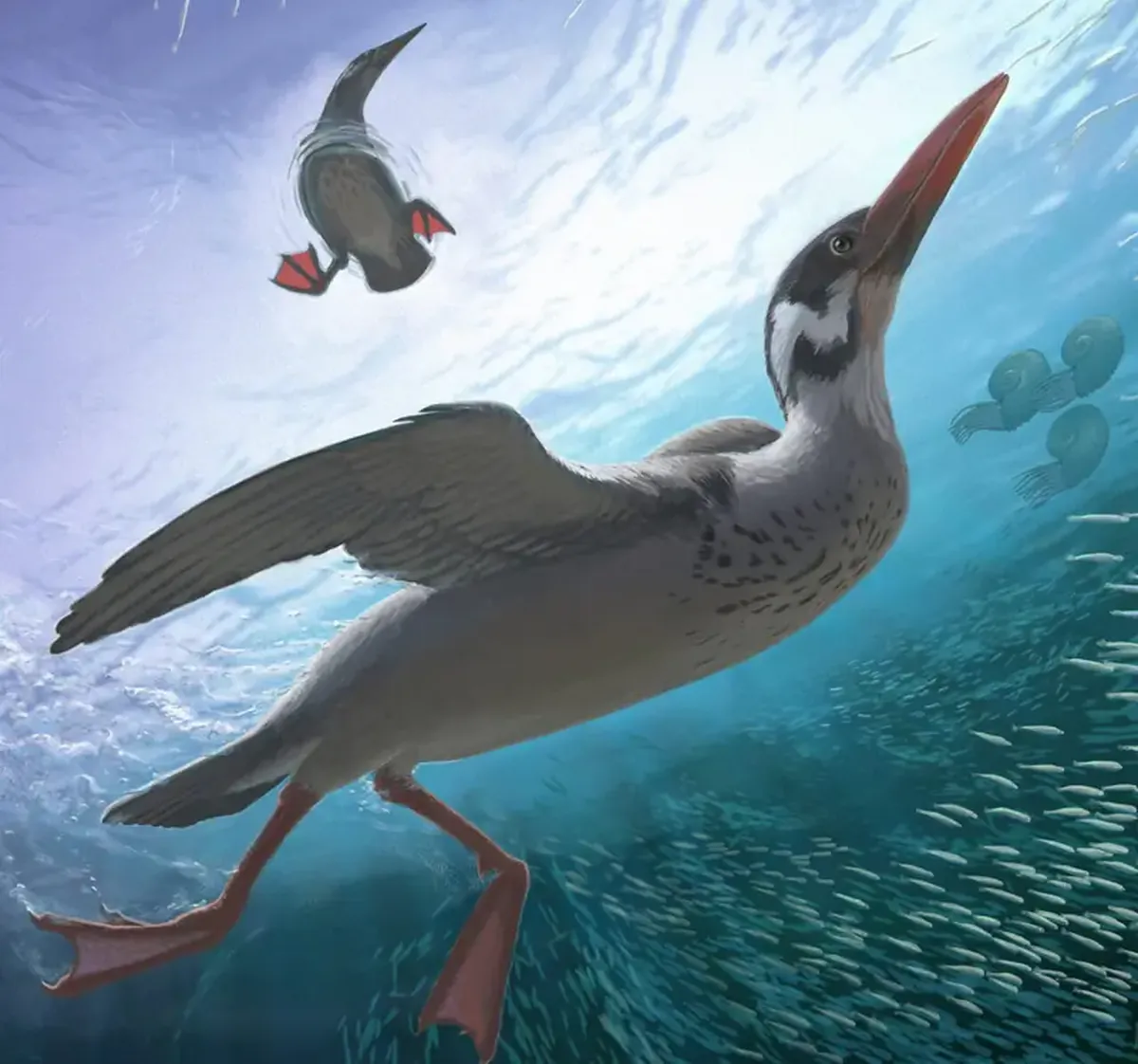
To study the skull, paleontologists used X‑ray micro‑computed tomography and built a 3‑D digital model of what may be the oldest “modern” bird. That let them examine the braincase, palate, rostrum, lower jaw, and overall brain shape. The specimen showed clear modern waterfowl features. Its slender, pointed beak and powerful jaw muscles for catching fish tie Vegavis iaai to today’s diving birds, like grebes and loons. The bird also had a well‑developed salt gland near the nostrils, which helps marine birds excrete excess salt from a seafood‑rich diet. The rest of the skeleton matched an aquatic lifestyle: its legs were positioned for powerful swimming and chasing prey underwater.
“The few places where significant late Cretaceous bird fossils have been preserved, such as Madagascar and Argentina, showcase strange extinct species with teeth and long bony tails that only vaguely resemble modern birds,” said paleontologist Patrick O’Connor, a co‑author of the study. “Something entirely different was likely happening in the far reaches of the Southern Hemisphere, especially in Antarctica.” The results of the study were published in the journal Nature.
