
 Gaby
Gaby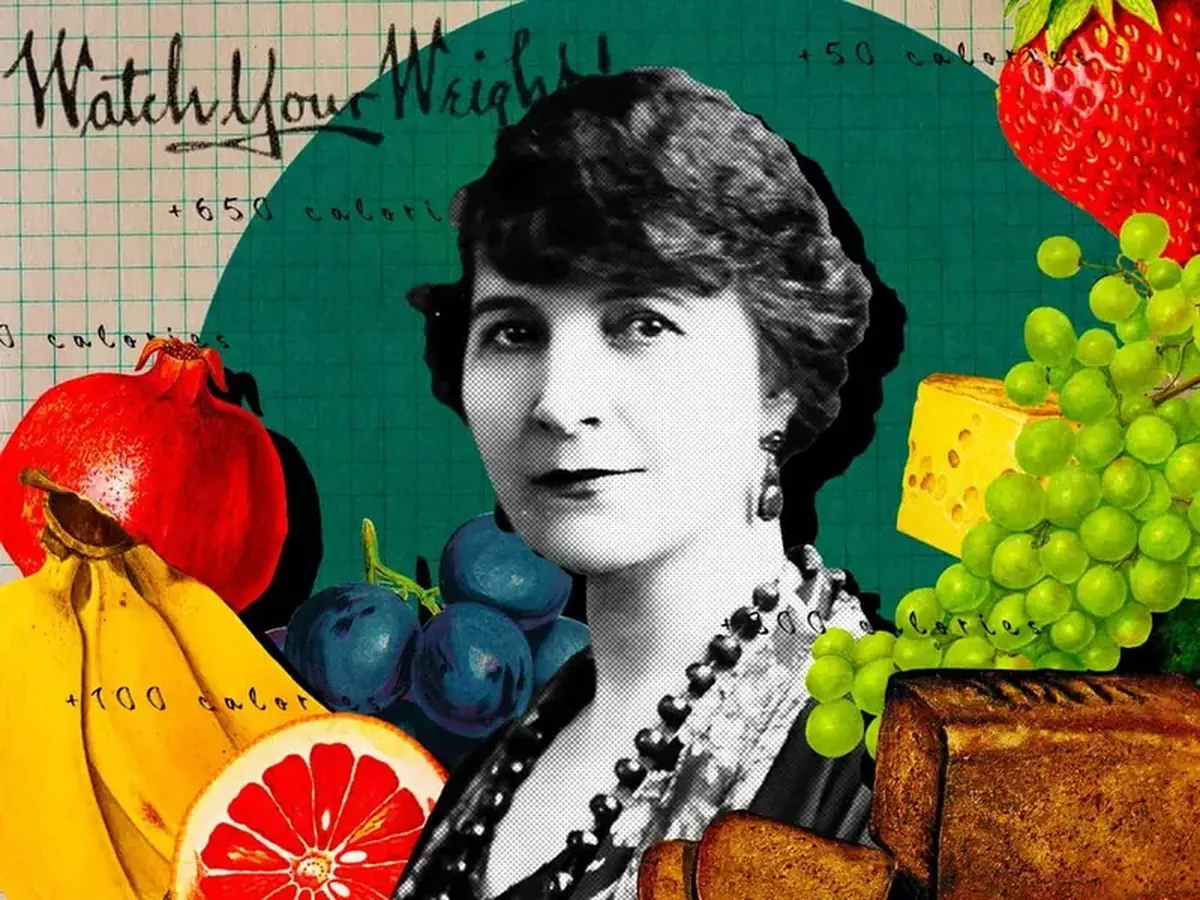
In 1909, Lulu Hunt Peters achieved a rare accomplishment for a woman of her era. She earned her Doctor of Medicine degree from the University of California at a time when fewer than five percent of American medical students were women. Peters was the first woman to intern at the Los Angeles County General Hospital. For a time she managed the pathology lab and later led the health committee of the California Federation of Women’s Clubs. Peters frequently lectured on wellness and child nutrition.
But she went down in history for a different, more personal reason. When Lulu Hunt Peters turned 40, she noticed her figure had changed during her career and decided to do something about it. She discovered a weight-loss method and shed 30 pounds. Her approach proved workable for decades. The essence of that approach was strict calorie counting, as reported by Smithsonian Magazine.
How It All Began
Today even schoolchildren know about counting calories. Yet few people think about where the idea came from. Over a century ago the idea of counting calories moved out of laboratories and into public life, largely because of Peters. She actively promoted the practice and helped turn it into one of the most enduring ideas about diet and nutrition. That approach gave people a new way to understand the foods they ate and a simple model for managing their diets.
Eventually Dr. Peters turned her interest in calorie counting into a guidebook published in 1918, which became the first diet bestseller. The book, titled “Diet and Health with Key to Calories,” was playful and full of humor. She enlisted her 10-year-old nephew to help illustrate the guide, and he drew whimsical cartoons of a satirical “Friendly Brotherhood of the Overweight” (a phrase that now reads as politically incorrect).
From the first to the last page, Lulu Hunt Peters celebrated the calorie. “You should use the word ‘calorie’ as often or even more often than you use words like ‘foot,’ ‘yard,’ ‘quart,’ ‘gallon,’ and so on,” she wrote. She added, “When you consume calorie-dense food, instead of saying ‘a slice of bread’ or ‘a piece of pie,’ you should say ‘100 calories of bread’ or ‘350 calories of pie.'” The idea was so simple it made people want to try it.
In 1922 the guidebook landed on the bestseller list and stayed there for four years, competing with works by Mark Twain.
So the story of calorie counting began with one personal success. After losing 30 pounds, Peters wanted to help others do the same. “I will save you just as I once saved myself and many, many others,” she wrote.
