
 Gaby
GabyWhen people are watching, a performer’s effectiveness can swing—sometimes improving, sometimes getting worse—because attention shifts toward managing reputation. Reputation management means taking actions to create a positive image for yourself or your brand. Knowing you’re being watched can subconsciously change your productivity. Researchers at Kyoto University in Japan found that chimpanzees show a similar “audience effect” when they complete computer tasks in lab experiments.
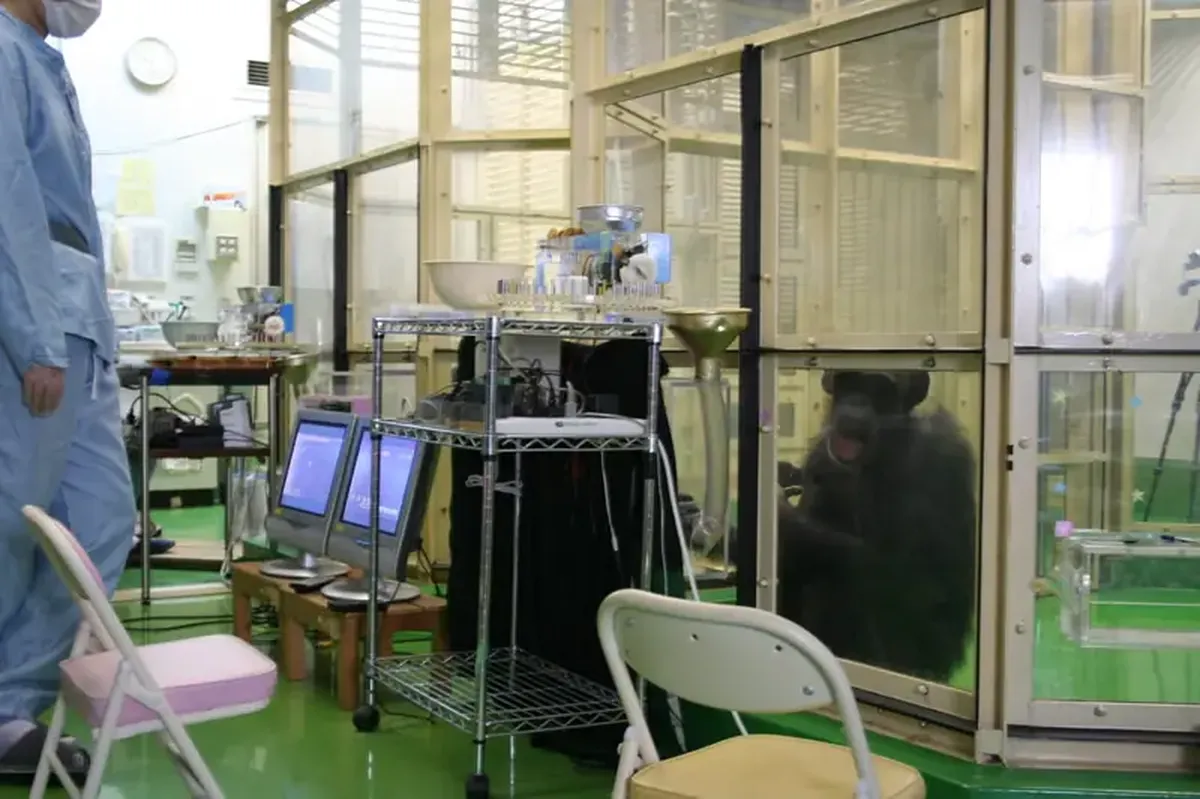
What did the scientists discover? Over six years the Japanese team analyzed thousands of touchscreen sessions to see whether the primates felt the influence of an audience, according to the Independent. The researchers found that the chimpanzees performed better on the most challenging numerical tasks as the number of observers increased. They did, however, struggle more with the simplest tasks when more experimenters were watching them.
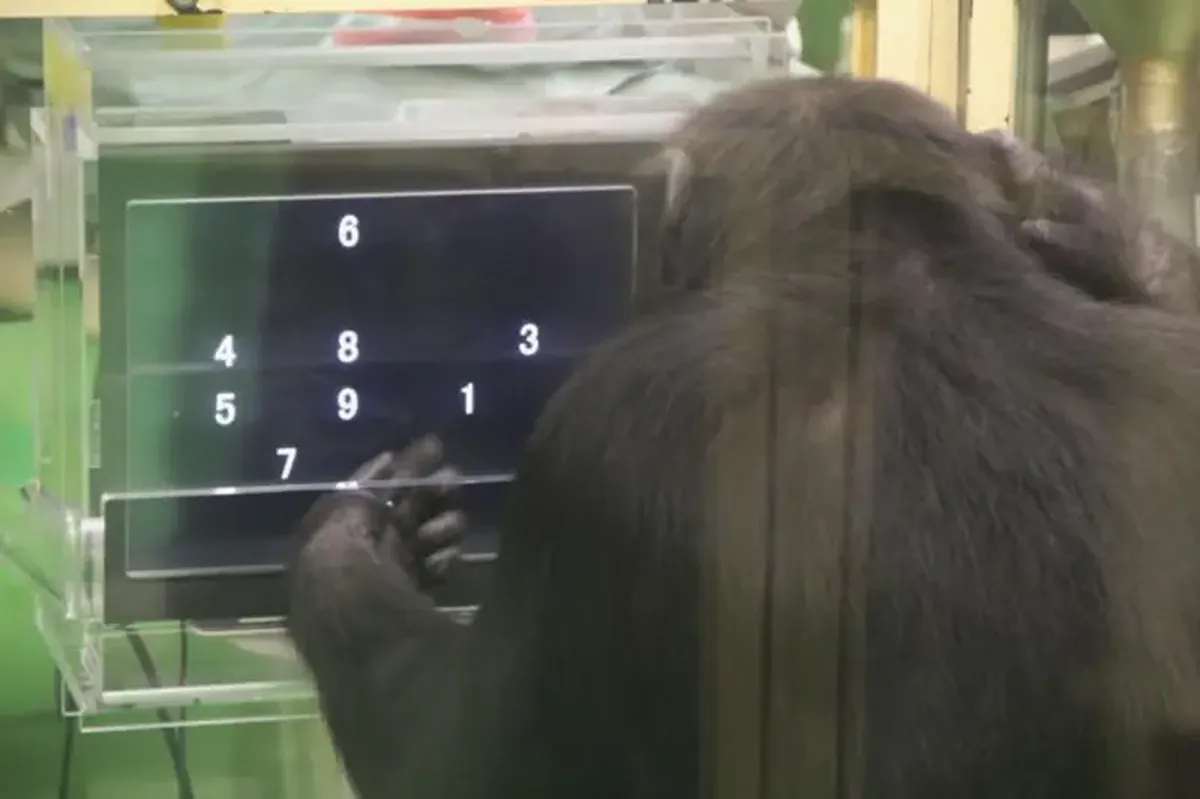
The exact mechanism behind these effects remains a mystery, even in humans. “It was quite surprising to find that chimpanzees are influenced by the presence of human observers while performing their tasks,” said study co-author Kristen Lynn. “You wouldn’t expect chimpanzees to care whether someone is watching them while they work, but the fact that they are affected by people’s presence suggests these interactions are more complex than we initially assumed,” she added.
Co-author Shinya Yamamoto said, “Chimpanzees also pay special attention to their audience while completing their tasks.” He thinks, “It makes perfect sense that this interaction with an audience could have developed even before reputation-based communities emerged in our lineage of higher primates.” The researchers call for more non-invasive experiments with primates to better understand how the “audience effect” evolved and why it exists. The results were published in the journal iScience.
