
 Gaby
Gaby
After brewing your morning tea or pouring your coffee, you might be inclined to toss the leaves or grounds. So, don’t throw them away just yet. A new study suggests these leftovers can offer significant benefits.
A team of researchers from King Faisal University in Saudi Arabia demonstrated that adding coffee grounds or spent tea leaves to baked goods can boost nutrition and extend shelf life. They say this could offer extra health benefits.
These bioactive compounds in coffee and tea waste also contribute to the antioxidant activity of the final product and help inhibit microbial growth during storage.
What Scientists Knew at the Time of the Study
Tea and coffee are the world’s most popular beverages, delivering daily doses of anti-inflammatory compounds, antioxidants, fiber, and other bioactive molecules linked to brain and heart health.
Unfortunately, the way most of us prepare these drinks is wasteful. After extraction, about 90 percent of the original tea and coffee material ends up in the trash.
In recent years, scientists have been exploring ways to make better use of this waste, as reported by Science Alert.
One recent study found that adding charred coffee grounds to cement makes it 30 percent stronger.
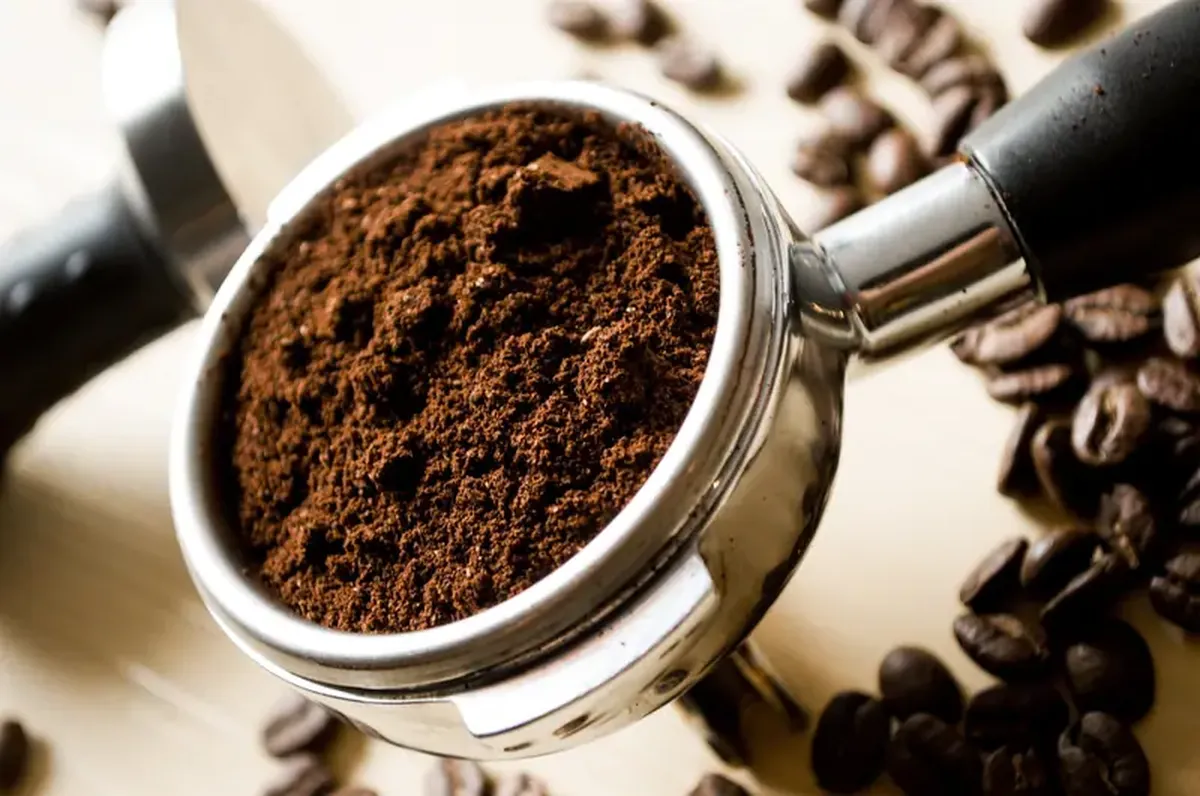
But it’s not just the construction industry that could benefit from these byproducts. Researchers have also suggested using tea and coffee waste to enrich food products.
For instance, in 2020, a group of researchers studied the effects of adding spent coffee grounds to gluten-free cookies and found the cookies’ nutritional value increased.
In another study, researchers added used green tea to cupcake batter and found that flavonoids remained in the leaves after baking. Flavonoids are plant compounds with potential anti-cancer, antioxidant, anti-inflammatory, and antiviral properties.
What Scientists Learned
The new research from Saudi Arabian scientists built on earlier work. During their experiments, the team investigated whether tea or coffee retain antioxidants after boiling and grinding, and whether that material could improve the nutritional value of baked goods and extend their shelf life.
The researchers boiled distilled water, then soaked black tea leaves and coffee grounds in it for 10 minutes. Analysis of the dried grounds that formed afterward showed they still retained a significant percentage of phenolic compounds, including flavonoids.
The tea waste retained about 73 percent of a powerful phenolic antioxidant that doctors recommend for people with high cholesterol, obesity, or heart disease.
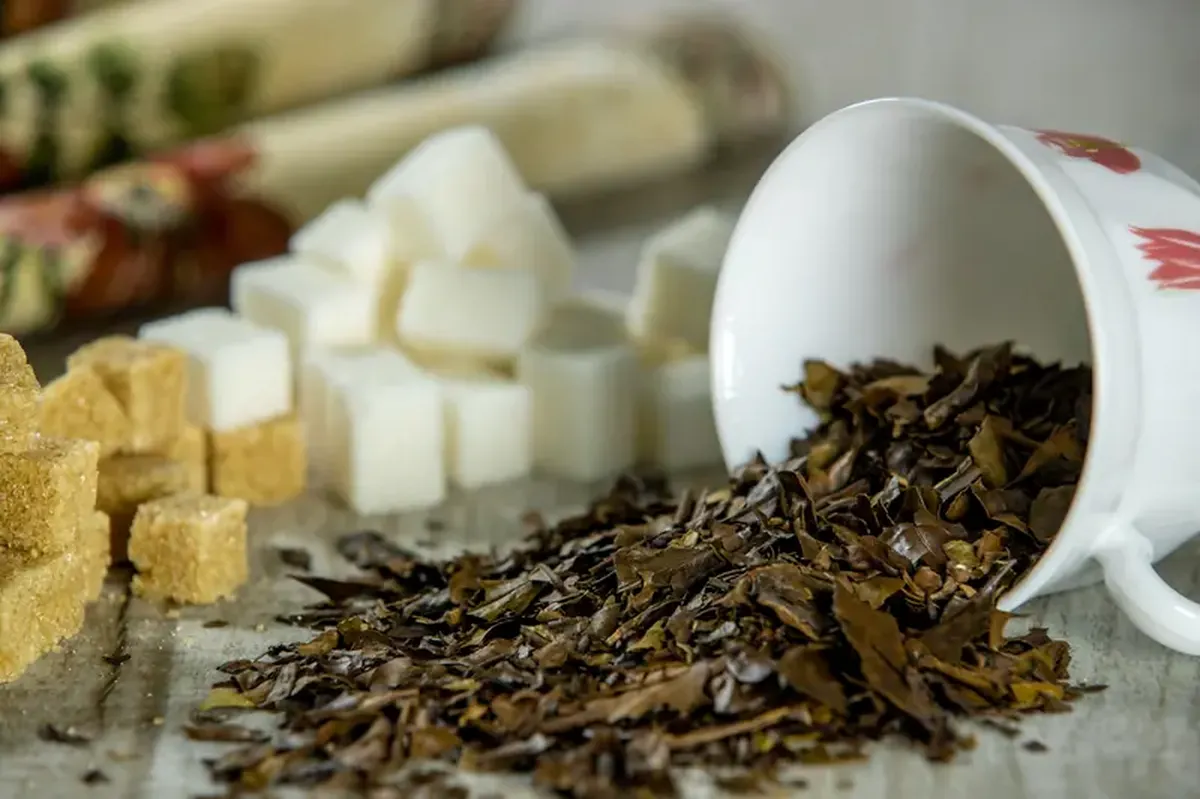
The coffee grounds retained nearly 64 percent of chlorogenic acid—a well-known antioxidant with recognized health benefits.
Antioxidants remained in the baked goods even after the tea and coffee waste were processed in the oven.
The researchers found that after two weeks of storage, baked goods enriched with coffee and tea showed no significant microbial growth. The antioxidants appear to inhibit bacterial growth during storage.
The study’s results suggest that used coffee and tea can be an effective natural way to enrich baked goods with nutrients and extend shelf life. The findings were published in the journal ACS Omega.
