
 Gaby
Gaby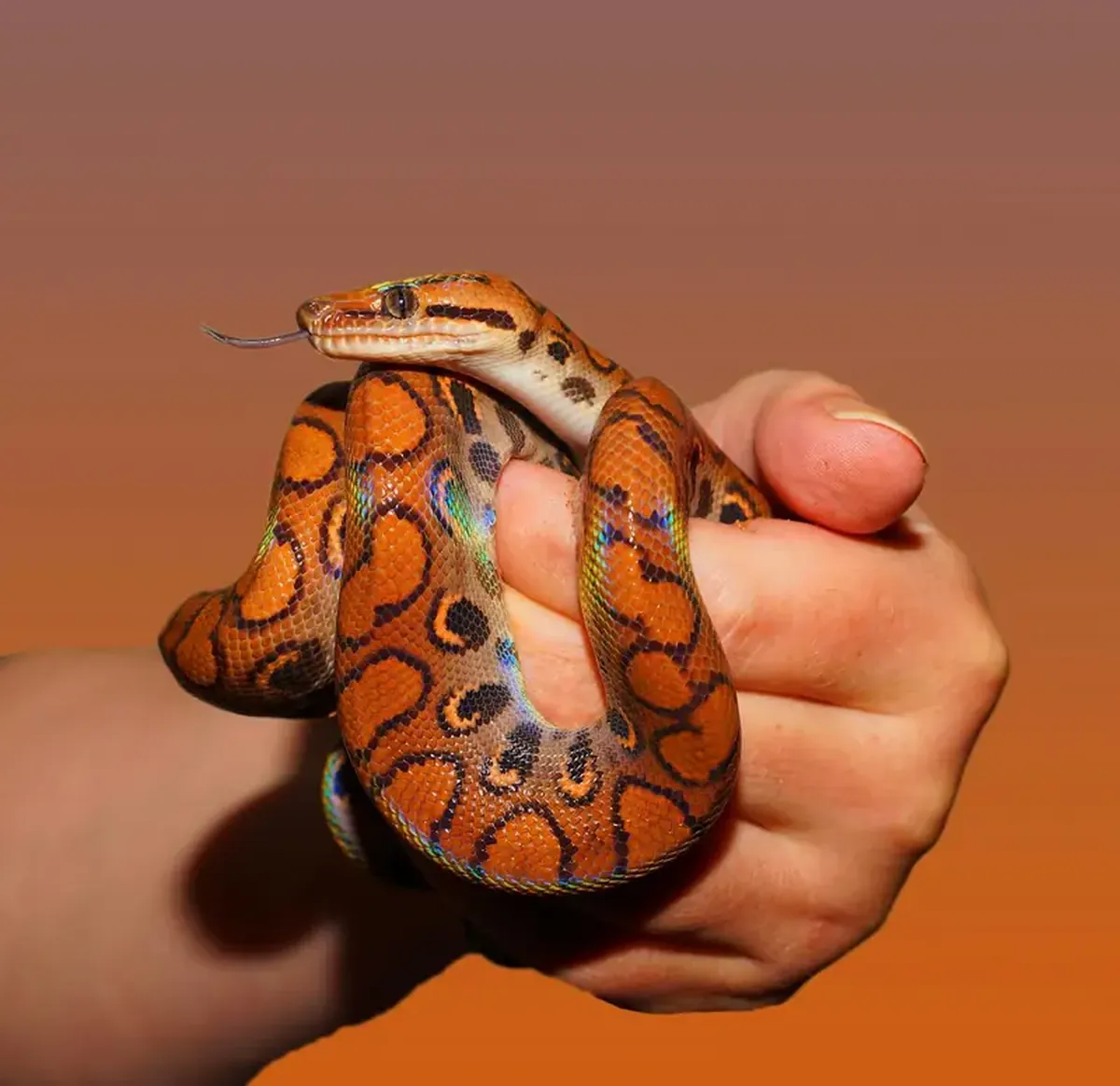
Chinese customs officers apprehended a man crossing the border with dozens of live snakes stuffed into his pants. They intercepted him at the Futian port between Hong Kong and Shenzhen.
“During the inspection, customs officials discovered that the passenger’s pant pockets were crammed with six canvas bags tied shut and sealed with tape,” the Chinese customs service reported.
The bags held 104 live snakes “of various shapes, sizes, and colors,” the statement said. Customs workers called the method of transportation extreme, even by their standards.
With help from herpetologists, customs officers quickly identified five snake species in the smuggler’s stash, IFLScience reported: western rat snake, milk snake, Texas rat snake, bull snake, and corn snake.
Most of these species aren’t native to China. Experts said the snakes were nonvenomous.

Center of Animal Smuggling
That’s the reputation China has earned over the years. This incident is a vivid example of how rampant illegal wildlife trade remains in the country, with smuggling methods getting increasingly bizarre.
Demand for smuggled wildlife in China is high. Smuggled animals are often imported for traditional medicine, or bought as pets and investments.

Pangolin
Between 2010 and 2021, authorities recorded 192 pangolin smuggling cases in China. Law enforcement officials counted 74,500 dead pangolins during investigations, the China Environmental Investigation Agency reported.

In recent years China has tried to shed that image. In February 2020, its top legislative body moved to “completely ban illegal wildlife trade and eliminate the consumption of wild animals for food to protect human life and health.” The government expanded protections for already-banned species and pledged tougher penalties for animal smugglers.
The illegal wildlife trade is valued at about $20 billion a year worldwide. It is increasingly linked to organized crime, armed violence, and environmental damage.
The Zoological Society of London (ZSL) calls wildlife trafficking the world’s fourth-largest illegal activity, after arms, drugs, and human trafficking.
