
 Gaby
Gaby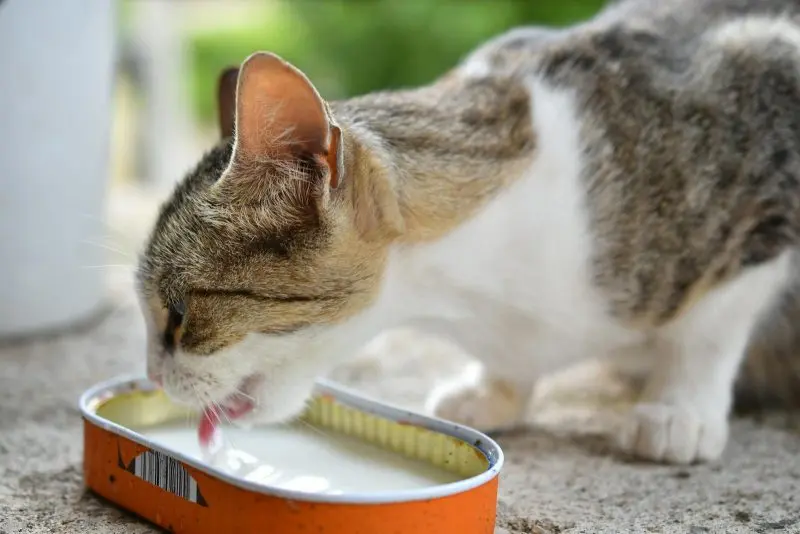
Cats have lived alongside humans for more than 9,000 years. In ancient times, they were prized as rodent hunters and gradually became domesticated. Before commercial cat food existed, people mostly fed them table scraps and didn’t think much about their nutritional needs. In his 1877 book, Scottish doctor Gordon Stables insisted cats needed two bowls — “one for water, the other for milk” — and called milk porridge the best breakfast for cats. The image of a milk-loving cat is everywhere in art, literature, and film. But modern research has shown milk can be harmful: most cats are lactose intolerant.
Julia Henning, a cat behavior expert at the University of Adelaide’s School of Animal and Veterinary Sciences in Australia, says cats start life drinking their mother’s milk. As they grow, they no longer need that milk. By 6 to 12 weeks, kittens typically stop producing lactase, the enzyme that digests lactose. For most cats, that means they can’t tolerate lactose. As in humans, the degree of lactose intolerance varies among individual animals.
Even if a cat can digest lactose, cow’s milk is still a poor choice. Cats are much smaller than cows, and a mother cat’s milk contains far less lactose than cow’s milk. Cow’s milk is designed to feed calves, not cats. Henning also warns that cats can develop allergies to milk or other dairy products.
What happens when a cat drinks milk? Lactose is a sugar. When a cat can’t break it down for absorption into the bloodstream, the lactose passes through the intestines into the colon, where bacteria ferment it. Fermentation produces acids and gases. That process can cause symptoms such as excess gas, bloating, abdominal pain, nausea, vomiting, and constipation. The most common symptom in cats is diarrhea, ScienceAlert reports.
If milk can cause those problems, why do cats seem to love it? Henning points out that we often crave things that aren’t good for us. Cow’s milk contains proteins and fats that many cats find tasty. It’s also high in casein, a protein that breaks down into a peptide called alpha-casozepine. Some researchers have found that alpha-casozepine has calming effects, so milk may be associated with reduced anxiety or restlessness in some cats.
Can you give a cat milk as an occasional treat? The short answer is no. Milk poses health risks, so it’s best to avoid it. At most, offer lactose-free milk that is specially formulated for cats — it won’t cause the same stomach upset as cow’s milk. As for oat, soy, or almond milk, unusual additions to a cat’s diet are likely to cause digestive upset, so steer clear of them. Henning’s advice is simple: don’t give your cat milk. It’s unnecessary, likely indigestible for most cats, and more likely to cause problems than benefits.
