
 Gaby
Gaby
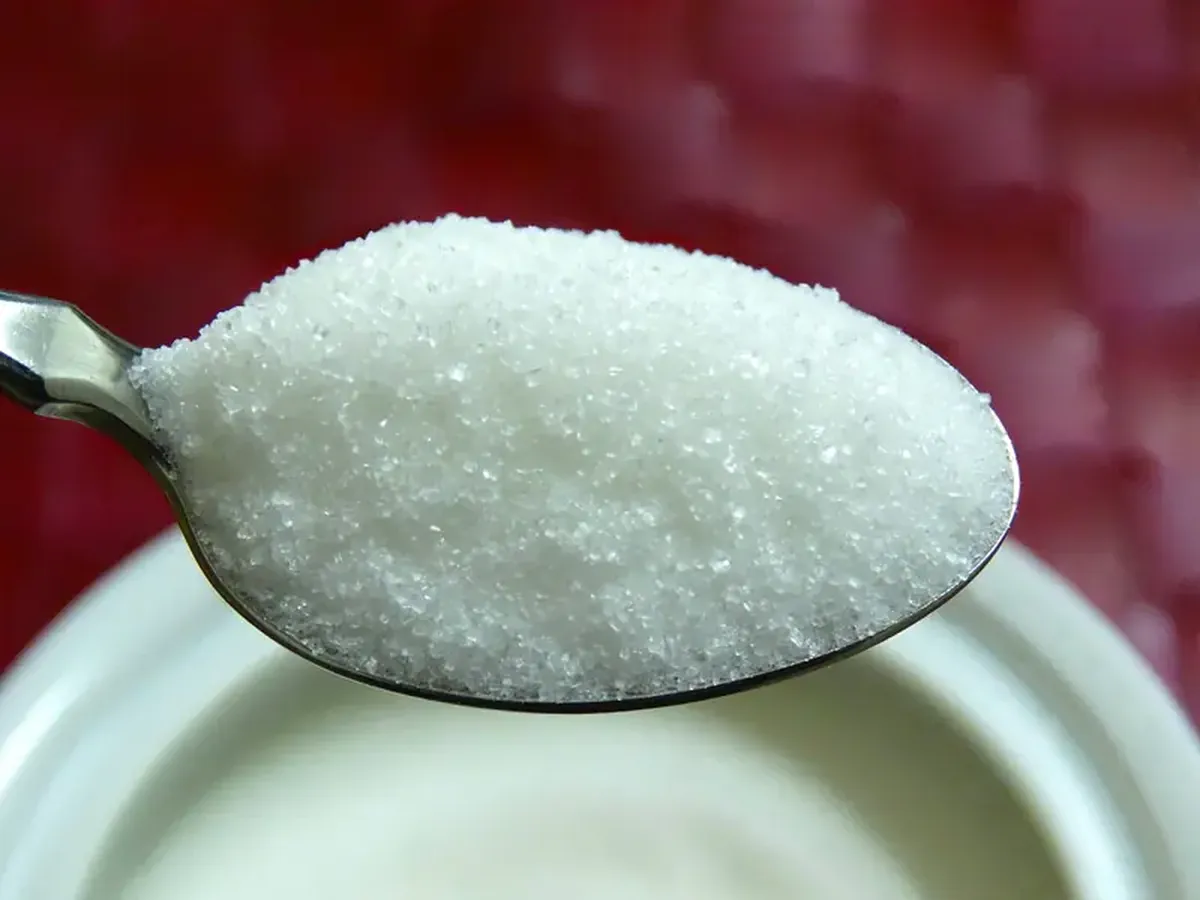
Over the past 60 years, global sugar consumption has quadrupled. Today, sugar accounts for about 8 percent of all calories consumed by the average person on Earth.
Many people think sugar is essential, but added sugar is empty calories: it provides no vitamins or fiber. The obsession with sweets has driven up healthcare costs, since sugar is linked to rising obesity worldwide. Some estimates say half the global population could be affected by obesity by 2035.
Sugar cultivation also causes habitat loss and biodiversity decline, Science Alert reports.
Despite being the largest crop by mass on the planet, sugar has received relatively little attention from scientists.
What Are the Benefits of Reducing Sugar Consumption?
A team led by Paul Behrens, a representative of the British Academy of Sciences and a professor at the University of Oxford, and Alon Shepon, an ecological researcher at Tel Aviv University, assessed the environmental impact of sugar. They also explored the potential for reducing sugar intake to the levels recommended by the WHO.
The team says reducing sugar consumption could help preserve and restore land. This is especially crucial in tropical biodiversity hotspots where sugar production is concentrated, such as Brazil and India.
Another promising option is redirecting sugar from our diets to environmentally beneficial uses, such as producing bioplastics or biofuels.

By using sugar diverted from food for bioplastic production, we could replace about 20 percent of the polyethylene market. Polyethylene is one of the most common plastics polluting the planet. Sugar redirected from diets could also supply the biofuel industry, potentially producing around 198 million barrels of ethanol annually for transportation.
Brazil currently produces about 85 percent of the world’s ethanol from cultivated sugar. Rather than growing more sugar specifically for fuel, some of the sugar currently used in our diets could be redirected to ethanol production.
The research also highlighted using sugar to feed bacteria that produce protein. That microbial protein could be turned into plant-based products and feed more than 500 million people. Replacing animal protein with this option would also cut greenhouse gas emissions.
Change Is Challenging, But It’s Necessary
Reducing sugar consumption could lower obesity rates globally and help the environment. However, the researchers say these changes would pose a massive challenge for the global sugar supply chain, which spans over 100 countries and supports millions of people who rely on income from sugar.
Behrens and Shepon say people won’t change their sugar habits overnight, but they need to be informed about the environmental benefits of cutting sugar.
