
 Gaby
Gaby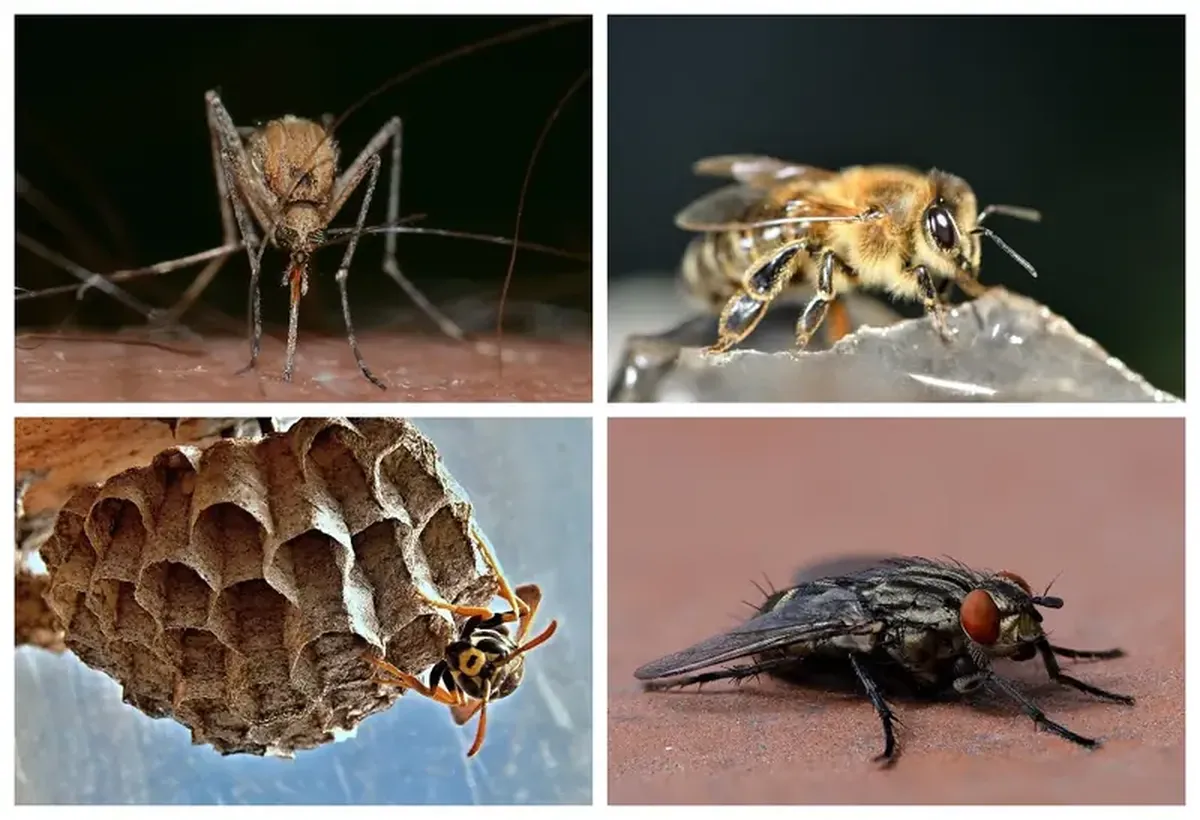
Summer would be more enjoyable without the constant buzz of flies and the high-pitched whine of mosquitoes. Those sounds—often above 700 Hz—don’t come from vocal cords but from air vibrating as tiny wings beat hundreds to a thousand times per second. Insect bites are worse: they can threaten our health. Flies can mechanically carry pathogens, and mosquitoes transmit diseases that can be deadly. What can we do to prevent bites, and what protection actually works?
Small but Mighty
Doctors consider flies mechanical carriers of pathogens that cause gastrointestinal infections—dysentery, cholera, and typhoid—as well as diseases like tuberculosis, diphtheria, and anthrax, and protozoan cysts. Flies pick up microorganisms on their bodies and transfer them to food and surfaces when they land. Studies have even found antibiotic-resistant strains of Staphylococcus aureus on flies, a common cause of hospital-acquired infections.
Different mosquito species transmit malaria, tularemia, Zika, chikungunya, yellow fever, dengue, West Nile, and other illnesses—the risk of catching these “exotic” diseases rises in tropical and subtropical regions. To prevent fly-spread gastrointestinal infections, follow basic hygiene: wash hands often and keep food covered. To lower your risk of bites, cover arms and legs, sleep under nets, install door curtains or screens to keep flies out, and use repellents.
The Dangers of Insect Bites
Insect bites usually cause either local reactions or allergic reactions; the latter are most often triggered by wasps, bees, hornets, and fire ants.
Symptoms of an acute allergic reaction include:
- Hives — red, itchy bumps that can spread across the body;
- Swelling of the face, throat, or mouth;
- Rapid heartbeat;
- Anxiety and panic;
- Shortness of breath and difficulty breathing;
- Sudden drop in blood pressure, causing dizziness, shock, loss of consciousness, and possible cardiac arrest.
A life-threatening allergic reaction can develop within 2–5 minutes after a bite, so call emergency services immediately if severe symptoms appear. If it has happened once, be prepared for a similar dangerous situation: the likelihood of a repeat allergic reaction to an insect bite is about 60%.

How to Help After Insect Bites
If you’re stung on the hand, remove all rings and bracelets immediately. After a bee sting, a venom sac and stinger often remain in the skin—remove them quickly, ideally within 30 seconds. Use a fingernail or a hard card (like a credit card) to scrape them out. Don’t squeeze the sac or pull on the stinger; that can push more venom into the skin. Then wash the area with soap and water and apply an antiseptic.
Apply hydrocortisone cream to soothe and reduce inflammation. Use calamine lotion and a sterile bandage to protect the area. Take an NSAID like ibuprofen to relieve pain, and use a cold compress or ice to reduce swelling. Give an antihistamine to ease swelling, rash, and itching, but avoid giving antihistamines to pregnant women or children under two without a doctor’s advice. Seek hospital care for severe reactions.

Grandma’s Remedies for Insect Bites
To reduce swelling and itching after a beetle bite, make a decoction of oak bark, mint, and St. John’s wort. Mix the herbs in equal parts (1 tablespoon of the herbal mix per cup of water), bring to a boil, steep for an hour, strain, cool, and use as a compress. Or pour a cup of water over 3 tablespoons of yarrow flowers, simmer for 15 minutes, cool, strain, and use for compresses. Apply cold olive oil or calendula tincture to the bite up to 15 times a day.
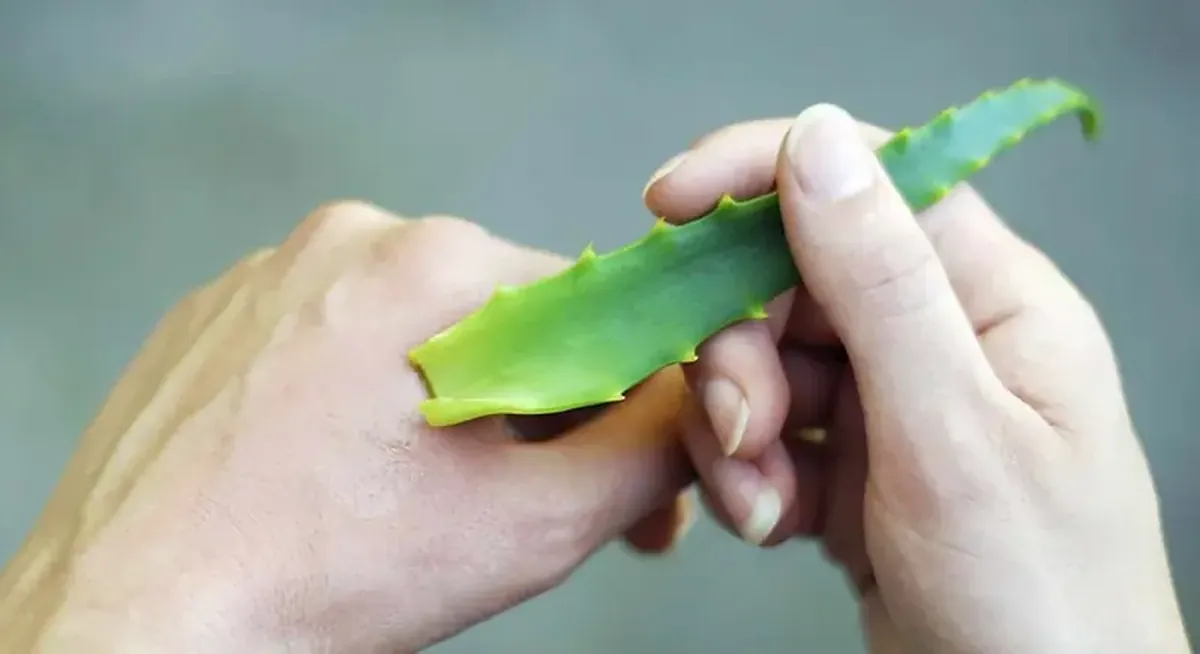
For allergic reactions, prepare a parsley root infusion: steep 2 tablespoons of chopped parsley root in 0.5 liters of boiling water in a thermos for 8 hours, and drink one-third of a cup three times a day. To relieve pain from a wasp sting (pain can last up to 20 hours), apply dandelion or mint juice to the wound. Make a compress from crushed plantain, lady’s mantle, parsley, onion, garlic, or raw potato and apply it to the bite for 15 minutes. Use the flesh of peeled aloe leaves on the site as well.
The Dangers of Wasps, Hornets, and Horseflies
About one in 300 people is prone to severe allergic reactions to insect bites. Symptoms can include dizziness, headaches, body rashes, nausea, a rapid heartbeat, and convulsions. A wasp sting inside the mouth or throat can cause laryngeal swelling and suffocation—call emergency services immediately. While waiting for help, gargle with cold water to slow the swelling.
For a wasp sting, disinfect the area with an antiseptic—options include a weak potassium permanganate solution, diluted hydrogen peroxide, or even vodka. Apply a cold compress or ice pack to the site. Some home remedies—a paste of crushed activated charcoal, aspirin, validol, or baking soda—are used to relieve swelling, itching, and pain. If a child is stung, the risk of an allergic reaction is higher, and the reaction may be delayed. Injectable medications such as prednisone, epinephrine, or diphenhydramine do not eliminate the need to see a doctor.
If an Allergy Develops
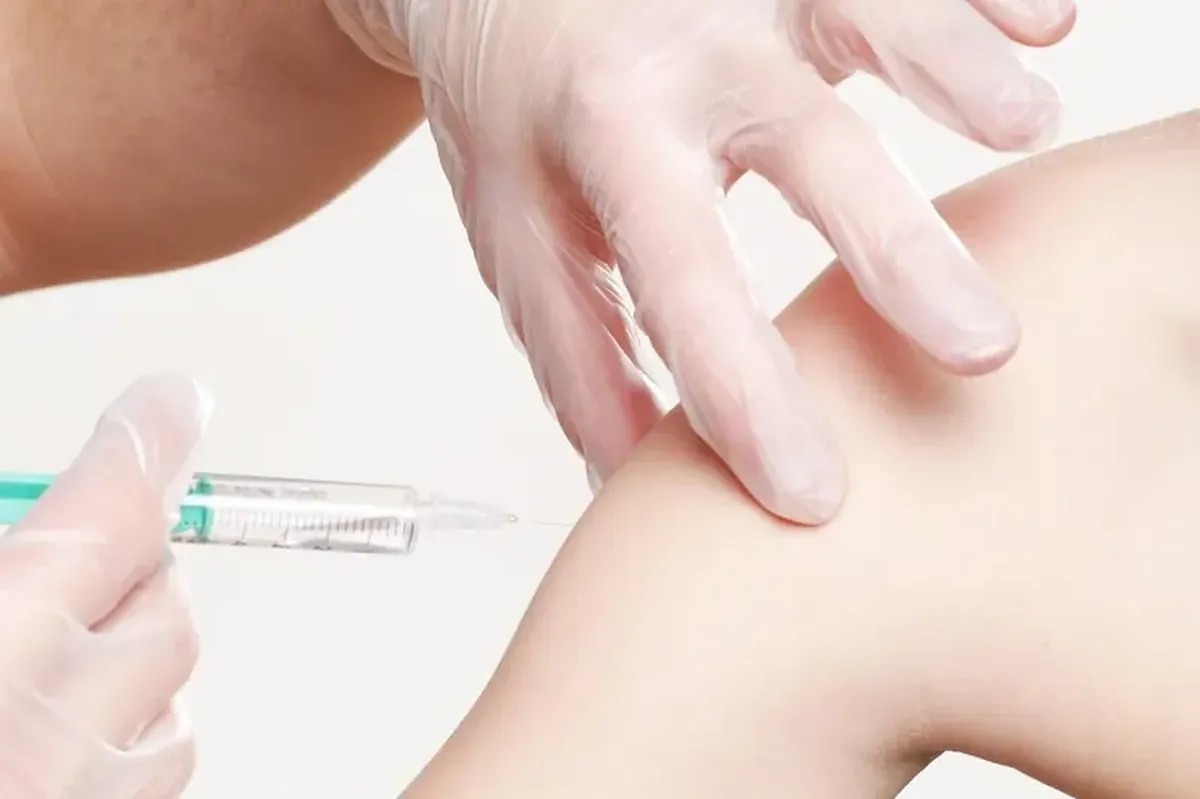
A single sting can land someone in the hospital: complications from wasp, bee, or hornet stings may require IV fluids and oxygen. Emergency treatment for severe allergic reactions usually involves epinephrine. Keep appropriate emergency medications on hand if you’ve had previous severe reactions—but remember that epinephrine can have side effects and may be risky for people with heart disease or those taking certain medications.
Allergy immunotherapy can prevent future reactions: doctors give gradually increasing doses of insect venom over time so the immune system becomes tolerant. People who have had severe reactions should avoid going alone into areas where stinging insects are common—there may be no one to help if they need emergency care.
How to Avoid Insect Bites
Hornets nest in houses, shrubs, and trees; wasps often build nests in earthen mounds, old logs, or wall cavities—avoid those areas. When walking through tall summer grass, wear closed shoes, socks, and long sleeves and pants. Insects are attracted to bright colors and sweet scents, so skip flashy clothing and perfumes when you go outdoors. Avoid drinking beer, wine, and sugary drinks outside.

On an open balcony with flowers, put an insect lamp and install fly screens on doors. Use easy-to-install screens and magnetic door curtains that open and close with two panels. Block access to the interior with insect screens to keep flies and mosquitoes out.
How to Repel Unwanted Guests
If ants invade your home, coat trails and entry points with lemon juice—the scent usually deters them within days. To repel moths, stud lemon peels with cloves (about 15 cloves per lemon) and place these “hedgehogs” in drawers and cabinets; moths dislike spicy scents. Essential oils can repel flies and mosquitoes: for children, lavender, thyme, or rosemary oil can be applied as protection. Some people plant geraniums in pots to help deter mosquitoes.
Many people prefer natural repellents to chemicals. Essential oils—peppermint, rosemary, geranium, clove, citronella, tea tree, thyme, lavender, and eucalyptus—can be used indoors: dilute and apply to skin carefully, or add a few drops to an aromatic lamp. At night, spray an insect aerosol in the bedroom or plug in a mosquito repellent device. A fumigator vaporizes a substance that kills insects and comes in pyrotechnic (burning) or electric models; electric fumigators are usually safer for indoor use.

Repellents for Flies and Mosquitoes
For pyrotechnic fumigators, light a soaked spiral or plate—the smoke repels mosquitoes outdoors. Indoors, electric devices are more fire-safe and convenient since they plug into the wall. Electric fumigators come in tablet (plate) or liquid forms and work in enclosed spaces against mosquitoes, flies, and other insects. Many modern units have timers and low or no odor and are marketed as child-safe.
Many insect repellents—sprays, fumigators, and sticky traps—use DEET (diethyltoluamide) as the active ingredient. DEET effectively protects against mosquitoes, gnats, ticks, and other biting insects by making treated areas unattractive or confusing to them. DEET is classified as a pesticide with moderate toxicity. For products for children, choose the lowest effective concentrations of DEET—generally up to 30%.
