
 Gaby
Gaby
More nutrition experts now say cooking meals in the microwave can be better than other methods.
American dietitian Shayla Cadogan explained that frying or boiling reduces the number of nutrients in food, while microwaving preserves them. Recent research supports that.
Cadogan says microwaves heat food at lower temperatures, and reheating in a microwave takes relatively little time. Those two factors help retain more nutrients.
Some people previously believed microwave radiation destroyed nutrients or turned food into carcinogens. Cadogan says that idea is misguided.

Other researchers agree
The myth about the dangers of microwaves is also debunked by other specialists. For instance, Anthony L. Komaroff, a professor of medicine at Harvard Medical School and a senior physician at Brigham and Women’s Hospital in Boston, is one of those specialists.
“Cooking in a microwave is actually the least likely method to damage nutrients. The longer food is cooked, the more nutrients break down, and microwaving takes less time,” Professor Komaroff wrote in a blog post for Harvard Health.
He pointed out that microwaves use non-ionizing electromagnetic radiation, which causes food molecules to move and generate heat that is distributed throughout the dish.
In contrast, the heat used for cooking on the stove or in a conventional oven increases the temperature from the outside in. That means by the time the ideal temperature is reached inside, the outer surface has been subjected to higher heat, which increases nutrient loss.
Shayla Cadogan also referenced a 2017 study that revealed the destructive impact of boiling on the nutrients in vegetables, particularly vitamin C. “Vitamin C was best preserved after microwave treatment, and worst after boiling,” the study’s authors wrote.
Researchers also indicated that microwaving effectively retains sodium, potassium, and phosphorus in certain vegetables. This applies, for example, to sweet potatoes and carrots, as reported by the Daily Mail.
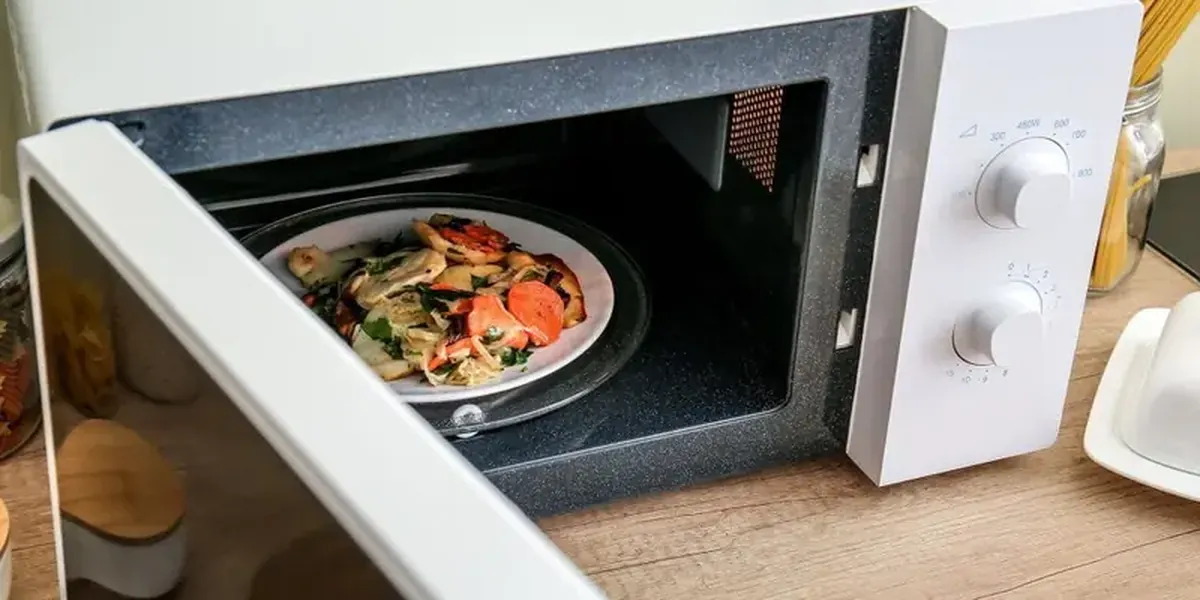
According to the medical site Verywell Health, microwaving tomatoes preserves the antioxidant lycopene well. Lycopene helps lower harmful cholesterol levels and can reduce the risk of heart disease. A 2023 study found that boiling vegetables causes them to lose between 70 and 82 percent of their flavonoids. These compounds have antioxidant properties and help lower the risk of heart attacks and strokes.
Researchers found that boiled vegetables lose significant amounts of minerals such as potassium, magnesium, zinc, copper, and manganese. Meanwhile, “microwaving is the most effective method for preserving the nutritional value of vegetables.”
Scientists confirmed that microwave-cooked vegetables contained significantly more vitamin C than those prepared by any other method. Overall, microwaving allowed for the retention of 90 percent of the original food content.
Thus, according to Shayla Cadogan, microwaves help preserve certain minerals and antioxidants rather than destroy them. Cadogan also noted that some antioxidants found in carrots, bell peppers, and tomatoes “are released” during cooking.
