
 Gaby
Gaby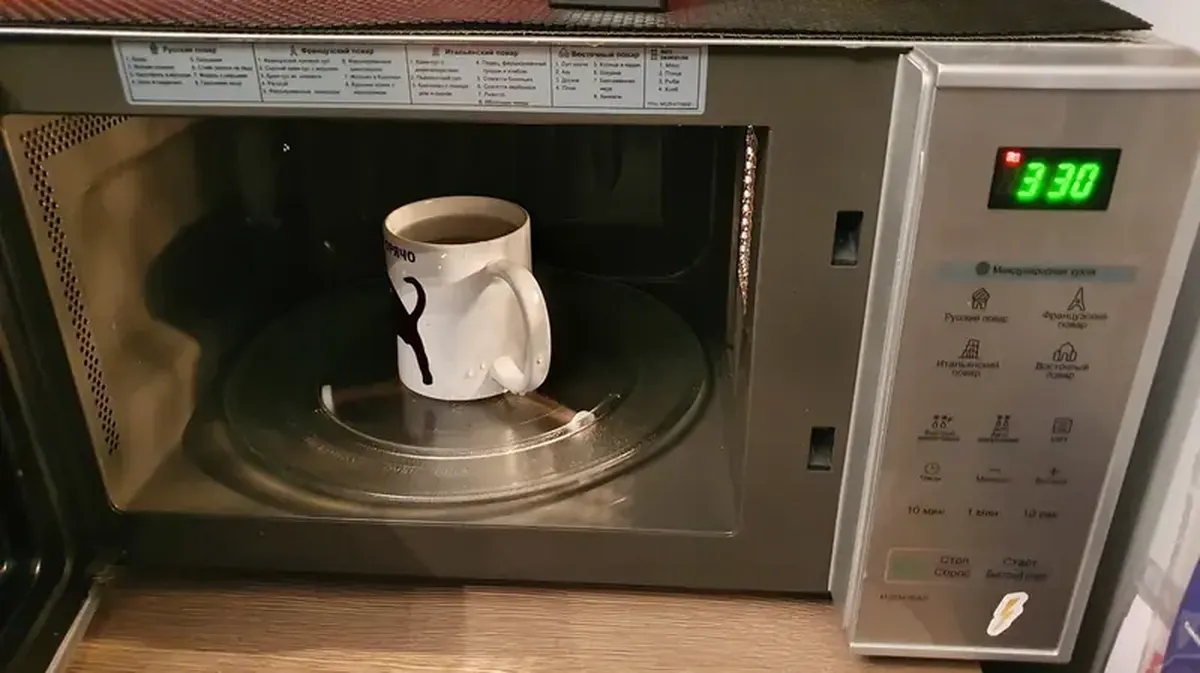
The English, known for their love of tea, even believe that the practice of reheating it has split the nation into two groups. One group is concerned about this barbaric treatment of a beloved beverage, while the other takes it in stride.
The main argument from those who can’t stand reheating tea in the microwave is that the process affects the flavor and leads to uneven heat distribution in the cup.
To settle this debate once and for all, the Daily Mail reached out to Mark Miodownik, a professor of materials science at University College London.
He said the only thing worse than tea reheated in a microwave is the tea served on an airplane. “The main reason you shouldn’t reheat it is that it will taste bad. Microwave tea is terrible, just terrible,” Professor Miodownik stated.
He explained that the flavor of tea comes from flavonoids—natural compounds found in abundance in tea leaves. However, these compounds are extremely volatile, meaning they evaporate easily.
“They just disappear, so if you don’t drink the tea right after brewing, there won’t be much left. And if you reheat the tea, there will be none at all,” the expert clarified.
And what about the aforementioned tea on an airplane? Professor Miodownik believes that a combination of factors, such as low air pressure and dryness, reduces sensitivity to tastes and smells.
He also insists that you should brew your own tea in the office. “Never ask someone else to make you a cup of tea—it’s a surefire way to develop a dislike for your colleagues. If they make it poorly, not to your liking, you’ll end up resenting them,” the professor is convinced.

Other experts weigh in
Meanwhile, Professor Chris Budd of the University of Bath also weighed in on reheating tea in the microwave.
“It’s perfectly fine to reheat tea in the microwave since water is a good conductor of microwaves, and convection currents ensure even heat distribution. However, be cautious with ceramic mugs—they conduct microwaves well and can get very hot,” Professor Budd noted.
Professor Kuan Vuong, head of the Department of Food Science at Newcastle University, says that “the recipe for the perfect cup of tea depends on your goals.”
“When it comes to enjoyment, the ideal cup of tea should have an appealing color, balanced flavor, a pleasant and inviting aroma, as well as taste and aftertaste,” Professor Vuong explained. “But when it comes to health benefits, a good cup of tea is primarily associated with a high content of phytochemicals, such as polyphenols and theanine.”
For those seeking the healthiest tea, Professor Vuong offered an unusual recommendation: brew it in the microwave for two to three minutes. In his view, “this method of preparing tea yields a high content of health-beneficial phytochemicals.”
“The microwave is effective for extracting phytochemicals from tea due to its rapid and even heating,” the scientist said. However, he acknowledged that microwave tea “may be less enjoyable in terms of taste and aroma.”
Yet, most experts still agree that when tea has cooled down, it’s better to put the kettle back on the stove and brew a fresh cup.
