
 Gaby
Gaby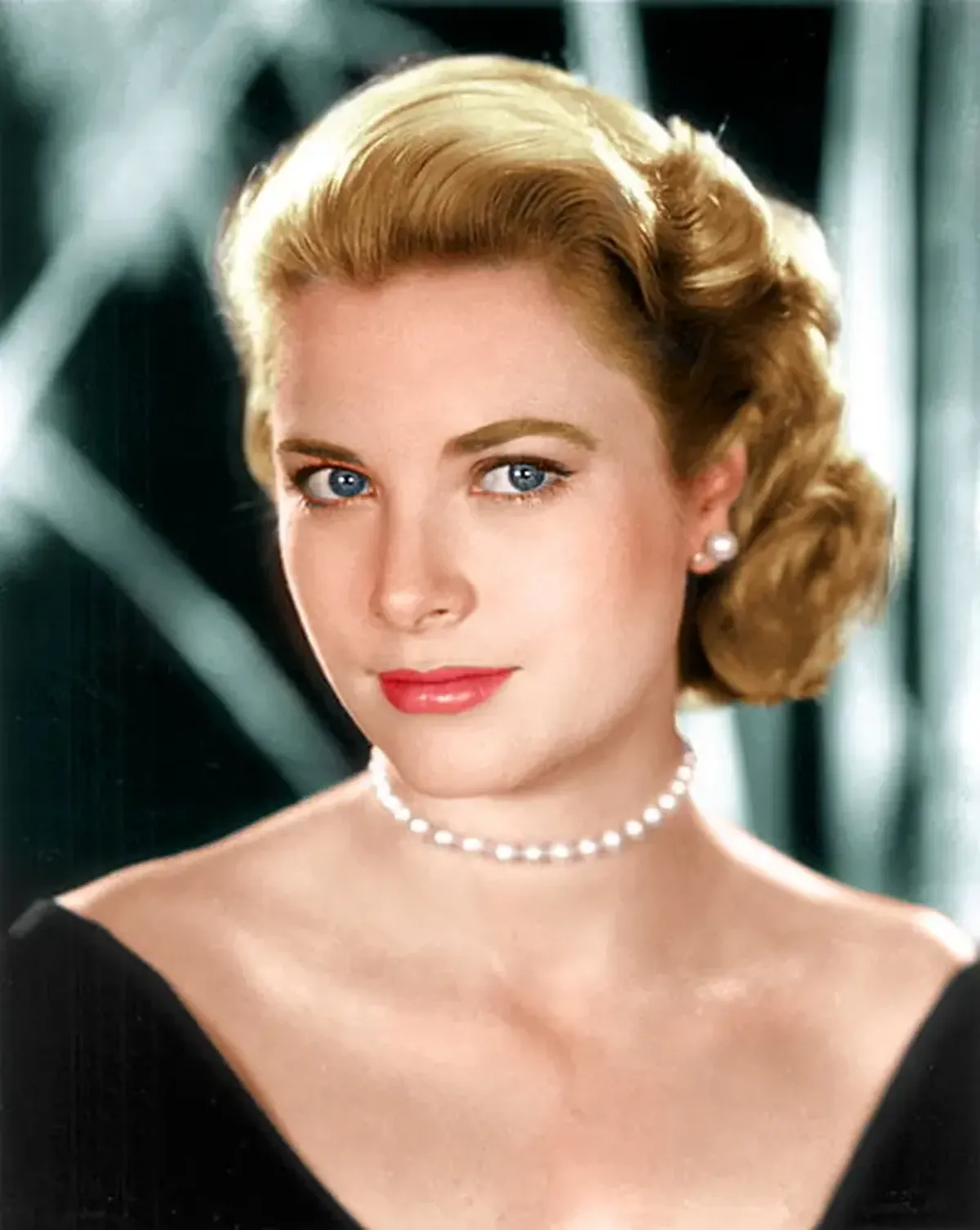
On November 12, Grace Kelly (1929–1982) would have turned 93 — if a tragic car accident hadn’t taken the actress-turned-princess’s life 40 years earlier. The Hollywood icon left behind a cloud of mystery and a trail of speculation.
Women like her are rare, which is why people keep talking about them. For a long time—both before and after she stepped back from the spotlight—endless discussions have focused on the nature of her popularity.
Critics claimed she had no talent and said her appeal rested entirely on her looks. They suggested that Alfred Hitchcock, who cast Kelly in his films, and her co-stars were so dazzled by her beauty they abandoned their professional instincts.
To silence those naysayers, watch her films. They reaffirm her skill—and remind you that Oscars weren’t handed out casually in that era; she won one for The Country Girl (1954).
When we defend Grace, we don’t rely only on her looks. If her appeal were merely physical, film scholars would have little to analyze. Hollywood then favored platinum blondes and eventually became saturated with them, but not all of those actresses had the chance to stand out. Grace is one of the few whose name is truly etched into film history.
As Kelly climbed toward cinematic Olympus, she carried a powerful tool: charisma. Or, put another way, charm. The ability of charm to dominate, influence, and even manipulate has only recently been fully recognized. That is the essence of charisma—a term now worn thin by modern image-makers. Along with charisma, Grace’s determination, hard work, and talent were keys to her success.
Her romantic partners were mostly high-profile men. Kelly belonged to a rare type of woman who seemed able to do anything. Women like her were judged by a different, more permissive standard within society. While others strayed and were condemned, Grace pursued her passions and moved among men as she discovered herself and the world.
Hitchcock called his favorite actress a “snow-capped volcano.”
When Kelly was 26, she left single life behind and became a princess—not on screen, but in reality. She married Prince Rainier III of Monaco and became the mother of their children: Caroline, Albert, and Stéphanie. That transformation boosted Monaco’s profile and drew tourists. Interest in the royal family remains intense to this day.
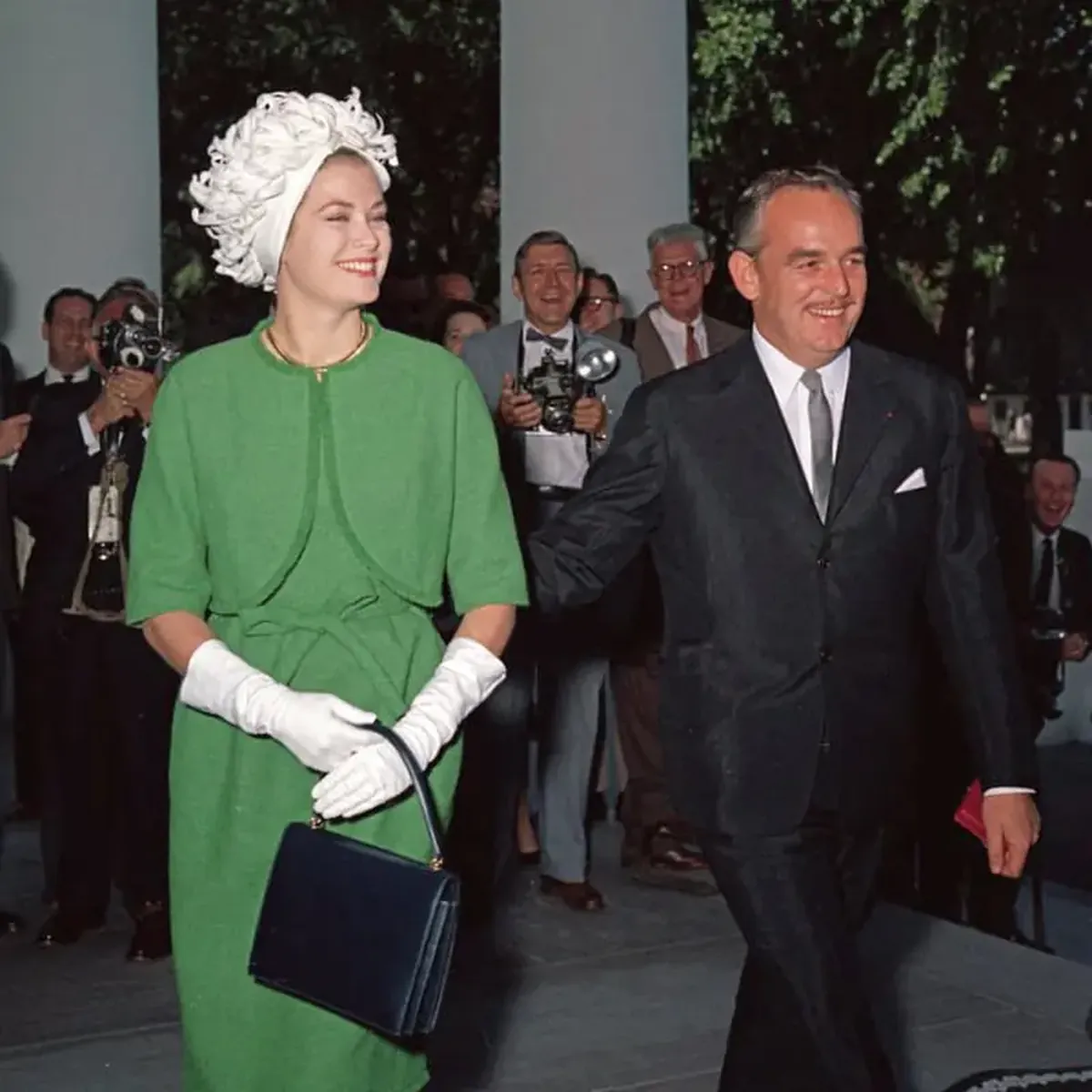
The Prince and Princess of Monaco arrive at the White House for lunch (1961)
As a wife and mother, she may have found fulfillment. But cinema lost one of its most charming actresses.
She did make sporadic appearances and even hosted poetry evenings for fans. By then, she was a different Grace Kelly.
In 1982, after a car accident on a steep road, the princess was seriously injured and taken to the hospital. She never regained consciousness, and with her family’s consent she was removed from life support. Her unexpected death—harsh as it sounds—was, in a sense, a mercy for Grace, whose beauty was gradually fading as she approached her 53rd birthday. Fate spared fans of celebrity gossip the slow public aging of the star. Instead, she remains forever an icon of perfection.

Selected filmography: “Fourteen Hours” (1951), “High Noon” (1952), “Mogambo” (1953), “Dial M for Murder,” “Rear Window,” “The Country Girl,” “Green Fire,” “The Bridges at Toko-Ri” (1954), “To Catch a Thief” (1955), “The Swan,” “High Society” (1956), “Poppies Are Also Flowers” (1966).
