
 Carlos Solis
In the evening, metabolism slows down, and heavy meals can disrupt sleep, cause heartburn and bloating, especially for those with chronic digestive disorders. To avoid overloading the stomach, dinner should be light. What foods do doctors recommend avoiding?
Is Eating at Night Harmful?
A proper dinner should be light, not burden the stomach, and not interfere with sleep. Given that digestive activity and metabolism are regulated by our internal clock, which responds to light and darkness (all processes in the body occur in a 24-hour cycle known as circadian rhythms), hormone production responsible for food processing slows down in the evening, and intestinal motility decreases.
Here’s what gastroenterologists say about whether eating at night is harmful. With a late dinner, the body doesn’t have enough time to properly process the food, leading to disrupted blood circulation, an increased risk of metabolic disorders, and a higher likelihood of weight gain. Eating within an hour of bedtime can negatively impact sleep quality and trigger heartburn, as acid from a full stomach can enter the esophagus, causing discomfort and leading to wakefulness.
Another reason to avoid late-night eating is that it disrupts circadian rhythms, affecting hunger and satiety hormones, liver function, pancreatic activity, and the gut microbiome—this increases the risk of cardiovascular disease, metabolic disorders, and obesity. Studies show that when dinner is eaten four hours later than usual (even with familiar dishes), the body burns fewer calories, which promotes fat storage.
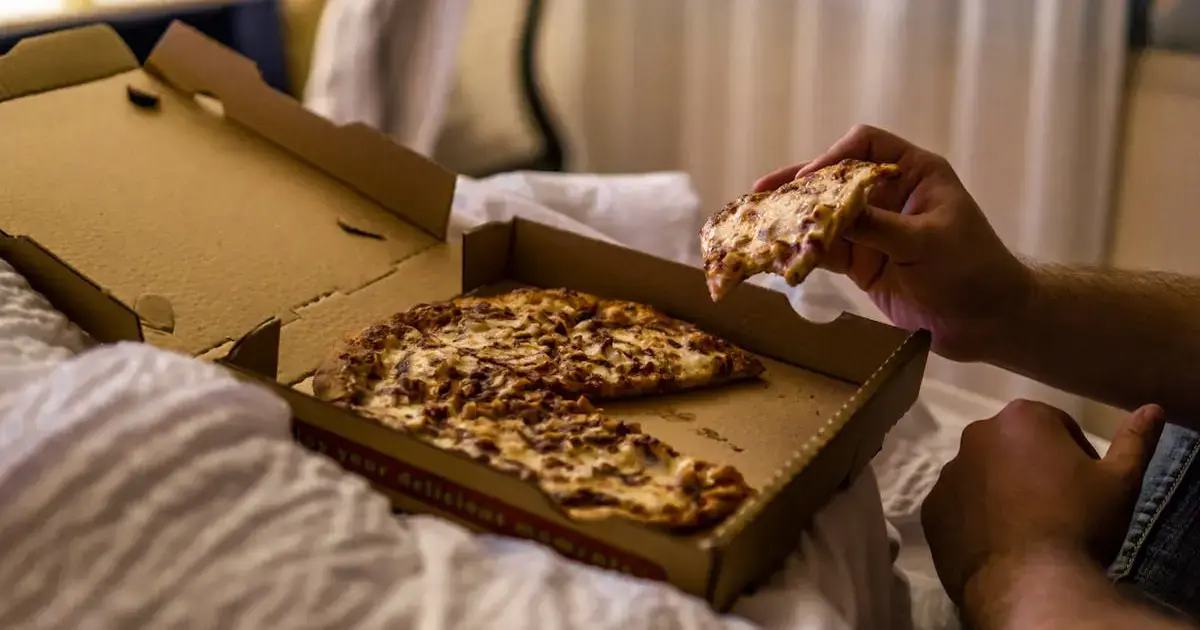
What Not to Eat at Night
Dinner should be eaten 2–3 hours before sleep, choosing easily digestible foods. Before bedtime, it’s best to avoid gas-producing dishes, as well as acidic, salty, or sugary foods. This caution is especially important for people with chronic conditions such as gastroesophageal reflux, irritable bowel syndrome, stomach or duodenal ulcers, and issues with the kidneys, gallbladder, or pancreas.
Foods to Avoid at Night:
- Alcohol — disrupts the rapid eye movement (REM) sleep phase, where information is processed, memory is consolidated, emotional states stabilize, and new neural connections are formed; shallow sleep prevents recovery;
- Chocolate and coffee — contain caffeine and theobromine, which stimulate the nervous system and hinder relaxation;
- Citrus fruits — acidic fruits relax the valve between the stomach and esophagus, potentially triggering heartburn;
- Salty nuts, snacks, chips — cause bloating, retain fluid, and raise blood pressure before sleep;
- Cruciferous vegetables (cabbage, cauliflower, broccoli) — cause bloating and abdominal discomfort;
- Beans and other high-fiber legumes — are hard to digest and can cause gas and bloating, especially in people with irritable bowel syndrome;
- Fatty and fried foods — digest slowly, forcing the stomach to work longer and worsening sleep quality;
- Red meat — takes a long time to digest, creating heaviness in the stomach and disrupting sleep;
- Processed meats like sausages and hot dogs — contain high levels of salt and fat, leading to morning swelling and increased cholesterol burden.
Instead, dinner should consist of dishes and foods that do not irritate the stomach and are easily digestible.
What to Eat at Night
Gastroenterologists criticize the popular belief of not eating after 6 p.m., calling it harmful because it can leave the body without food for more than 12 hours. Have a light snack about three hours before bed. Don’t overeat. Choose nutritious options and avoid fast food, fatty, and fried dishes.
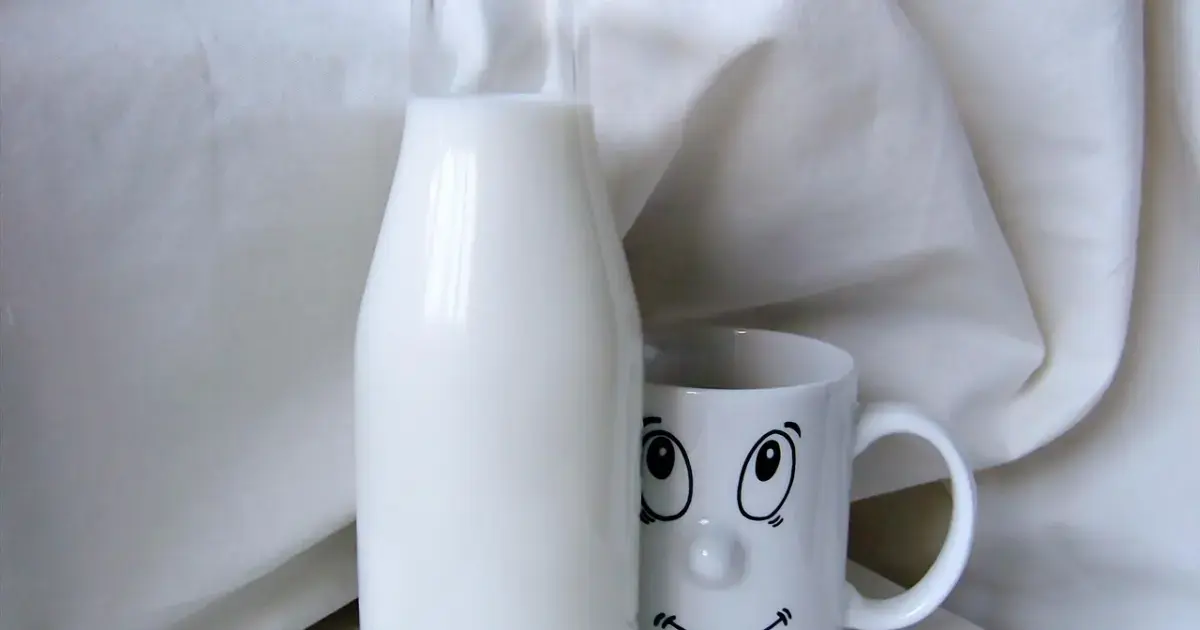
Among the best foods to eat before bed are light options rich in complex carbohydrates, fiber, and especially tryptophan, which supports melatonin production, aiding in falling asleep quickly and achieving quality sleep. Dairy products — warm milk, kefir, or low-fat unsweetened yogurt — are excellent sources of tryptophan. Ideal nighttime snacks include bananas, apples, pears, pomegranates, almonds, herbal tea, or oatmeal made with water.
Whole grain cereals (bulgur or oatmeal) with sautéed vegetables can be eaten after 6 p.m.: these dishes provide a feeling of fullness without causing gas. Good choices for an evening meal can include protein sources: chicken breast with boiled rice or baked fish with vegetables like tomatoes, cucumbers, sweet peppers, beets, carrots, and celery. These are also examples of what to eat at night without gaining weight.
Photo: Unsplash
