
 Gaby
Gaby
Feeling like you need a siesta after lunch or nodding off on a hot summer afternoon is normal. But how do you tell if it’s the heat — or something more serious? Here’s how to tell heat exhaustion from ordinary fatigue.
Key Symptoms of Heat Exhaustion
Dr. Preeti Daniel told the Daily Mail that prolonged exposure to heat can lead to heat exhaustion. This condition is the body’s response to excessive loss of water and salt. Symptoms may include heavy sweating, rapid breathing, headaches, nausea, a high body temperature, a fast but weak pulse, dizziness, fatigue, and heat cramps.
Older adults, infants, children, and people with chronic illnesses are most at risk. Dr. Luke Pouls says symptoms are generally the same for adults and children, with children often becoming tired and lethargic.
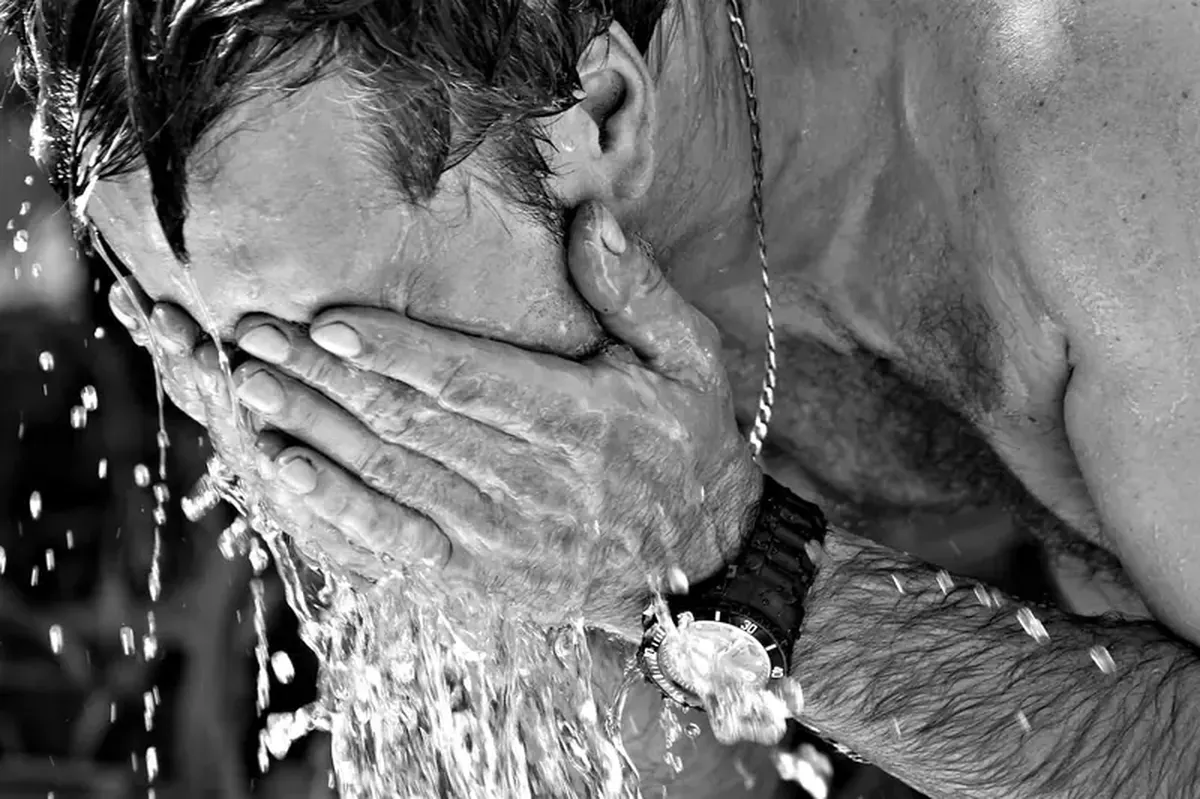 While heat exhaustion isn’t life-threatening, it’s a warning that you need to cool down immediately to prevent progression to heat stroke. Dr. Pouls recommends removing unnecessary clothing, lying down and elevating your legs above heart level. It’s also important to drink plenty of water and use a cool sponge to lower skin temperature.
If you follow these tips, you should start feeling better within about half an hour. However, if there’s no improvement, seek medical attention, since heat stroke may develop.
What’s the Difference Between Heat Exhaustion and Fatigue?
Dr. Caroline Marshall explains that heat exhaustion results from spending too much time in the sun. Often this causes body temperature to rise above 100.4°F, which isn’t a typical sign of general fatigue.
Fatigue can come from many lifestyle factors such as sleep disorders, alcohol use, and poor nutrition. Dr. Daniel says lack of energy or pain can be fatigue, but when they’re accompanied by other symptoms, they may point to heat exhaustion.
What is Heat Stroke?
Dr. Daniel says heat stroke is the end result of severe overheating. Body temperature rises, which can lead to confusion, extreme drowsiness, and even seizures.
Heat stroke is much more serious than heat exhaustion. It can cause changes in mental state — confusion, delirium, aggression, seizures, and loss of consciousness. Other signs include rapid breathing or shortness of breath and a stop in sweating, even if the skin feels hot.
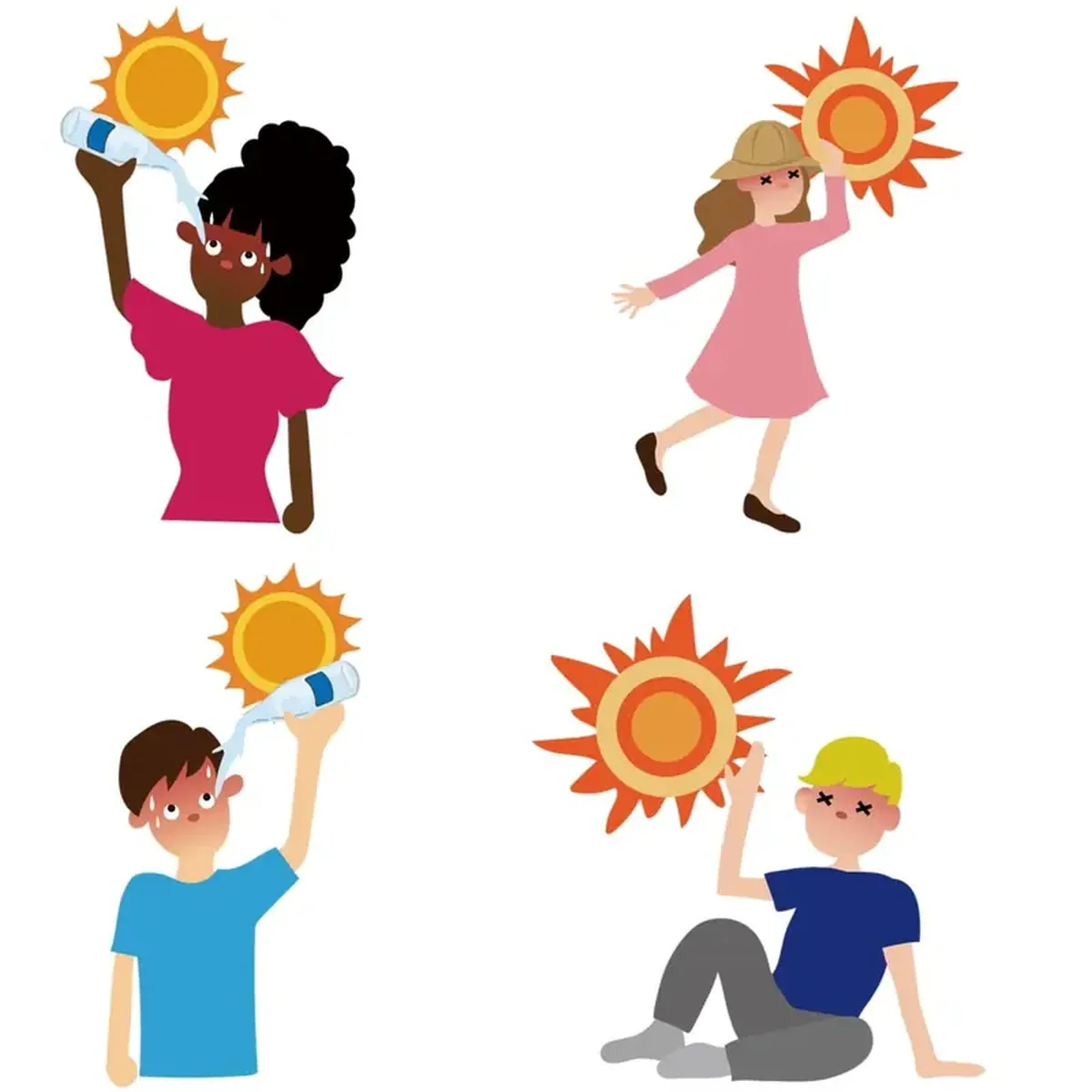 Dr. Pouls notes that heat exhaustion and heat stroke are often confused, but there’s a difference: with heat exhaustion you need to cool the person down, while heat stroke is a medical emergency requiring immediate help.
How to Protect Yourself from the Sun?
To prevent heat exhaustion during the summer, avoid dehydration and limit time in the sun. Dr. Daniel advises staying out of direct sunlight from 11 AM to 3 PM and wearing light, loose-fitting clothing.
Drink plenty of cold beverages and water throughout the day, and limit alcohol. To help keep a baby cool, shade the stroller with a damp cloth and refresh the cloth every 30 minutes.
