
 Carlos Solis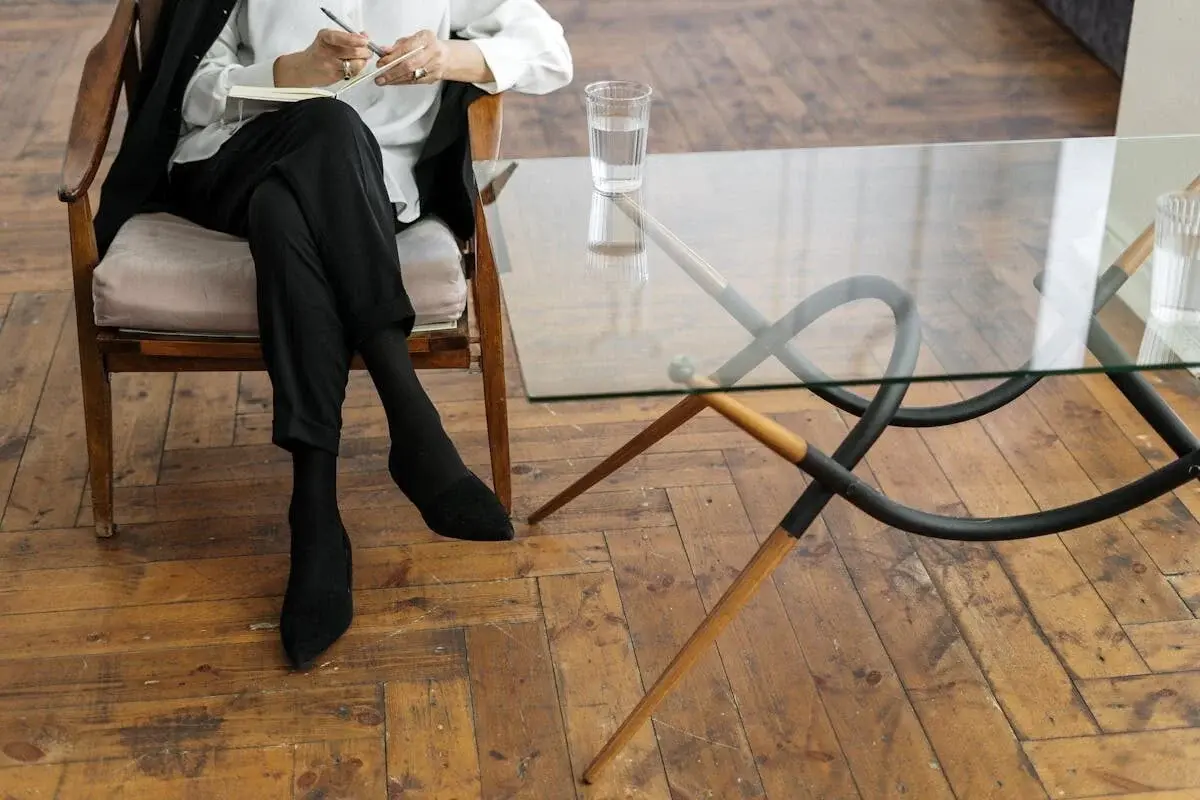
Remember getting scolded as a kid for the way you sat with your legs crossed? Those warnings — the same kind you heard about cracking your knuckles or sitting too close to the TV — stuck with a lot of us.
Here’s what adults told us back then:
- “Don’t cross your legs; you’ll ruin your knees.”
- “You’ll get varicose veins.”
- “Sit properly.”
- “Sit up straight.”
Is crossing your legs actually bad for your health?
A team of physiotherapists and researchers at the University of Technology Sydney (Australia) thinks the answer for most people is probably no. There’s practically no evidence that this posture harms your back, wears out your hips or knees, or causes varicose veins.
For many people, the real problem is that we stay in one position for too long, sometimes feeling stiffness or pain. Then we assume something is wrong with our bodies.

Where did the idea that crossed legs are harmful come from?
This idea partly grew out of childhood notions about posture. For many years the “right” way to sit was seen as a sign of discipline, self-control, and good manners. Once that way of thinking takes hold, social rules start to sound like medical facts.
It’s just as easy to mistake discomfort for damage. Sitting with crossed legs for a long time can cause feelings of tightness, numbness, or an overwhelming urge to move. But that’s a signal to change position, not evidence that you’re quietly damaging your body.
What about your back?
People often call crossing your legs “bad posture” because they assume it twists the spine. But studies of posture and back pain haven’t found a single ideal sitting position that benefits everyone.
In one study, physiotherapists from different countries were asked to choose the optimal sitting posture. Their choices varied widely. The study concluded that ideas about the ideal posture are shaped by tradition, professional experience, and scientific evidence.
Good posture still matters, but your back is strong and adaptable. It’s built to tolerate a wide range of positions.
A bigger problem is usually that people stay in the same position for too long, Science Alert reports.

What about your hips and knees?
Another common claim is that crossing your legs wears down your hips or knees. But there’s little evidence for that.
Hips and knees take much greater strain during:
- climbing stairs
- standing up from a chair
- running
- jumping
- carrying heavy groceries
Sitting with crossed legs may temporarily alter joint angles, but that’s not what causes arthritis or permanent joint damage.
When clinical guidelines cover hip and knee health, they focus on factors like:
- muscle strength
- healthy body weight
- managing overall load on the joints
Doctors typically don’t insist you avoid any specific posture. So if crossing your legs feels comfortable, there’s no strong reason to consider it dangerous. And if you feel discomfort or stiffness, uncross your legs.

Can crossing your legs cause varicose veins?
No—varicose veins develop when the valves inside veins fail to work properly. That causes blood to pool and the veins to swell.
The risk of varicose veins is more strongly linked to factors like:
- age
- heredity
- pregnancy
- obesity
- jobs that involve long periods of standing
Crossing your legs can briefly alter blood flow, but it doesn’t cause varicose veins.
When should you avoid crossing your legs?
After hip replacement surgery, patients have traditionally been advised not to cross their legs so as not to interfere with tissue healing. But newer research has shown those recommendations are unnecessary for many patients.
Most of us are familiar with temporary numbness or tingling that can occur after long periods of sitting in an awkward position. It usually goes away quickly as soon as you move. Again, that’s a cue to change position, not proof that the posture is harmful.
Varied movement matters more than perfect posture
Physiotherapists recommend this movement sequence:
- Sit with your legs crossed however is comfortable.
- Straighten your legs.
- Shift your weight.
- Lean back.
- Stand up.
- Walk around.
So move more, change positions, and remember that your body is far less fragile than you were once led to believe.
Photo: pexels.com
