
 Gaby
Gaby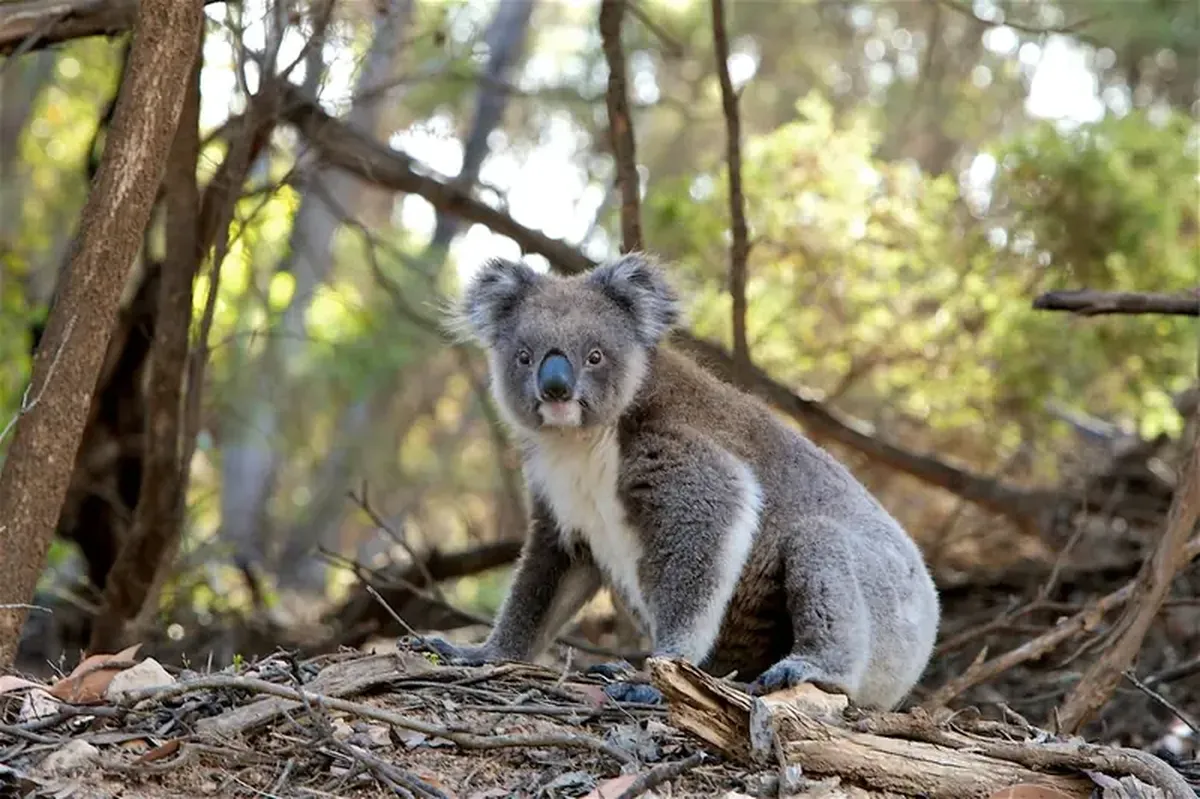
Koalas (Phascolarctos cinereus) typically come down from trees for about 10 minutes at a time — and those brief episodes are linked to two-thirds of their recorded deaths. That alarming statistic comes from a new study by researchers at the University of Queensland and the University of the Sunshine Coast in Australia.
Over the past three decades, the population of these cartoonish marsupials native to Australia has plummeted by 54 percent.
Millions of dollars are spent each year to protect koalas, focusing on habitat conservation and animal rehabilitation. Yet despite those efforts, most koala deaths happen while the animals are on the ground — primarily from vehicle collisions and dog attacks.
Traditional GPS tracking provides limited insight into these movements, because positions are typically recorded only once or twice a day.
“Koalas primarily live in trees, but due to widespread habitat loss, they increasingly have to move on the ground, putting them at serious risk of injury and death,” said Gabriella Sparks, a graduate student at the University of Queensland and the lead author of the study.
How Was the Study Conducted?
Gabriella and her colleagues set out to get a clearer picture of what koalas do when they come down from trees.
“We didn’t have a clear understanding of how often koalas come down from trees, how far or fast they move, how long they stay on the ground, and what influences these decisions. These are significant gaps in our knowledge,” the researcher explained.
To fill those gaps, the team used accelerometers — biologgers that capture three-dimensional movement at hundreds of samples per second. That technology let scientists determine the orientation and motion of koalas during specific ground excursions, as reported by Sci.news.
Over eight days, the researchers observed 10 wild koalas, outfitting them with collars that carried accelerometers and high-resolution GPS devices. The team found that koalas came down two to three times a day, spending an average of 10 minutes each time.
During a single ground visit, koalas covered an average distance of 260 meters, usually moving at about 1.7 km/h but occasionally hopping at speeds up to 10.4 km/h.
By combining accelerometer and GPS data, the scientists could identify the specific trees between which the koalas were moving.
“This gave us an incredibly detailed insight into how koalas navigate their environment. As the study confirmed, koalas spend most of their time in trees, sleeping and eating there, but the true extent of their attachment to trees was shocking,” Sparks said.
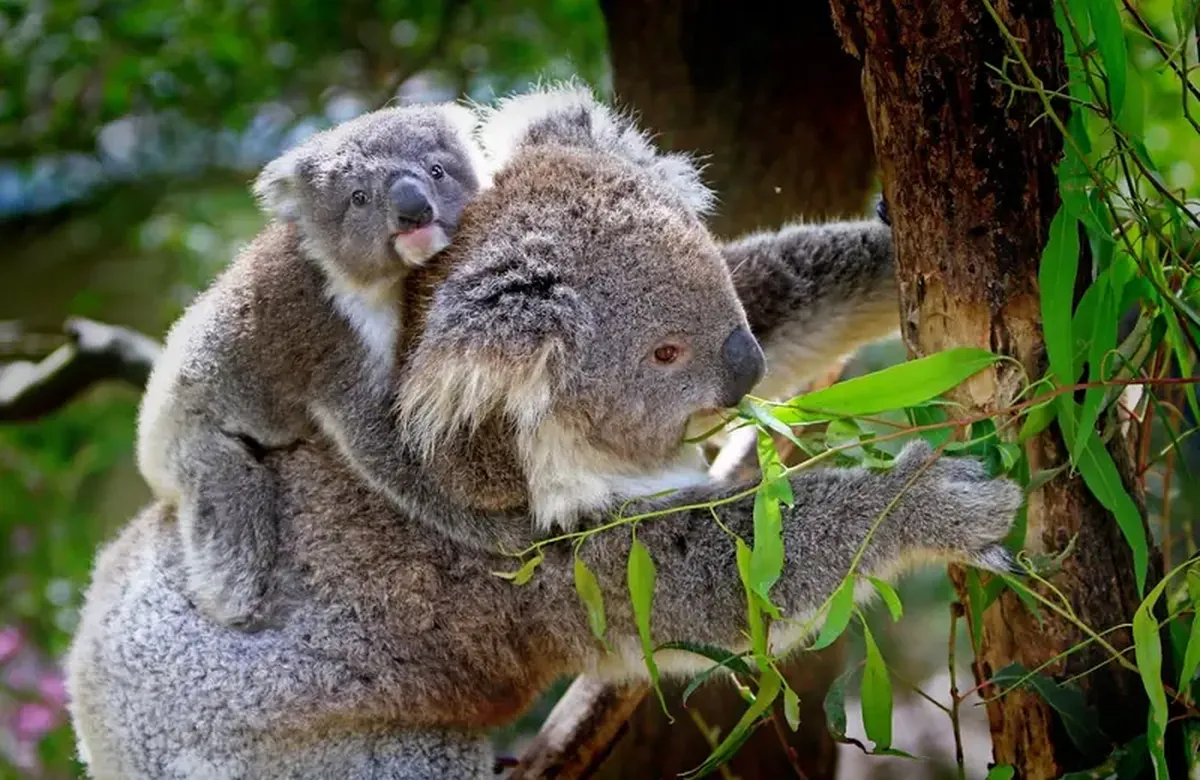
The researchers were surprised by how rarely and briefly koalas use the ground: 10 minutes account for less than one percent of their daily time. The animals spent nearly as many minutes sitting as they did walking, and only about 7 percent of their time was spent hopping.
The team suggested that this pattern might mean koalas carefully assess their surroundings while moving, perhaps evaluating potential trees before choosing one. Alternatively, the pattern could reflect the high energy cost of hopping.
This study is the first to document the brief ground movements of wild koalas and raises new questions about how they move through shrinking habitats.
The data give scientists a clearer understanding of koala behavior. In the future, that information should help researchers design more effective habitat-management strategies and reduce the risk of fatalities in high-risk areas. “This study is just one piece of the puzzle, but it sheds new light on how koalas interact with an environment that is constantly changing due to human impact,” Sparks said.
This month, the researchers presented their findings at the annual conference of the Society for Experimental Biology in Antwerp, Belgium.
