
 Gaby
Gaby
Japanese researchers studied how social isolation and loneliness affect older adults’ brains. They analyzed MRI scans from 8,896 Japanese people aged 65 and older.
Fewer Social Contacts – Smaller Brain Volume
Participants were asked how often they interacted with relatives and friends who don’t live with them — whether they met in person or talked on the phone. Respondents chose from: daily, several times a week, several times a month, or rarely.
Those with the lowest levels of social contact had significantly smaller brain volumes compared with those who had the most social interaction. Their total brain volume — the sum of gray and white matter as a percentage of total cranial volume — was 67.3% in the least-contact group versus 67.8% in the most-contact group.
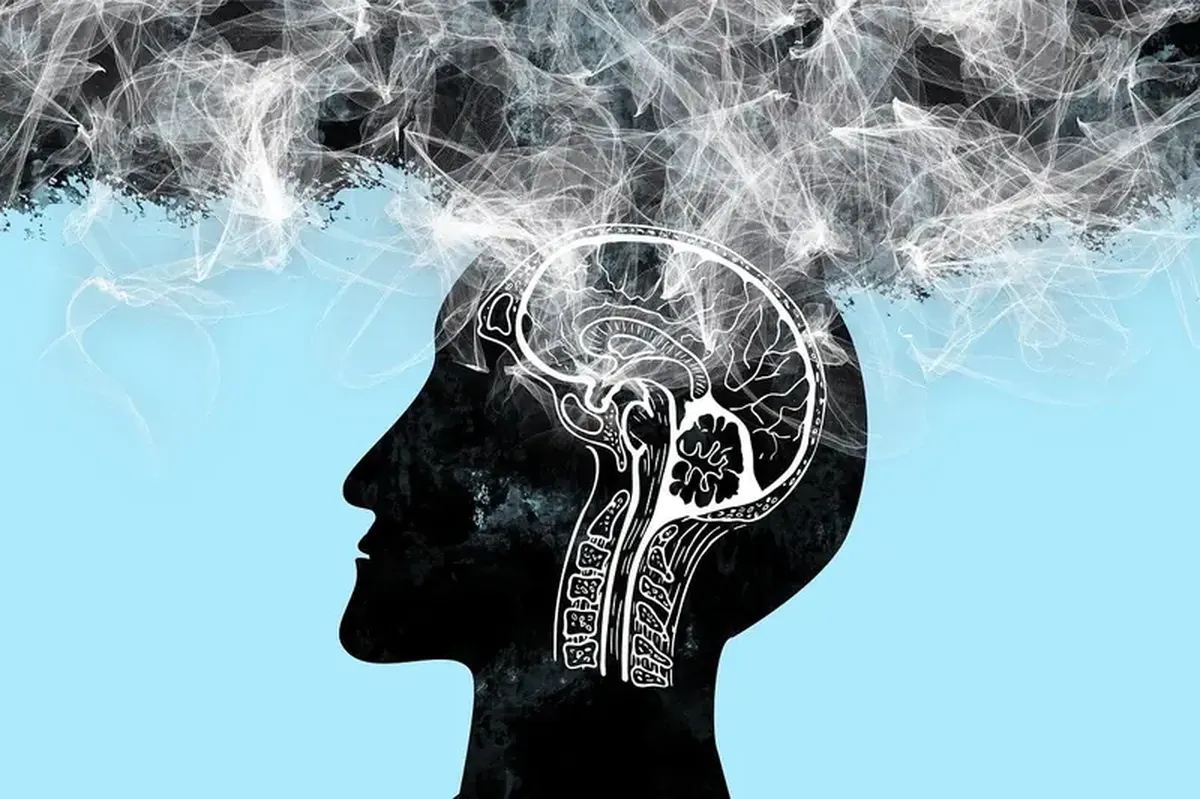 They also showed reduced volume in specific areas, including the hippocampus and amygdala, which are critical for memory and are linked to dementia. The hippocampus is one of the first regions affected by Alzheimer’s disease.
It’s possible that a lack of social contact accelerates the gradual brain shrinkage that comes with aging. Isolated people also tend to have unhealthier lifestyles, and those behaviors can harm brain health.
Dr. Toshiharu Ninomiya, the study’s senior author, says social isolation is becoming an increasingly pressing issue for older adults. The findings suggest that helping people maintain social connections could protect against brain atrophy and reduce the risk of dementia.
Loneliness-Linked Depression Partially Explains the Findings
The link between a lack of social contacts and reduced brain volume in these older Japanese adults persisted even after accounting for factors such as body weight, smoking, alcohol use, and diabetes.
However, the study found that individuals experiencing brain volume loss may notice personality changes, such as increased apathy. That can lead them to see people less often, which in turn may contribute to further brain changes.
 Socially isolated participants also had more small areas of damage in the brain known as white matter lesions compared with those who were socially connected. White matter lesions made up 0.3% of intracranial volume in the socially isolated group versus 0.26% in the most connected group.
Researchers found that depression, which is associated with reduced brain volume, explains part of the relationship between social isolation and brain shrinkage. Still, depressive symptoms accounted for only a small portion of the effect.
More Diverse Samples Needed
Ninomiya cautioned that this study does not prove social isolation directly causes brain atrophy. Some observations, however, suggested that keeping older adults in socially stimulating groups halted or even reversed brain volume loss and improved thinking and memory.
The sample consisted entirely of older Japanese adults, so more research is needed to determine whether these findings apply to other ethnic groups and to younger people.
