
 Carlos Solis
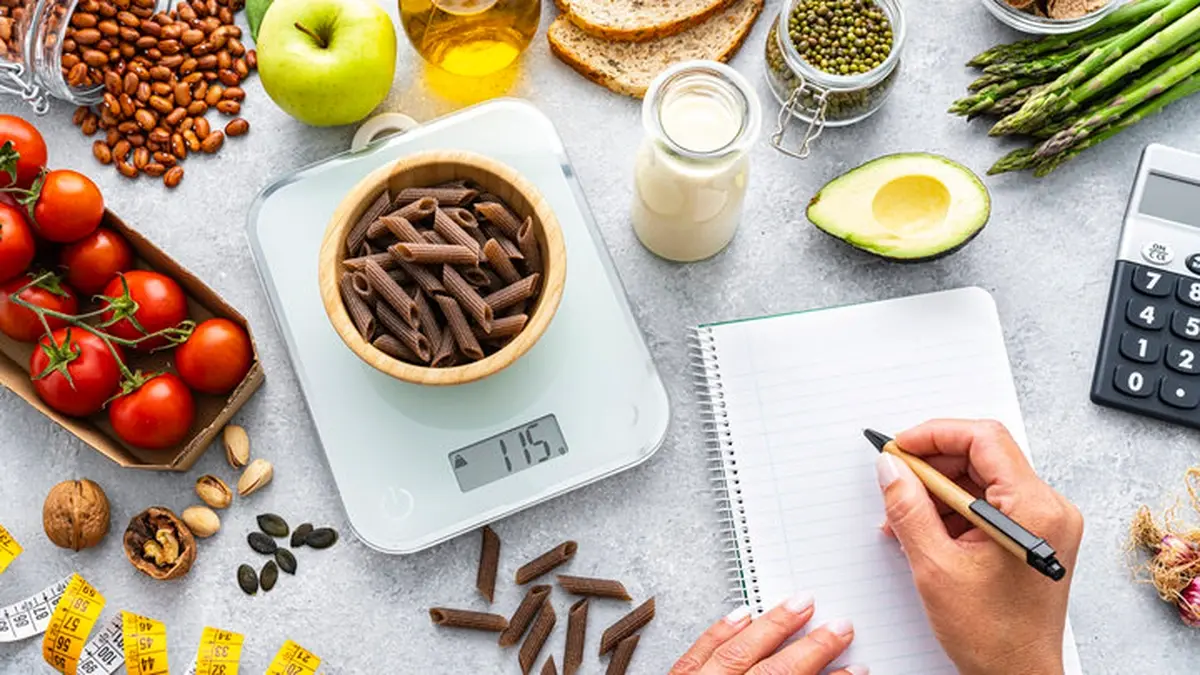 The term “calorie” refers to a unit of measurement for energy. The caloric value of foods and the amount of energy the body expends during daily activities are expressed in calories. In other words, it represents the energy that living cells store and use. The source of calories is food. Although the term “calorie” appears on packaging and in everyday conversation, it actually refers to kilocalories: one kilocalorie equals one thousand calories. Even using the correct terminology doesn’t eliminate errors in calorie counting, because the process depends on many factors.
How is the Energy Value of Foods Measured?
The word “calorie” comes from Latin and means “heat.” In physics, energy is measured in calories. One kilocalorie is the amount of energy required to raise the temperature of 1 liter of water by 1 degree Celsius. Every cell in the body requires calories to function, using them for energy. Energy is released when the food consumed is broken down during digestion. Generally, the number of calories expended by the body or contained in food should be interpreted as kilocalories: a kilocalorie (kcal) is 1000 calories (cal). Thus, a kilocalorie is the unit used to assess the energy value of foods and indicates how much energy the body derives from food.
The system for calculating caloric content was developed in the 19th century by American chemist Wilbur Atwater, who literally burned food and measured the amount of heat released during combustion. The scientist estimated human energy expenditure in a similar way, accounting for the energy present in waste products. He established that each gram of protein and each gram of carbohydrate contains 4 kcal, while each gram of fat contains 9 kcal. These figures are still used today to determine the caloric content of foods, although some modern nutritionists consider the classic method outdated and suggest that manufacturers’ calorie figures may need a roughly 25% adjustment.
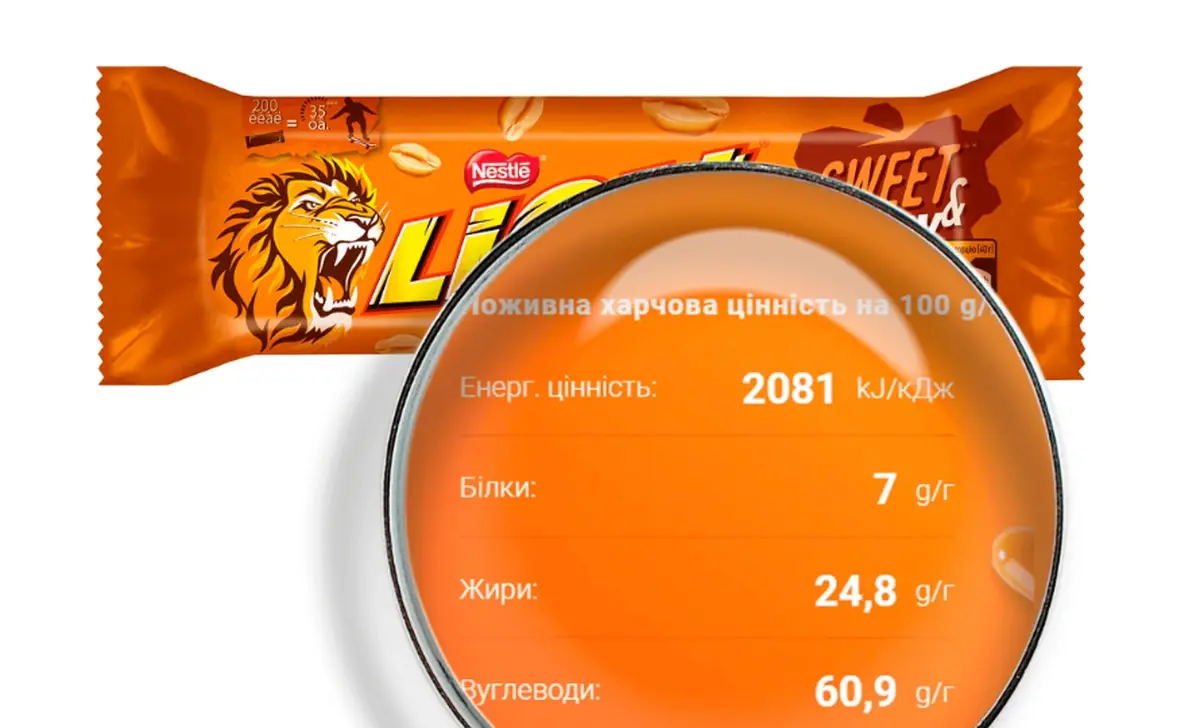
Experts say the true caloric content of food should be determined not only by a food’s energy content but also by how much of it the body can absorb. The process of chewing also affects the result: calories are expended in muscle work. The more protein and fiber a food contains, the harder the body has to work to digest it. In contrast, modern convenience foods (dishes made from ground meat, instant cereals, and many desserts) are absorbed more quickly and more completely. When choosing between a ground-meat patty and a whole piece of meat, keep in mind that, for the same listed caloric content, the body will extract more calories from the patty than from the whole cut.
What Should Be the Daily Caloric Intake?
The number of calories expended for daily activities and obtained from food is proportional to a person’s level of physical activity. High activity requires the most energy, moderate activity requires a medium amount, and the least energy is expended during a sedentary lifestyle. A desk job indicates low physical activity. Moderate activity is equivalent to walking 2.5–5 km at a speed of 5–6 km/h (in addition to a sedentary lifestyle). High activity corresponds to walking the same speed over a distance of more than 5 km. Daily caloric needs for men are higher than for women, and both figures tend to decrease after age 50.
To determine how many calories a specific person needs each day, consider not only their activity level, gender, and age, but also individual physical parameters: height, weight, metabolic rate, and any underlying health conditions (such as hormonal imbalances). There are several methods for calculating daily caloric intake. The most accurate common calculation is the Mifflin-St Jeor formula, which determines the Basal Metabolic Rate (BMR), or the number of calories burned by the body at rest.
Daily Caloric Intake for Men (Basal Metabolic Rate): BMR = (10 × weight in kg) + (6.25 × height in cm) – (5 × age in years) + 5.
Daily Caloric Intake for Women (Basal Metabolic Rate): BMR = (10 × weight in kg) + (6.25 × height in cm) – (5 × age in years) – 161.
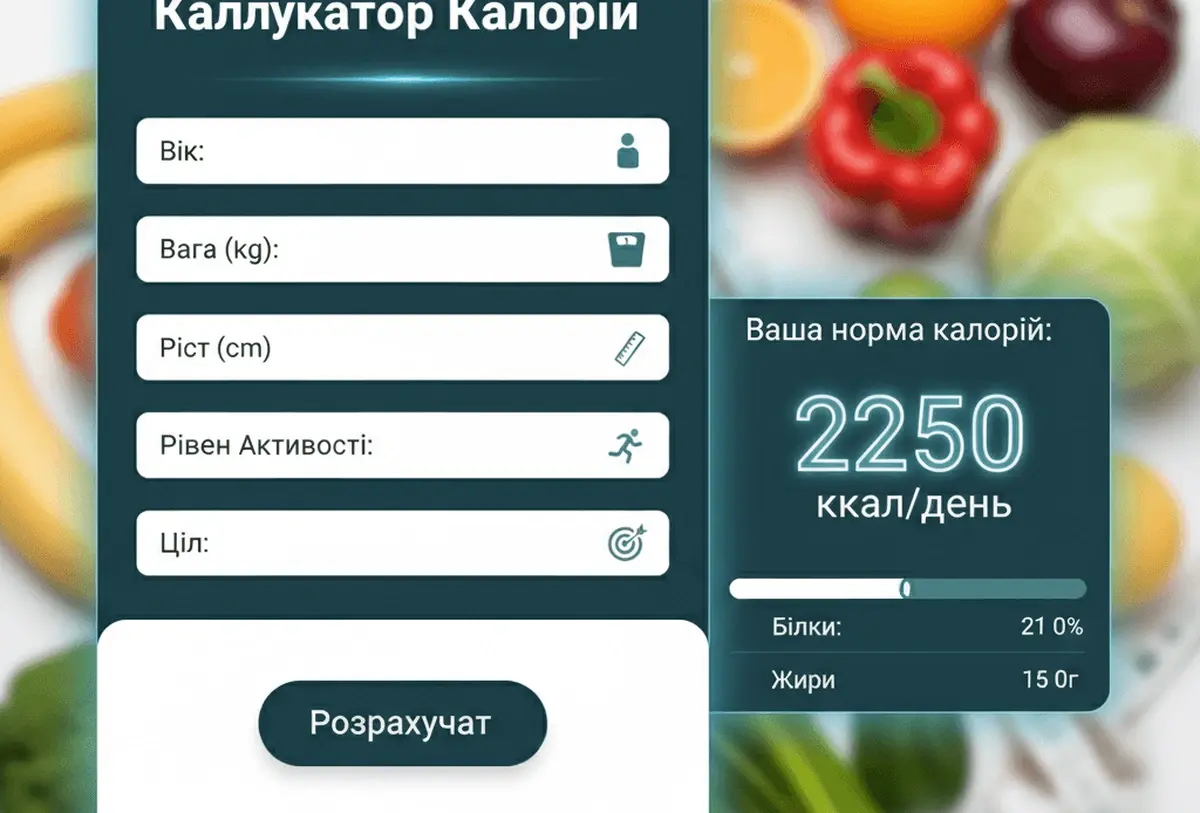
In addition to personal parameters, the daily caloric intake also considers a physical activity coefficient. Multiply the Basal Metabolic Rate (BMR) obtained from the formulas by the physical activity coefficient (A).
Total Daily Caloric Intake = BMR × A.
The coefficient A varies from 1.2 for minimal activity to 1.9 for very high activity:
- minimal activity – A=1.2;
- light activity – A=1.375;
- moderate activity – A=1.55;
- high activity – A=1.725;
- extra-active – A=1.9.
For example, for a 50-year-old woman with moderate activity, weighing 70 kg and standing 170 cm tall, the number of calories burned throughout the day would be: (70 × 10) + (170 × 6.25) – (50 × 5) – 161 = 1351.5 kcal. An example for a man: (70 × 10) + (170 × 6.25) – (50 × 5) + 5 = 1517.5 kcal. The Mifflin-St Jeor formula can be used to estimate kilocalorie needs for individuals aged roughly 13 to 80 years.
Another method for calculating daily caloric intake is the Harris-Benedict formula.
Daily Caloric Intake for Men (Basal Metabolic Rate): BMR = 88.36 + (13.4 × weight, kg) + (4.8 × height, cm) – (5.7 × age, years).
Daily Caloric Intake for Women (Basal Metabolic Rate): BMR = 447.6 + (9.2 × weight, kg) + (3.1 × height, cm) – (4.3 × age, years).
When using any calorie calculator, allow for some margin of error in the calculations, because it’s difficult to account for all influencing factors.
How Does Food Caloric Content Affect Weight?
You gain weight when you consume more calories than you expend. The energy value of foods and dishes matters because unburned energy from caloric food accumulates in the body as fat tissue, while a calorie deficit forces the body to use stored energy reserves, leading to weight loss. Weight remains stable when caloric intake and energy expenditure are balanced. A safe way to lose weight involves reducing calorie intake while increasing physical activity.
To avoid the side effects of rapid weight loss, which can be stressful for the body, dietitians recommend keeping a daily energy deficit (the difference between energy expended and the number of calories in consumed foods) within 500–700 kcal, which would lead to a weekly weight loss of about 0.5–0.7 kg. Conversely, a daily energy surplus of 500–700 kcal can lead to a weight gain of roughly 500–700 g per week. You can calculate your calorie deficit or surplus using reference data about the energy value of foods.
In addition to counting calories, pay attention to the composition of the foods you eat. A lack of protein, fruits, and vegetables, combined with a predominance of fatty and sugary foods or excessive alcohol consumption, creates a nutrient imbalance. The consequences of consuming “empty calories” include elevated blood sugar levels, increased insulin production, and fat accumulation due to overeating triggered by heightened hunger. Regardless of calorie count, a deficiency in protein and vitamins and minerals can lead to dysfunction in the body’s organs and systems.
Kilocalories in Foods
Technology can now estimate a dish’s caloric content from its appearance: photograph the dish and software recognizes the components and converts the image into calories. The margin of error in calorie counting by picture is reported to be less than 4%.

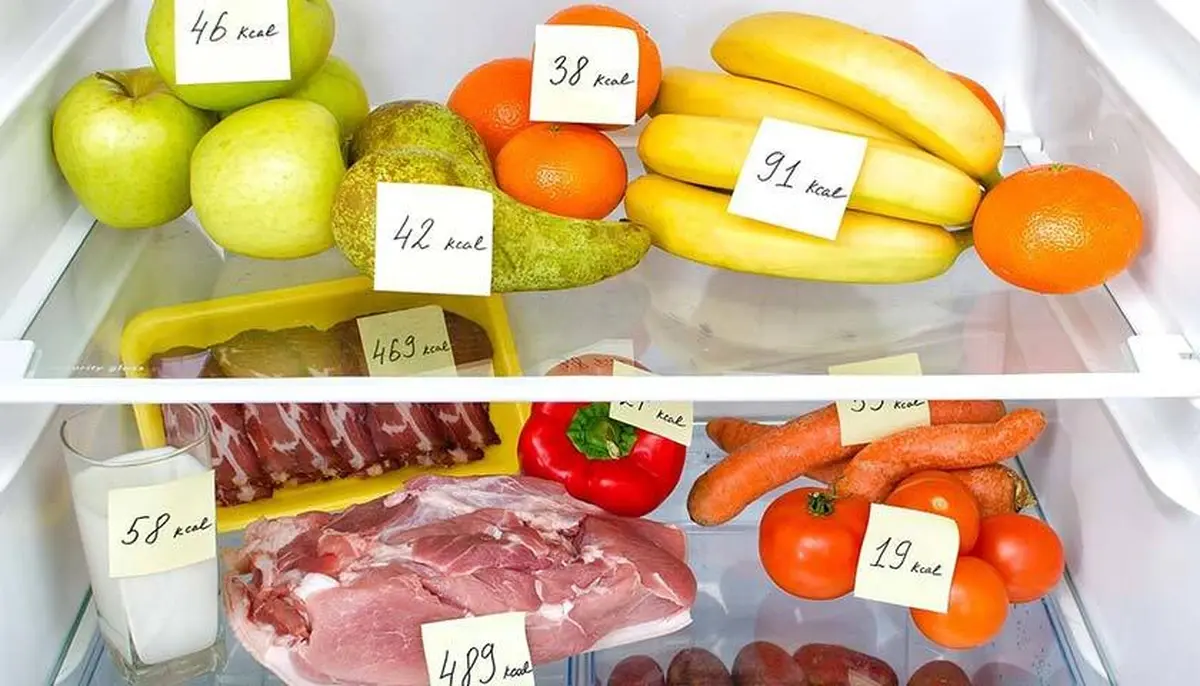
Low-calorie foods are generally vegetables and other items with an energy value not exceeding 40 kcal per serving.
Examples of Low-Calorie Foods:
- boiled chicken – 90 g;
- baked beans – 150 g;
- boiled rice – 2–3 tablespoons;
- yogurt – 130 g;
- cucumbers, tomatoes, sweet peppers, plums, apricots, strawberries, raspberries, grapes – 80 g;
- apple, orange, or banana – 1 piece;
- dried fruits – 30 g;
- non-alcoholic beverage – 150–250 ml.
High-calorie foods are those with an energy value exceeding 200 kcal per serving.
Examples of High-Calorie Foods:
- mackerel – 140 g or 2 pieces;
- toast with peanut butter or cheese – 2 pieces;
- nuts – 40 g;
- chocolate bar – 50 g;
- milkshake – 400 ml;
- full-fat yogurt – 150 g.
The caloric content of foods is strongly influenced by the amount of carbohydrates and fat: 100 g of sugar provides more than 350 kcal, while 100 g of fat can reach up to about 900 kcal. Some people try to lose weight without giving up favorite dishes by using so-called “calorie blockers” — dietary supplements that claim to prevent the absorption of fats and carbohydrates. The first such developments for sports purposes appeared in the 1980s. These early products were based on an enzyme intended to prevent the absorption of starch. Modern calorie blockers often come from white bean extracts; they aim to block amylase, the enzyme that breaks down starch (and thus limit the calories coming from excess simple carbohydrates).
However, in addition to starch, carbohydrates enter the body as glycogen and simple sugars, which are the most harmful in excess. To block all amylase would require excessively high doses of a drug, which could pose health risks. Experimental studies have shown that calorie blockers do not reliably promote weight loss and can even increase weight gain due to compensatory mechanisms in the digestive system. Another class of products is chitosan-based supplements — often marketed as “fat magnets.” These claim to reduce weight by blocking fat absorption: fats are converted into insoluble compounds and pass through the intestines without being absorbed. Chitosan, derived from crustacean shells, does not bind all fats, does not block carbohydrates, and can disrupt the vitamin and mineral balance in the body.
How to Reduce the Caloric Content of Foods?
To lose weight, the speed at which glucose rises in the blood matters, because energy and fats are ultimately formed from glucose. This factor is reflected in the glycemic index (GI) of foods. High-GI foods are digested quickly and sharply raise glucose levels, prompting the body to store energy. Then glucose levels fall quickly, and the body experiences a hunger spike, which can lead to overeating. Neutralize caloric dishes with vegetables. The higher the calories in a dish, the more vegetables with fiber you should eat alongside it: fiber slows the absorption of fats and carbohydrates, extends satiety, and reduces daily caloric intake. Aim for a ratio of low-fat dish to vegetables of about 1:2; if the dish is rich in fats or carbohydrates, aim for about 1:3.
Another useful rule is to lower the overall glycemic load throughout the day. For dinner, avoid carb-heavy foods — choose cheese, lean meat, or kefir instead. Besides sugar, the highest GI values are found in products and dishes that contain simple sugars or have been heavily processed and then reheated, because those foods are absorbed quickly. To control weight without resorting only to kefir, reduce the calorie content of your usual meals by changing ingredients or cooking methods. For example, reduce the fat content of dairy and meat dishes and decrease portion sizes. Gradually trim about 300 kcal from your daily menu. To enhance the effect, burn calories for half an hour each day.
Alternate aerobic activity (exercises that raise heart rate) with intense muscle training. Try jumping, squats, push-ups, and crunches for home workouts. Brisk walking for half an hour can burn about 150 kcal. Moving over uneven terrain with inclines and declines increases energy expenditure. You can also spend 15 minutes a day hula-hooping or doing active cleaning around the house. By turning household chores into fitness, you can burn 700 kcal a week or 3,000 kcal a month — equivalent to about two hours of aerobics.
How to Count Calories During Mental Work?
When a person thinks, the active consumers of energy are the brain, lungs, and heart, which require nourishment — not the body’s less active muscles. The brain runs on glucose, so very low-carbohydrate diets are not suitable for people doing a lot of mental work, while limiting fats can be beneficial in some cases. A steady supply of glucose to the brain (without spikes) is ensured by complex carbohydrates. Starch from whole grains releases glucose slowly, helping the body maintain performance and energy. During mentally demanding work, choose cereals, whole-grain side dishes, or muesli with a spoonful of honey and some nuts to satisfy hunger. Sweets, pastries, and other simple carbohydrates are not the best choice for restoring productivity because they cause a rapid glucose spike; the brain cannot use all of that glucose and the excess will be stored as fat.
To renew the proteins of the immune system (since a sedentary lifestyle, common among people who work mentally, can lower immunity), include dietary protein in your diet. However, excess protein can sit undigested in the intestines if peristalsis is weak, so limit portions to about 100 grams — roughly a small patty or a piece of fish. Avoid spreads, chips, pizza, crackers, and other fast foods that are high in simple carbohydrates and unhealthy fats but low in vitamins and minerals. Dry foods are poorly absorbed and, in conditions of low mobility, can lead to constipation. The downsides of constantly sitting at a computer include slowed intestinal transit, impaired circulation, lack of muscle load, and static strain on the spine.
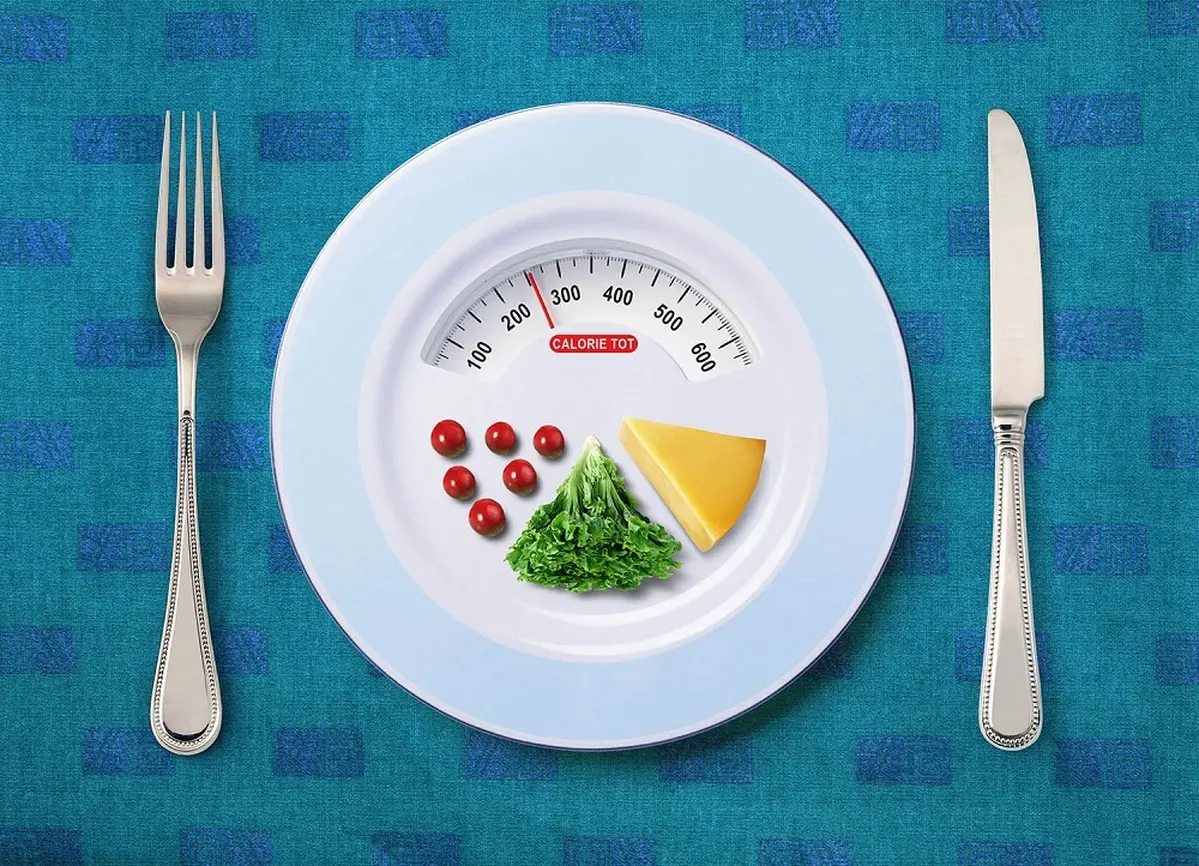
Controlling weight under such conditions can be helped by so-called negative-calorie foods, which require more energy to digest than they provide. Negative-calorie foods are typically watery, low-calorie vegetables such as lettuce, onions, cucumbers, and sauerkraut, which also support digestion and metabolism, according to American nutritionist Mike Adams. In short, this topic is inexhaustible, just like some people’s attention to calories. Dietitians offer a lighter note: “Doctor, which food has the lowest calorie content?” — “The one you eat with your eyes.”
