
 Gaby
Gaby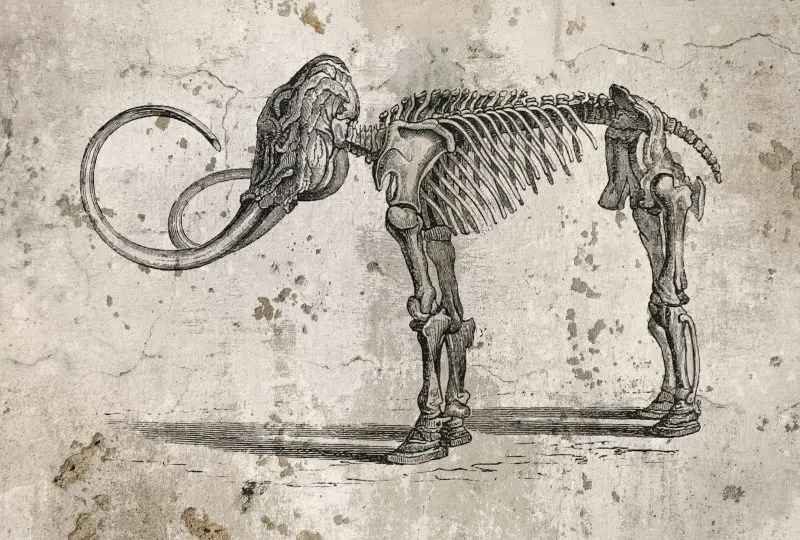
Radiocarbon dating of tooth fragments from huge animals found in Brazil shows some megafauna species survived much longer than scientists thought. Researchers at the Federal University of Rio de Janeiro found a diverse population of South American megafauna, and some of these animals roamed the continent until only a few thousand years ago. For decades, scientists believed that mammalian megafauna—large species like mammoths, giant ground sloths, and saber-toothed cats—went extinct at the start of the Holocene. The Holocene began about 11,700 years ago, at the end of the last major ice age. But more recent evidence has shown that woolly mammoths survived until about 4,000 years ago. Now fossil samples suggest other megafauna species persisted in South America as late as 3,500 years ago. Those findings are prompting researchers to rethink what finally drove the megafauna extinctions and indicate the process wasn’t uniform across regions.
What did the scientists discover? A team led by geologist Fábio Henrique Cortes Faria radiocarbon-dated tooth fragments from megafauna recovered at two fossil sites in Brazil. The teeth belonged to the extinct American llama Palaeolama major and the camel-like Xenorhinotherium bahiense, and they turned out to be much younger than expected. The data show that these megafauna lived in Brazil during the middle and late Holocene. That timing means the animals overlapped with humans, who arrived in South America between about 20,000 and 17,000 years ago, according to IFLScience. Evidence for a longer period of coexistence raises questions about established theories for why these giants went extinct.
The team says the extinction of megafauna in South America has been attributed to many factors, including climate and environmental changes. Another common explanation blames human hunting and landscape alteration. The new radiocarbon dates make those single-cause explanations harder to sustain. It’s more likely the megafauna extinctions were drawn-out and uneven, rather than a single continent-wide event. The part of Brazil where the fossils were found may have acted as a refuge, allowing some large species to persist longer than elsewhere. The study appears in the Journal of South American Earth Sciences.
