
 Carlos Solis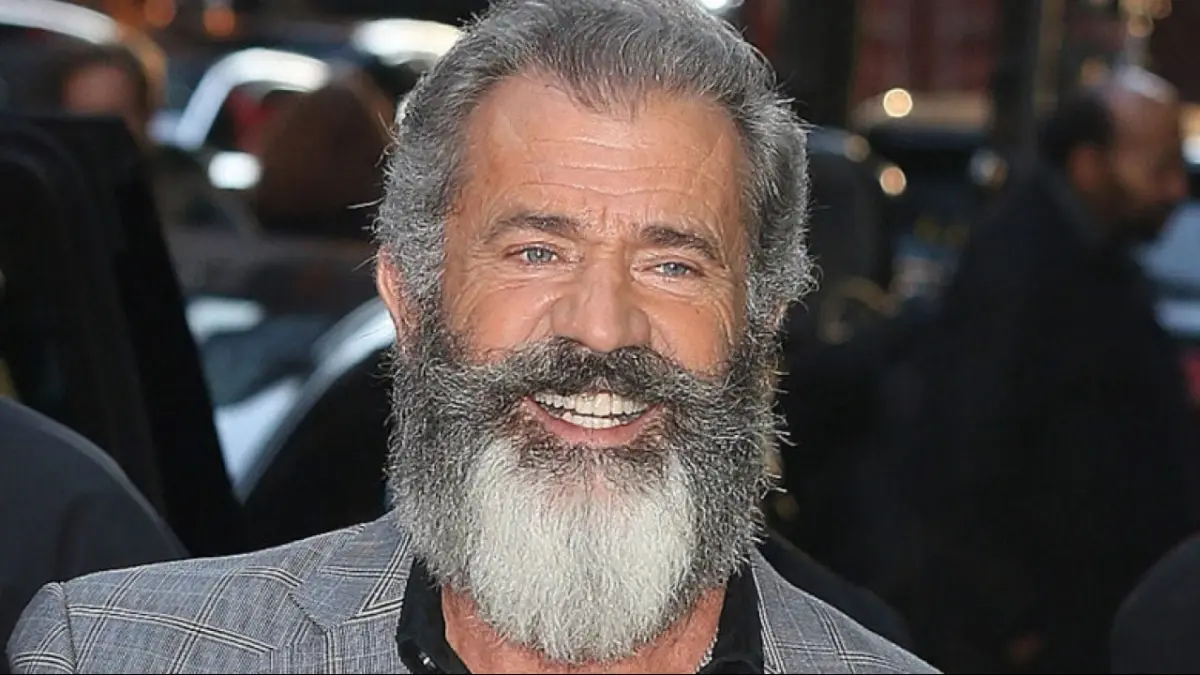
Mel Gibson continues to astonish the world with his multifaceted talents. For years, people have recognized one thing: everything this Australian-American actor and director of Irish descent seems to touch turns to gold.
Despite that, Gibson has often seemed underrated and underappreciated. Maybe it’s jealousy from some peers in the film industry, who were quick to criticize him after each success. Or maybe it’s his streak of nonconformity. Everything he has done has somehow deviated from the norm—especially in Hollywood, where public figures tend to march in step and even outrageous behavior can feel choreographed for the media.
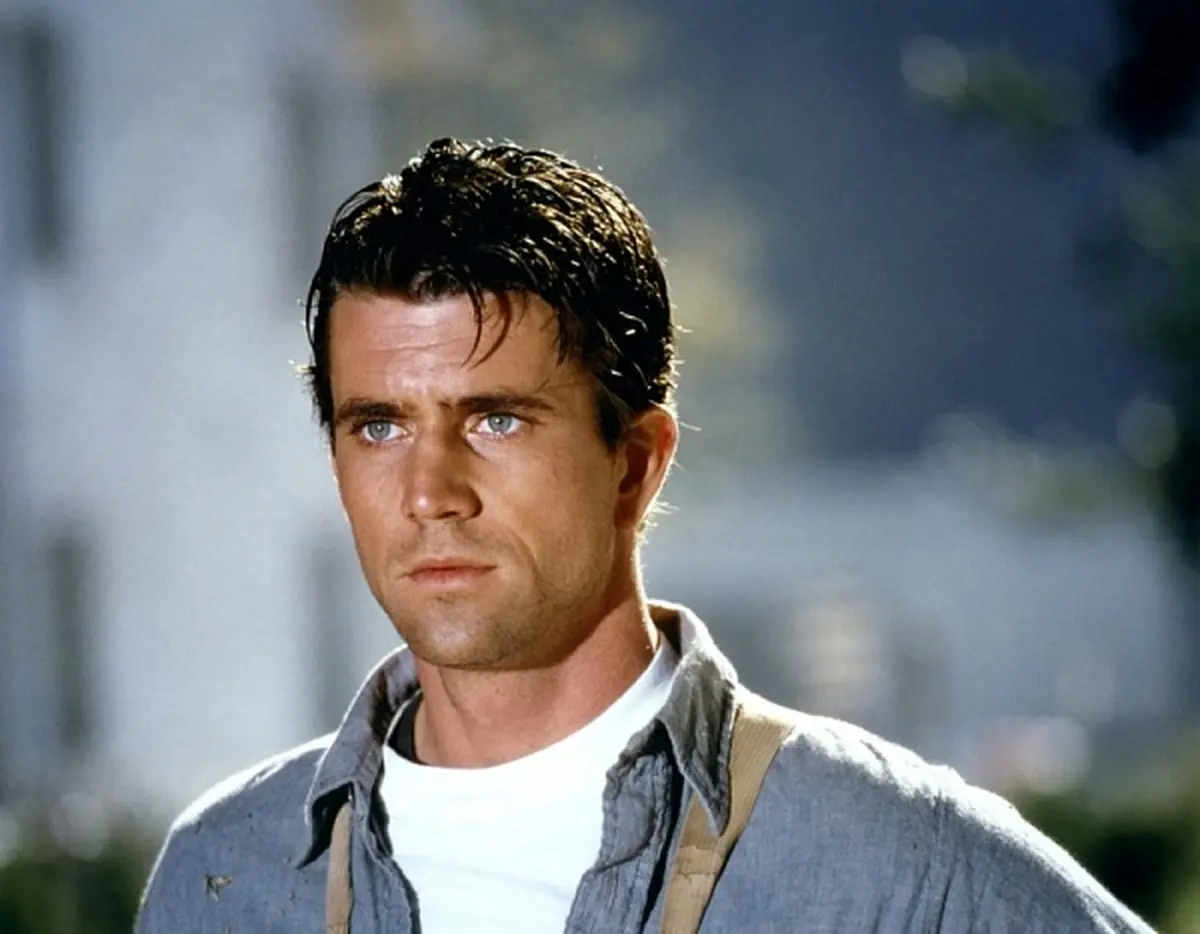
In his youth, Mel Gibson’s seemingly carefree appearance was deceptive. Beneath that charming exterior and cartoonish eyelashes sat a volcano of ideas and passions.
His personal passions were many. Mel—a bundle of contradictions—constantly offered the public food for thought with wild adventures that stood in stark contrast to his youthful modesty. In the 1970s, at the height of the sexual revolution, the young actor viewed bedroom acrobatics as sinful and dreamed of marrying a pure maiden. Fortunately for him, he never became a puritan. Or perhaps unfortunately, since he often found himself ensnared in temptations and intrigues. Even so, he became a devoted father (Gibson has nine children by three different women).
Many biographers who hoped to cash in on sensational details about Gibson’s life ended up failing. Writers didn’t uncover scandalous revelations; they only made this multifaceted man with a radiant smile harder to understand.
But let others write about his personal life. It’s a distraction when discussing someone who shines so brightly in his creative work.
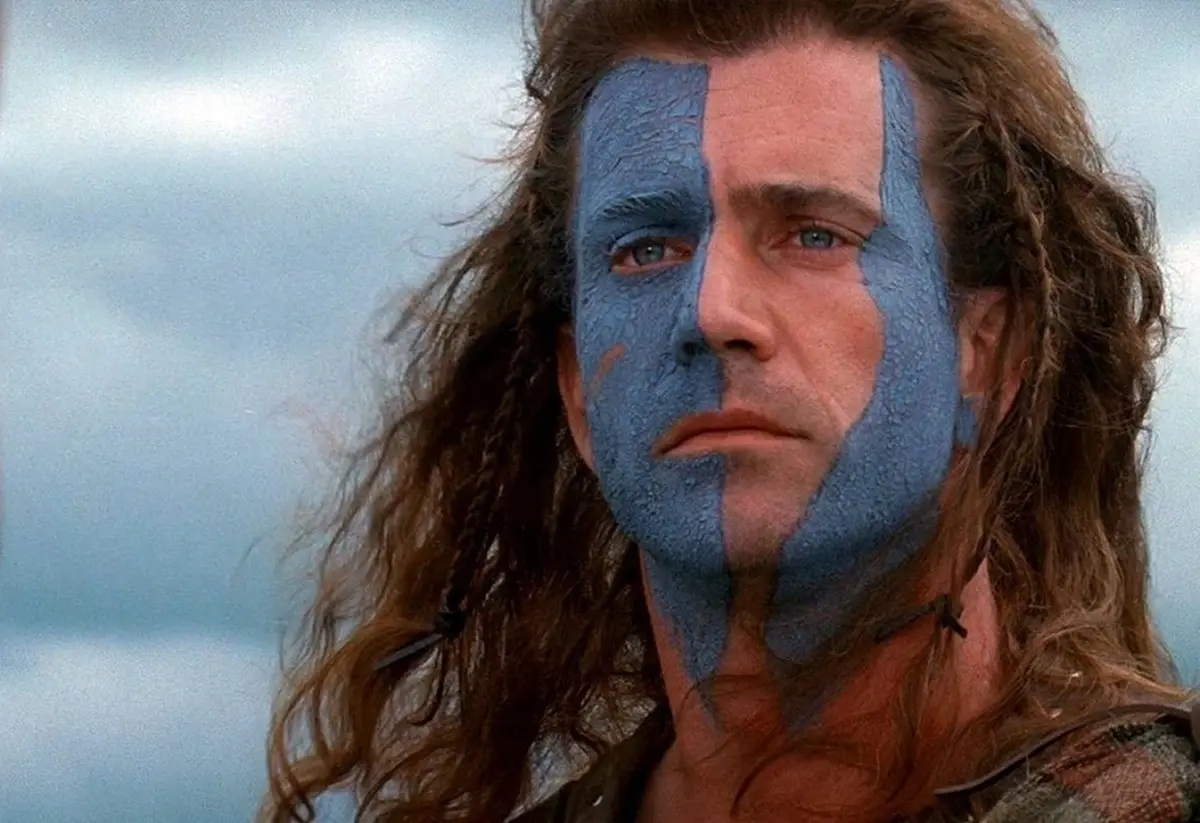
Braveheart
In 2004, Gibson once again shattered expectations. He directed “The Passion of the Christ,” a film in Aramaic, Latin, and Hebrew that depicts the last twelve hours of Jesus’s life and his martyrdom. Still, audiences had already noticed Gibson’s taste for graphic storytelling. In “Braveheart” (1995), he directed and starred as the valiant knight William Wallace, and the film made viewers squirm during the detailed execution scene. As a result, Gibson’s cinematic creation garnered several awards, including one for Best Director. For a moment, film fans seemed to forget that the director of this epic was the same actor who played Mad Max, Hamlet in Zeffirelli’s unconventional adaptation, a desperate detective in “Lethal Weapon,” a con artist in “Maverick,” and a charming heartthrob in “What Women Want.”
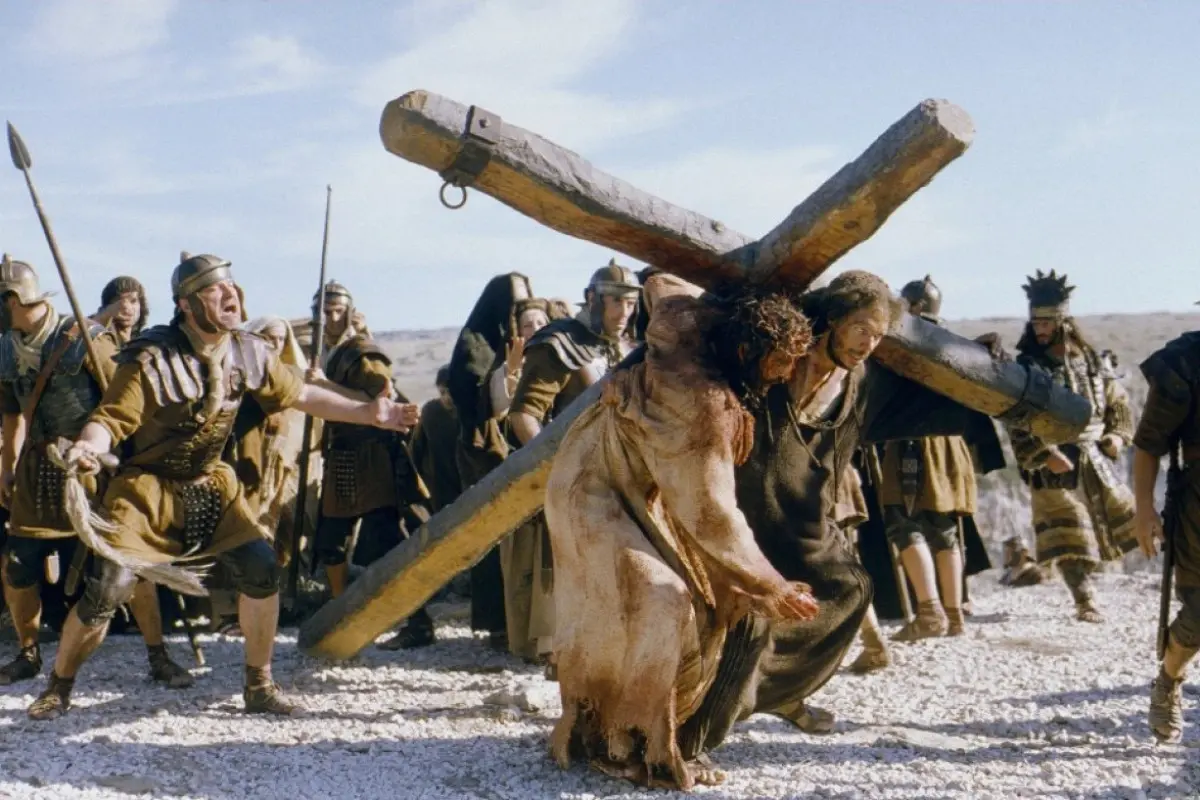
The Passion of the Christ
Maybe creating his own studio, producing films for himself and others, writing scripts, and his fervent passion for directing were Gibson’s answers to the industry’s narrow perception of him. Rumor has it that early in his career he despaired at being asked to show his backside from film to film. But he soon dove into more ambitious projects, leading massive crews that followed his strict rules.
That was the case, for example, when Gibson directed the epic action film “Apocalypto” about the decline of the Maya on the eve of the Spanish invasion. He and like-minded colleagues traveled to the Mexican town of Catemaco, known for shamanic traditions, and besides a few professional actors they invited local residents—descendants of the ancient Maya—to take part in the filming. As always, Gibson imposed specific requirements to make what appeared on screen feel authentic: rituals, dances, daily life, and language. All dialogue in the film was in Yucatec, a modern Mayan language.
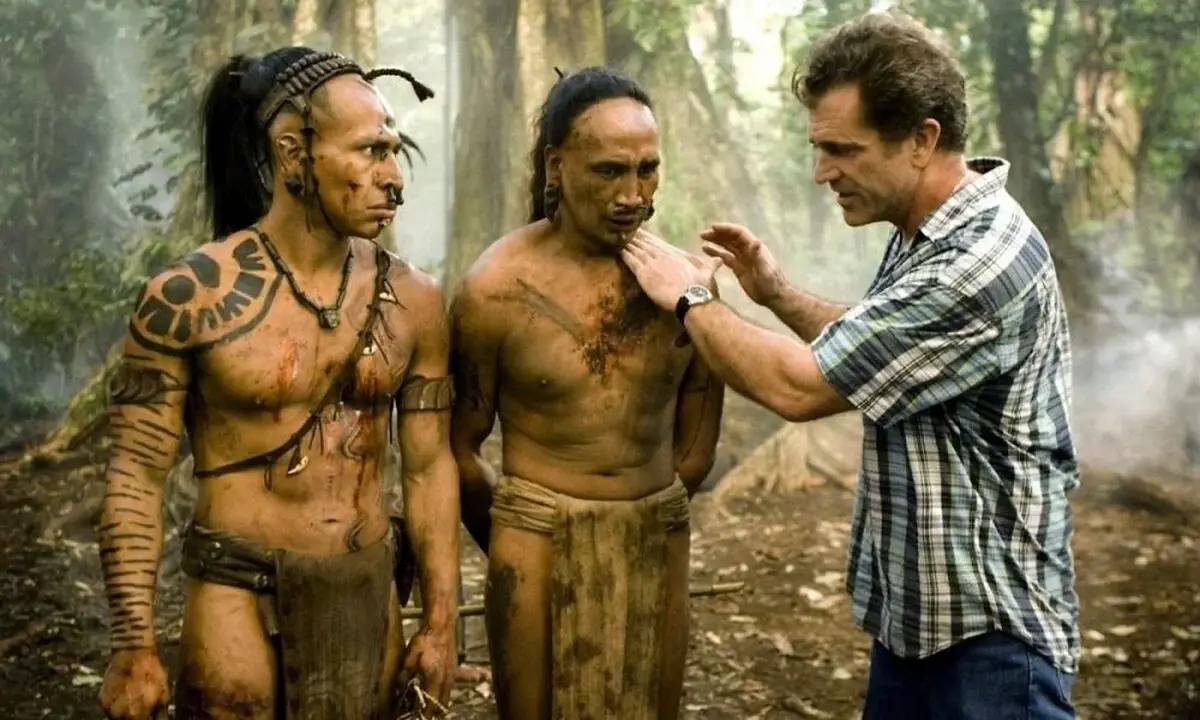
Apocalypto
This wasn’t showboating. These choices reflected his love for life and for portraying its truths, no matter how raw.
Gibson’s contradictions have annoyed people who wanted him to be just a nice, one-dimensional celebrity for decades. But despite everything, he’s anything but flat. He has long been on a relentless search for meaning, even when life took a downturn and he appeared in forgettable films instead of directing his own.
As he approaches his current milestone birthday, Gibson does so with notable energy and enthusiasm. Over the past fifteen years, the only major directorial event was the war drama “Hacksaw Ridge” (2016). So it’s time for something big again. If things go according to Gibson’s plans, that project will be a two-part sequel to “The Passion of the Christ” titled “The Passion of the Christ: Resurrection.” The budget is $200 million. Premiere dates for the two parts are set for March 26 and May 6, 2027. Shot from Gibson’s renewed perspective on life, the sequel promises unexpected casting choices, another dose of piercing hyper-realism, and a fresh interpretation of Jesus’s resurrection.
May this ambitious new project mark another convincing and spectacular triumph on Hollywood’s Olympus—convincing and spectacular.
Selected Filmography
Actor: “Mad Max” (1979, 1981, 1985), “Lethal Weapon” (1987, 1989, 1992, 1998), “Hamlet,” “Bird on a Wire,” “Air America” (1990), “Maverick” (1994), “What Women Want,” “The Patriot” (2000), “The Beaver” (2011), “Machete Kills” (2013), “The Professor and the Madman” (2019), “Continental” (2023).
Director: “The Man Without a Face” (1993), “Braveheart” (1995), “The Passion of the Christ” (2004), “Apocalypto” (2006), “Hacksaw Ridge” (2016), “Dangerous Waters” (2025).
