
 Gaby
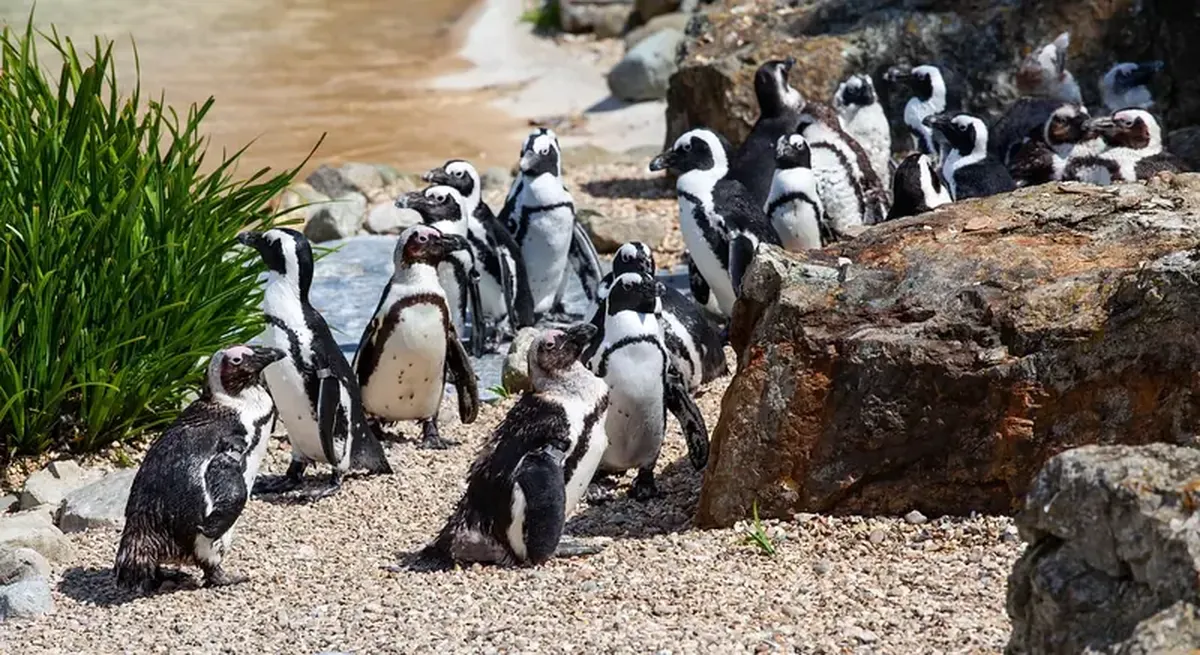
GabyContrary to popular belief, penguins aren’t models of marital fidelity. While many penguin species are considered monogamous, the idea that these birds pick a single lifelong partner and never stray is a misconception. A team from Monash University in Australia studied a mega-colony of little penguins (Eudyptula minor) on Phillip Island and found that the penguins’ divorce rate is far higher than humans’. Little penguins often mate with the same partner for years, but researchers say about 50 percent of pairs eventually separate.
What did the team discover? Although most penguin species re-pair with the same partner from the previous breeding season, those bonds don’t always last a lifetime. The mega-colony on Phillip Island has more than 37,000 birds, giving researchers a large sample to study pair dynamics. Over 12 breeding seasons, the university team recorded roughly 250 divorces among a cohort of around 1,000 paired individuals. By comparison, the annual divorce rate in the U.S. is about 2.4 per 1,000 marriages — nearly ten times lower than the penguins’ rate in this study.
“Penguins generally remain loyal to their partners, although they often have flings on the side,” said ecophysiologist Richard Reina, who has studied the island colony for 20 years. “After an unsuccessful breeding season, they may seek a new partner for the next season to improve their chances of reproductive success.” So little penguins aren’t especially devoted. They’re not the only species that shatters the human idea of eternal penguin love. For example, emperor penguins (Aptenodytes forsteri) and Adélie penguins (Pygoscelis adeliae), which usually pair up, also stray. One previous study found that only 15 percent of emperor penguins stay with the same partner across multiple breeding seasons.

Penguin divorces can help the species reproduce. Last year, marine biologist Andrea Chiariadia from Monash University told ABC that climate change has pushed little penguins on Phillip Island to breed earlier, which gives them more opportunities to mate with others. “They could have four to five partners in one night,” he said. He believes the divorce rate among little penguins is the most consistent predictor of the colony’s reproductive success. The study’s authors write, “In little penguins and other seabirds that pair for several seasons, reproductive success tends to increase over time. However, divorce can also be an adaptive strategy to enhance long-term reproductive success, especially when previous reproductive success has been low.”
During such times, a “higher-quality” partner may emerge and replace a lower-quality individual, the study says. The findings were published in the journal Ecology and Evolution.
