
 Gaby
Gaby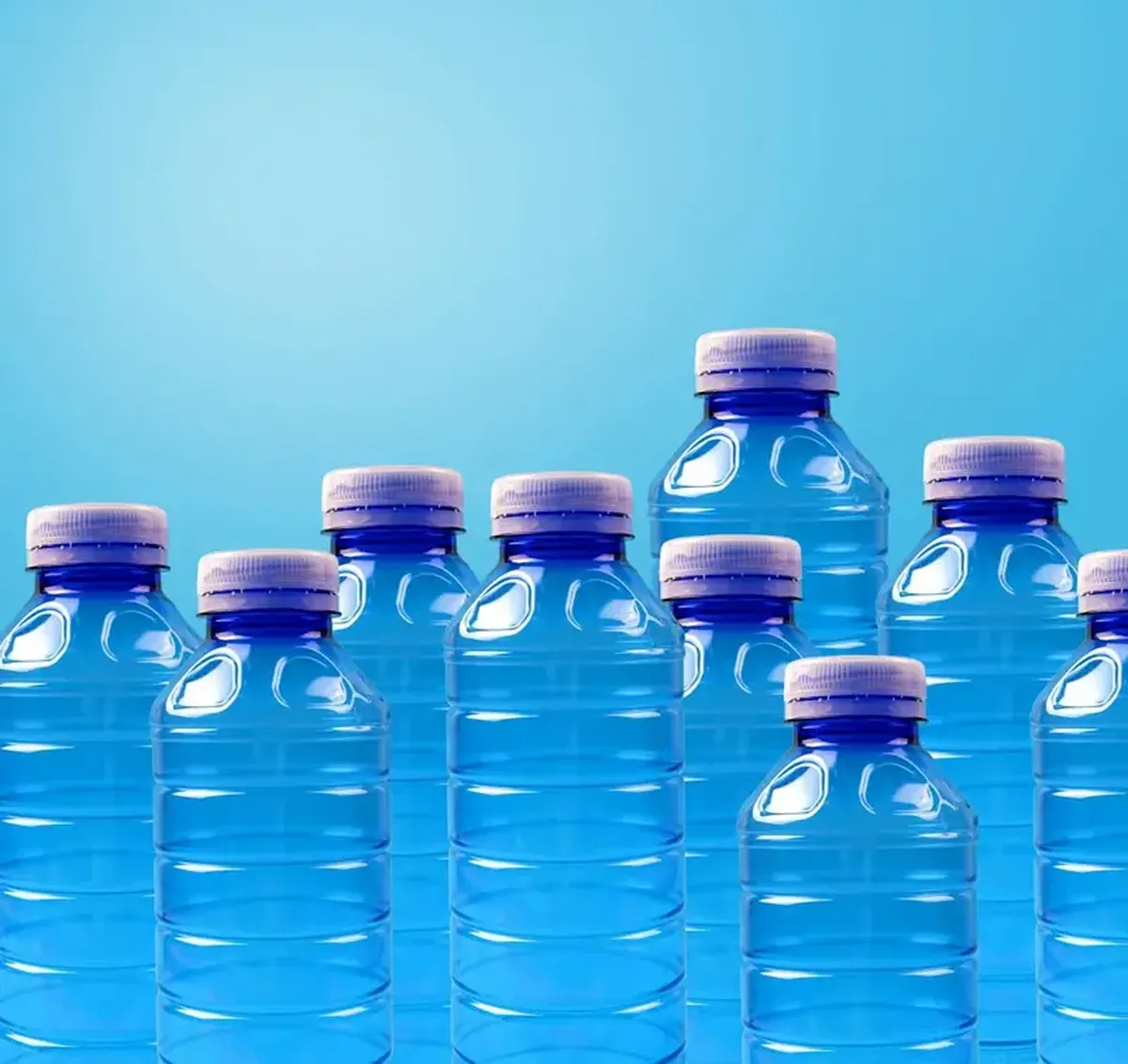
This change is driven by efforts to protect the environment.
Who would have thought that opening a plastic bottle could ruin your mood for an entire week? What was once a simple action has now turned into a dramatic affair. Try taking a sip from the bottle, and you’ll find yourself making awkward faces as the cap jabs your nose or pokes your chin. In the worst-case scenario, the liquid spills into the cap and inevitably splashes onto your clothes. You end up feeling like a baby in a bib.
If you attempt to break the thin piece of plastic connecting the cap to the rim around the bottle’s neck, you risk spilling your drink all over yourself again. But for now, this is the only way to end the struggle.

How This Idea Came to Be
This tiny addition to the bottle has turned a straightforward process into a risky endeavor. Opinions on this clever cap are divided. Some see it as a necessary step toward making our planet more environmentally friendly. Others have taken to social media to declare it “the worst thing to happen to humanity since headphone jacks were removed from smartphones.” Of course, that’s an exaggeration, but it reflects the outrage some consumers feel about the inseparable cap.
The simplest description is “attached.” The design comes from a European Union directive first proposed in 2018. A year later it was approved, with a deadline for the caps to appear on the European market: July 3, 2024. From that date forward, caps on all plastic beverage bottles with a capacity of three liters or less must remain attached to the neck after the container is opened. The rule applies across EU countries, though some other nations have adopted the change as well.

Why Is This Necessary?
The designers weren’t trying to annoy thirsty people. Their focus was a serious problem: plastic waste. According to the Independent, around 400 million tons of this material are produced globally each year. Plastic breaks down into tiny particles that never truly disappear, infiltrating the environment and the human body and linked to endocrine disruption and even cancer. Microplastics are contaminating the world’s oceans and soil.
So a tweak to a familiar bottle — which may initially feel like a petty irritation — can actually be a smart move when you consider the global benefits.
Previously, caps would fall off and get lost, often ending up in sewers or bodies of water. They were one of the most common types of plastic waste littering beaches. Even if they made it into a trash bin and then to a recycling plant, their tiny size often let them slip through the sorting screens.
