
 Carlos Solis
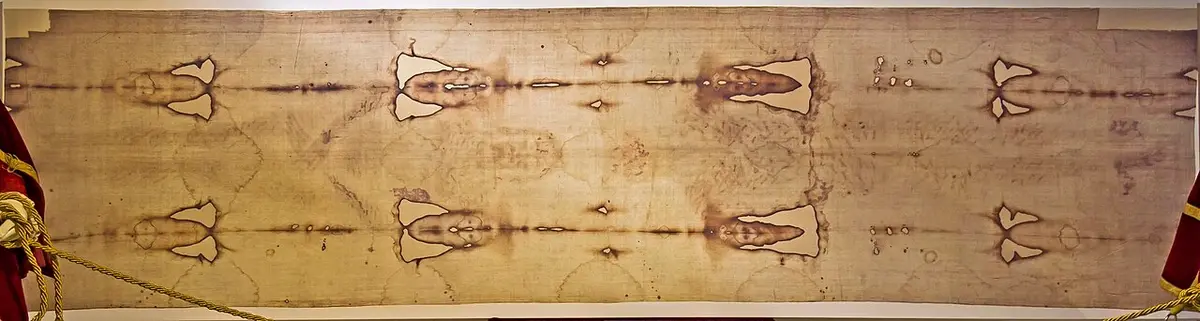
 The Shroud of Turin has been a pilgrimage site for centuries. This linen cloth, measuring over four meters long, bears a faint image of a man—many believe it to be the likeness of Jesus. The faithful are convinced that this is the very cloth that wrapped the Savior’s body after the crucifixion.
An Ancient Voice of Doubt
Recent research uncovered a 14th-century manuscript in which French theologian and philosopher Nicolas Oresme called the shroud a forgery. He wrote that clergy fabricated miracles to elicit donations, and he cited the display of the shroud in a church in Champagne as one such case. This document stands as the earliest known written testimony of skepticism regarding the relic.
The Journey of the Cloth Through the Centuries
The shroud first appeared in 1354 in the French town of Lirey. At that time, the Church condemned it as a forgery. It wasn’t until later that it made its way to Turin, where it has been housed in the Cathedral of Saint John the Baptist since 1578. Attitudes toward the cloth have shifted over the years, ranging from outright denial to recognition of its symbolic value.
Scholarly Debates
In recent decades, the shroud has been the subject of numerous studies. Some researchers argue that the cloth was wrapped around a sculpture and dates back to the Middle Ages. Others point out that the marks on the fabric align closely with the Gospel accounts of Christ’s Passion. Despite countless attempts, science has yet to provide a definitive answer about the origin of the image.
A Mystery That Endures
The discovery of Oresme’s manuscript shows that doubts about the shroud’s authenticity arose as early as the Middle Ages. For some, that confirms its forgery; for others, it suggests the relic has endured the harshest trials and still holds the power to inspire faith.
Debates continue to this day. Regardless of the answer, the Shroud of Turin remains a symbol that inspires some and prompts others to keep searching for the truth.
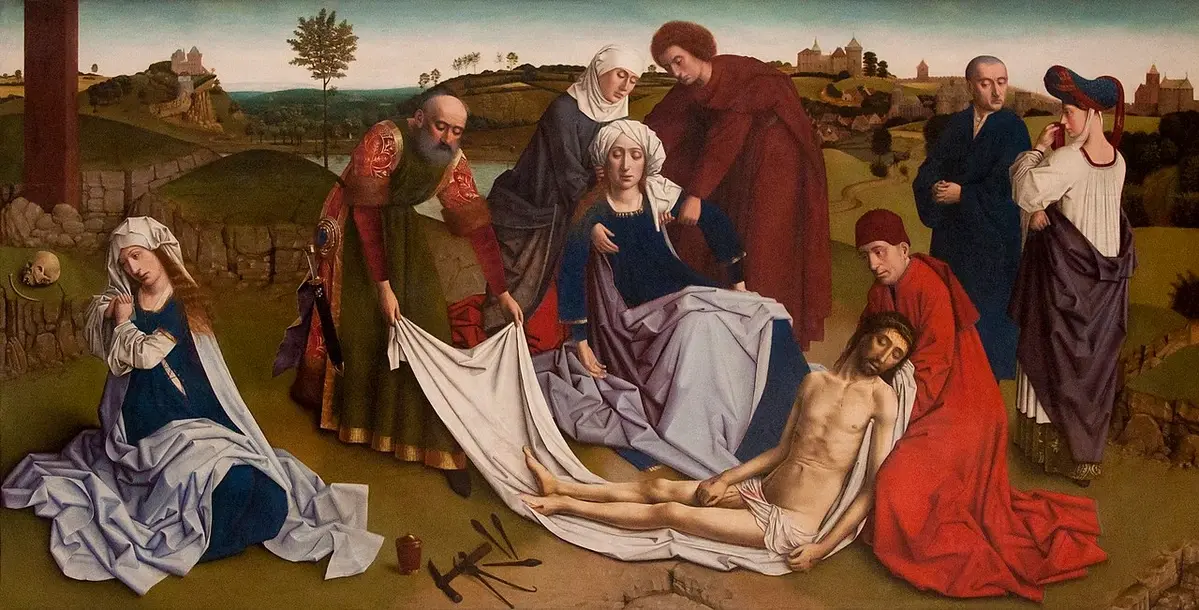
Photo: “The Lamentation of Christ”. Petrus Christus, 1460, wikipedia.org
