
 Gaby
GabyAn international team of researchers analyzed the factors that lead cats to wreak havoc on home interiors and explored ways to curb the behavior. Veterinarians have long thought that trying to stop cats from scratching furniture and wallpaper is pointless. But a veterinary team led by Professor Yasemin Salgirli Demirbas of Ankara University in Turkey challenged that view and developed strategies to correct unwanted scratching.
During the study, veterinarians surveyed 1,211 cat owners from France. Respondents were asked to share details about themselves and about their cats’ daily lives, personalities, routines, and scratching behavior.
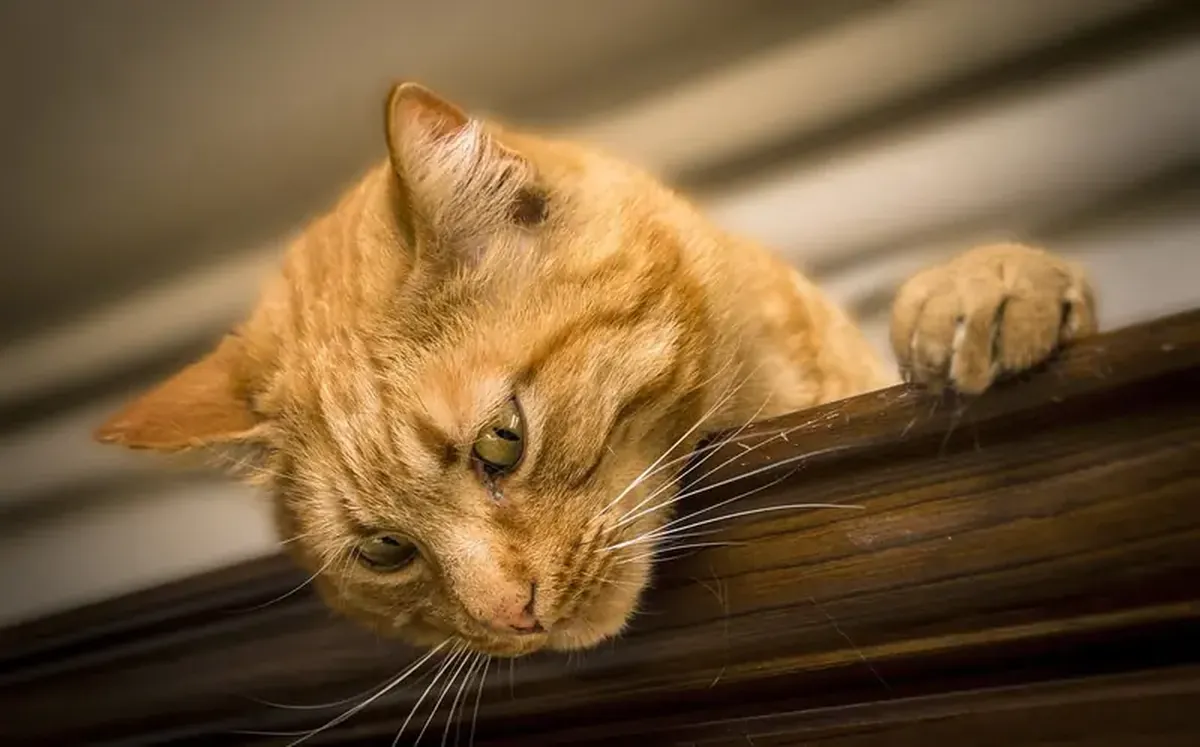
The researchers found a significant connection between scratching and factors such as the presence of children in the home and the animal’s temperament (activity level). They identified stress as a key reason behind cats scratching furniture and wallpaper, according to Science Focus.
“We see a clear link between certain environmental and behavioral factors and increased scratching. This behavior is particularly encouraged by the presence of children in the home, as well as high levels of playfulness and nighttime activity. Cats with more aggressive temperaments are more likely to scratch and disrupt the household,” noted Professor Salgirli Demirbas.

She said the presence of children, especially young ones, can raise stress levels in cats and make them scratch more. Young children often don’t know how to interact with animals and may invade a cat’s personal space. Can scratching be managed? Many cat owners worry about this. The study authors said steps to mitigate the behavior do exist.
The researchers recommended placing scratching posts where the cat spends the most time—near resting spots or next to items the cat already scratches. Using pheromone products, providing safe hiding places, and creating designated observation areas can help reduce a cat’s stress.

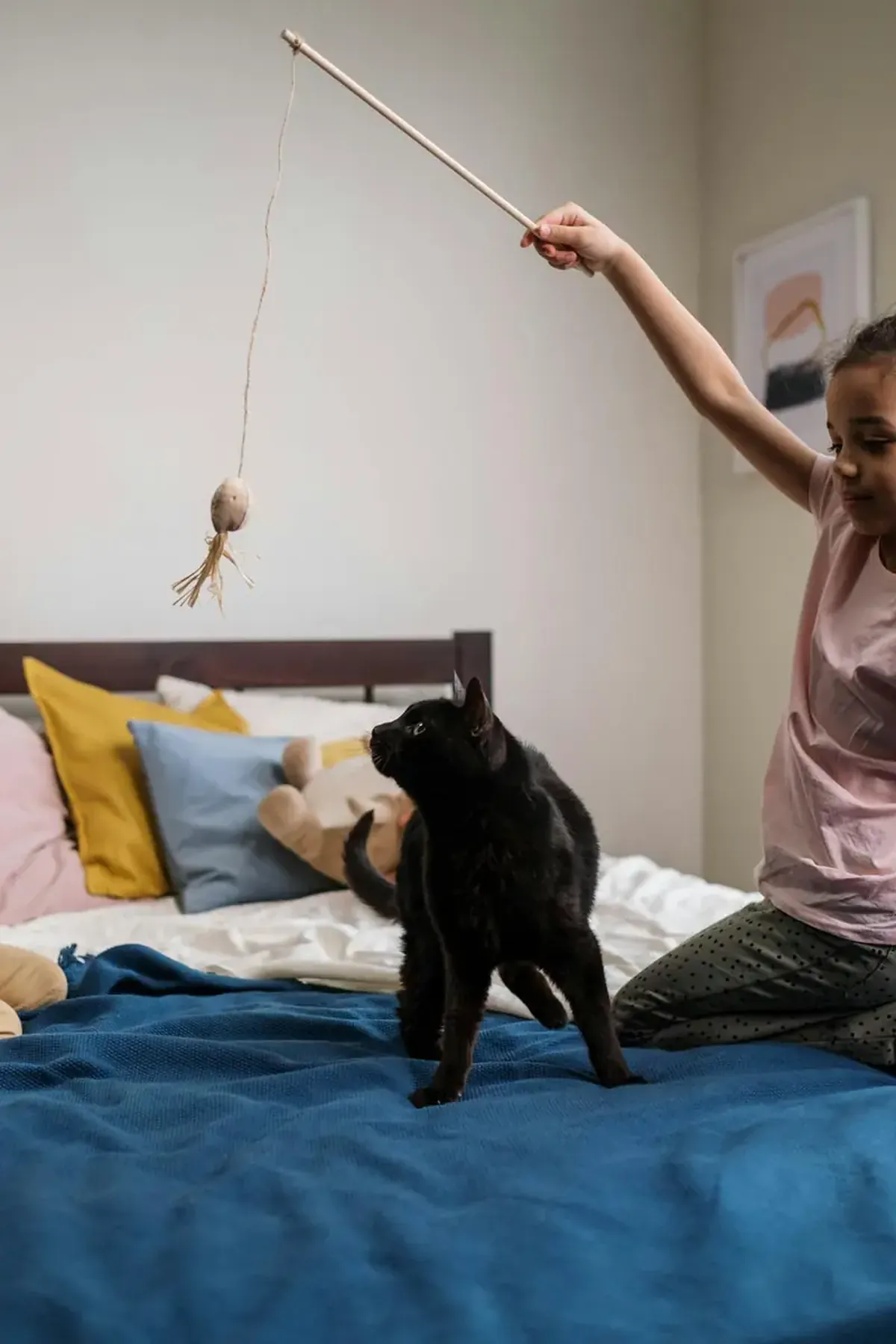
The team also advised organizing short play sessions that mimic successful hunting scenarios. These sessions can redirect a cat’s attention to more constructive activities, relieve stress, and strengthen the bond between cat and owner.
“Our findings can help caregivers manage scratching behavior and create a more harmonious environment for both pets and their owners,” concluded Professor Salgirli Demirbas. The team’s next study will focus on developing more effective strategies for managing pets’ problem behaviors and how those behaviors relate to the presence of children in the home. The results were published in the journal Frontiers in Veterinary Science.
