
 Gaby
Gaby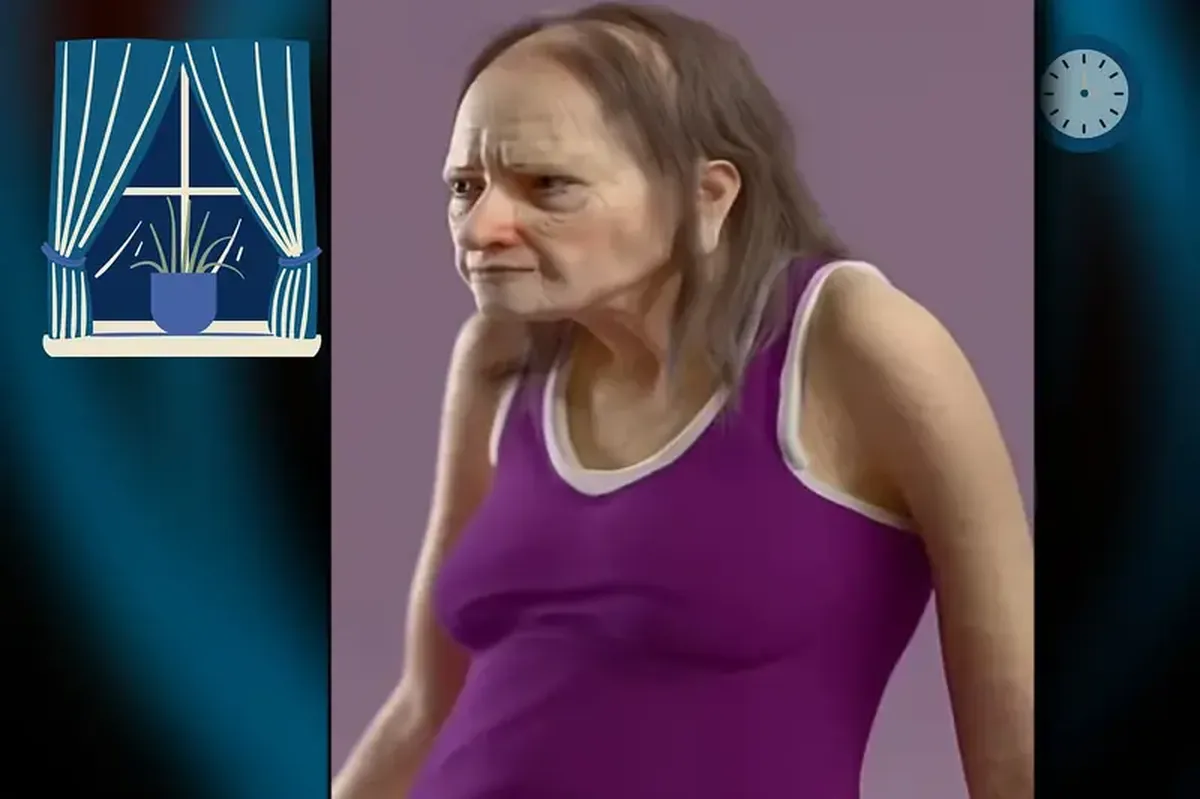
Now we can imagine what people will look like if they don’t start getting enough sleep. Their eyes will be perpetually puffy, their hair will be thinning, and their bellies will be distended. They will suffer from chronic back pain. And that’s just a few details in the portrait of a digital model that scientists have named Hannah.
Hannah was created by a research team from Bensons for Beds and includes sleep expert Sophie Bostock. The model illustrates the alarming changes our bodies undergo when we sleep only six hours a night. This is what people could look like by the middle of this century if they continue to make a habit of skimping on sleep.
The issue is that our current lifestyle and obsession with smartphones, especially at night, are causing people to lose more sleep than ever before.
Typically, scientists recommend that adults get between 7 and 9 hours of sleep. Those who sleep less than 7 hours face numerous health problems. A survey conducted this year found the average Briton sleeps only six hours and 20 minutes a night.
What Happened to Hannah?
Sleep experts are sounding the alarm: if people continue to pay so little attention to their nighttime rest, by 2050 they will encounter a multitude of serious health issues similar to those that plague Hannah.
Hannah’s appearance is based on 19 studies that examined the effects of sleep deprivation on the body. The findings from those studies have appeared in academic journals since 2010.
This digital model represents a 45-year-old British woman from the future who suffers chronic back pain. She shows thinning hair, sagging skin, puffy red bags under her eyes, and swollen legs.
She also shows muscle wasting in her arms and legs. With a weakened immune system, she gets the flu more often, according to the Daily Mail.
Distended Belly
Hannah represents a 45-year-old woman in 2050, which means she is currently 20 and just beginning to damage her health by depriving herself of sleep.
By the time she reaches 45, she will feel too exhausted to exercise. That inactivity will contribute to a noticeable increase in belly size.
Sleep deprivation also affects the hormones leptin and ghrelin, which regulate feelings of hunger and fullness. Without enough sleep, the body lowers leptin levels (the hormone that helps maintain a healthy weight) and raises ghrelin levels (the hormone that stimulates appetite).
Those hormonal changes can explain nighttime snacking and the new fat deposits around her belly.
Memory Decline
Sleep deprivation impacts the hippocampus, a part of the brain that plays a crucial role in forming new memories. During sleep, the brain creates connections that help process and retain new information — a process called consolidation. Sleep creates optimal conditions for that work.
Sleep also increases levels of neurotransmitters, chemical messengers that help neurons communicate with each other.
For Hannah, not getting enough sleep means less time to form those connections, which harms both her short-term and long-term memory.
Bags Under the Eyes and Premature Aging
When we sleep, the body produces collagen, a protein that keeps skin smooth and provides structural support. So when sleep is insufficient, people look more tired and older.
Lack of sleep is also linked to increased production of the stress hormone cortisol, which keeps us alert.
Sleep deprivation leads to puffiness and redness of the eyelids, plus dark circles and wrinkles under the eyes — changes that are also tied to collagen loss.
Swollen Legs
Chronic sleep deprivation can raise cortisol levels, which are linked to serious heart disease. Hannah likely has heart disease that could affect her lifespan. One sign of that is swollen ankles.
Heart disease reduces circulation and can lead to fluid accumulation in the feet, ankles, and shins. Heart failure also lowers the body’s ability to excrete salt, which can cause abnormal swelling.
Back Pain
Not getting enough sleep has left Hannah with chronic back and shoulder pain that keeps her from sleeping.
Sleep deficiency also contributes to muscle atrophy — a loss of muscle mass — because it interferes with the production of hormones involved in muscle growth.
Because of her poor sleep habits, Hannah’s muscles have atrophied, making her arms and legs appear shrunken and weaker.
Hair Loss
Chronic sleep deprivation has led Hannah to develop alopecia, a form of hair loss that can progress to complete baldness. Lack of sleep may impair blood circulation in the scalp, depriving hair follicles of essential nutrients and oxygen.
Don’t Be Like Hannah!
Aim for 7 to 9 hours of sleep each night. Wake up at the same time every day, even on weekends.
Get at least 150 minutes of moderate exercise or 75 minutes of vigorous exercise each week, drink plenty of water, use a comfortable mattress, and spend more time in the sun.
Hannah’s example is meant to make people think, Dr. Bostock says.
“Many of us don’t realize that a chaotic daily routine and lack of sleep disrupt our circadian rhythms,” the expert warned. She added that prolonged sleep deprivation increases the risk of cardiovascular disease, obesity, and type 2 diabetes.
